Which kernel call to me . .?
Last Week – Part One: Drawing is a skill, not a credential for being an artist.
This Week – Part Two: Drawing is also a practice of attention, and that can be valuable to every artist.
In my last post, I made the case that you do not have to know how to draw realistically to call yourself an artist. I still believe that completely.
But that doesn’t mean drawing has nothing to teach us. What if the real value of drawing isn’t the ability to produce a convincing picture of something, but what happens while we try?
Drawing teaches us to look. Not glance. Not identify. Not say, That’s a piece of popcorn and move on. To really look.
When we draw something from observation, we begin to notice things we would otherwise miss—the peculiar edge, the unexpected shadow, the place where one shape disappears behind another. We stop drawing what we know is there and begin drawing what we can actually see.
And that’s useful whether you’re a painter, a fiber artist, a sculptor, an assemblage artist, a photographer—or someone who rarely picks up a pencil at all.
So for Part Two of this little exploration of drawing, I’m not going to talk about perspective or anatomy or how to shade a perfect sphere. I’m going to draw a piece of popcorn. Seriously.
I used to do this exercise with my high-school art students to help them develop their powers of observation. It’s deceptively simple—and that’s part of what makes it work.
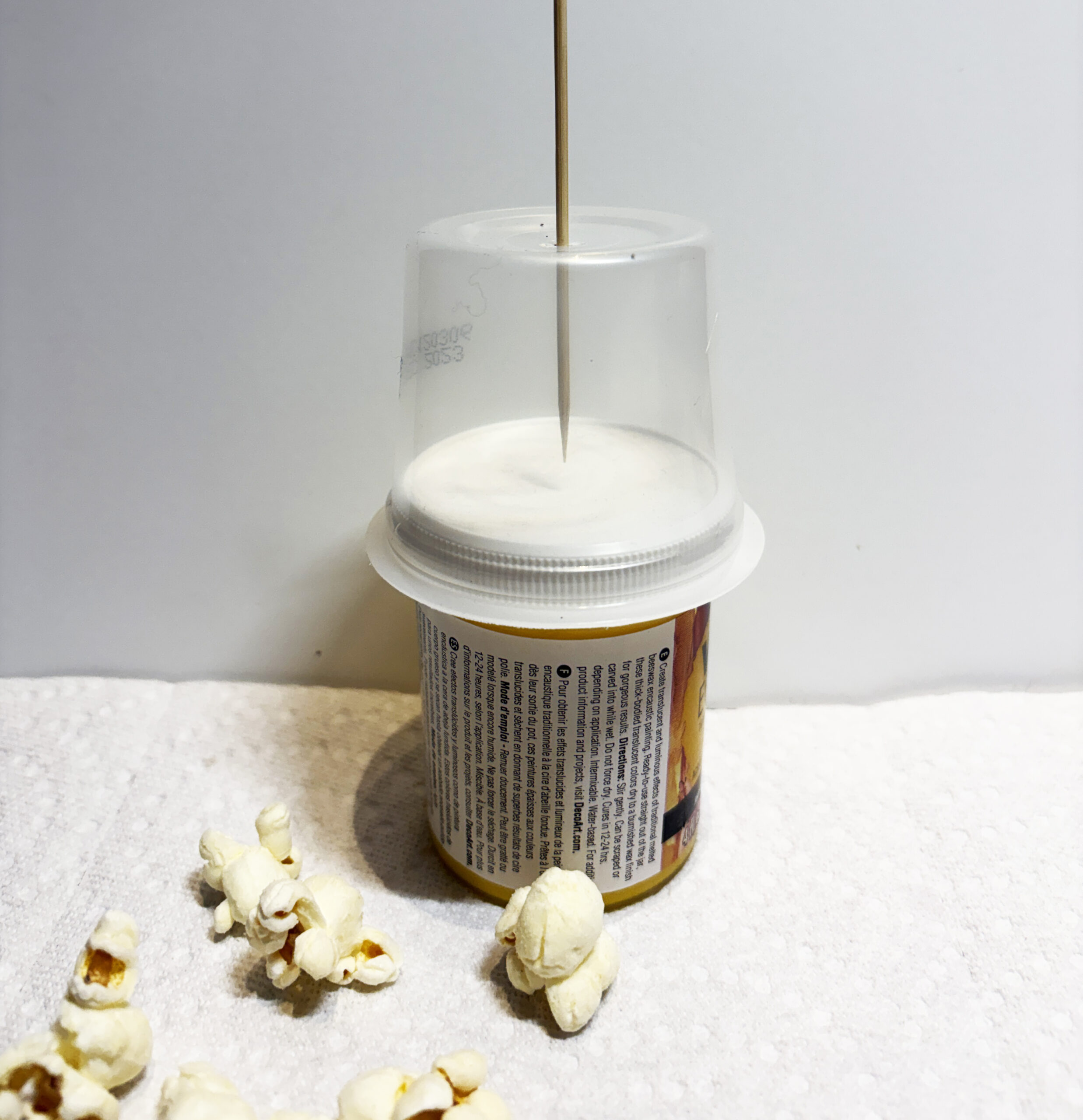
Pop or purchase some popcorn. Choose one kernel. Arrange it in front of you with good lighting. I put mine on a toothpick on top of a plastic cup so I could see it clearly from all sides. Rotate it until you get an interesting view. Get out your sketchbook and a pencil.
Before you draw, look.
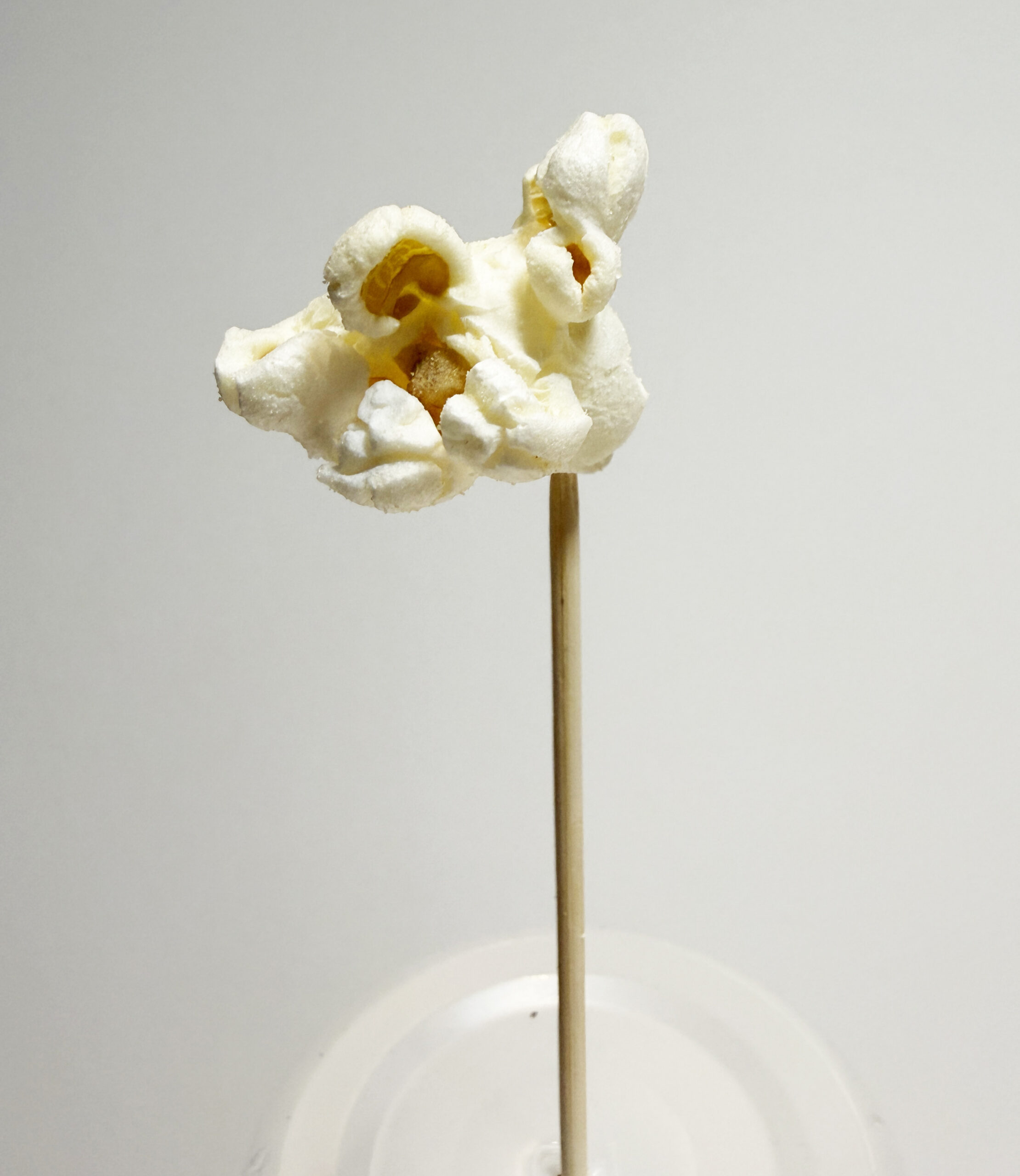
Notice the bulges and folds, the tiny crevices, the unexpected shadows, the strange silhouette. Forget for a moment that you know what popcorn looks like. Then begin to draw—and give this ridiculously ordinary little object your complete attention.
Start at one edge and pretend your pencil is touching the shape as you slowly travel along the contour. Because this time, the drawing isn’t really the point.
The looking is.
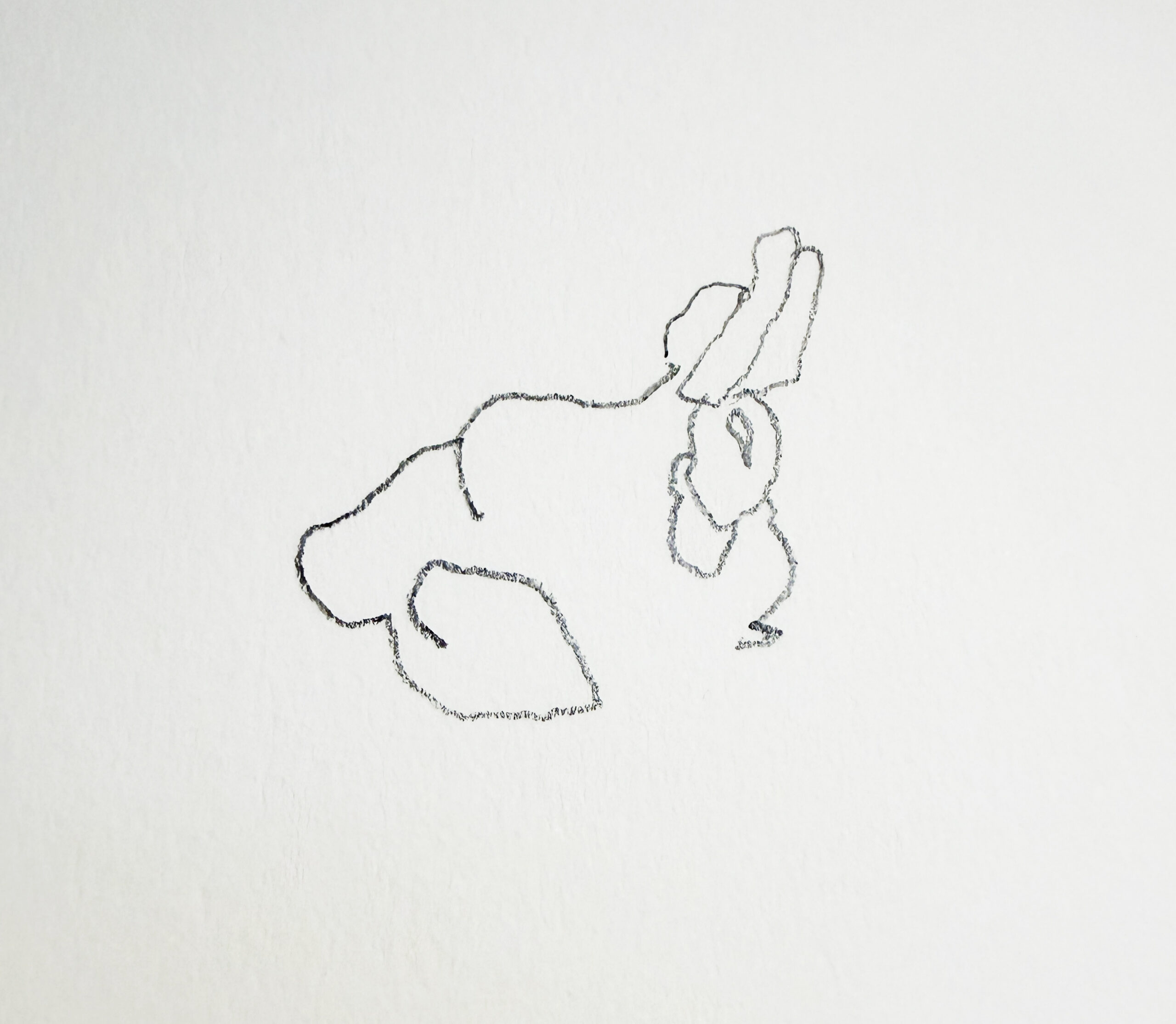
I’ll admit that this kind of slow looking is not particularly natural for me. With ADHD, my attention is usually eager to move on to the next thing—the next idea, the next object, the next possibility. At first, sitting still and studying one piece of popcorn can feel almost absurdly challenging. But something interesting happens after a few minutes. The restlessness begins to settle, curiosity takes over, and I start noticing things I genuinely hadn’t seen before. It doesn’t take long to move from “I’m supposed to be looking” to “Oh! Look at that.”
And nobody will know what your popcorn looked like, so relax. This is for you.
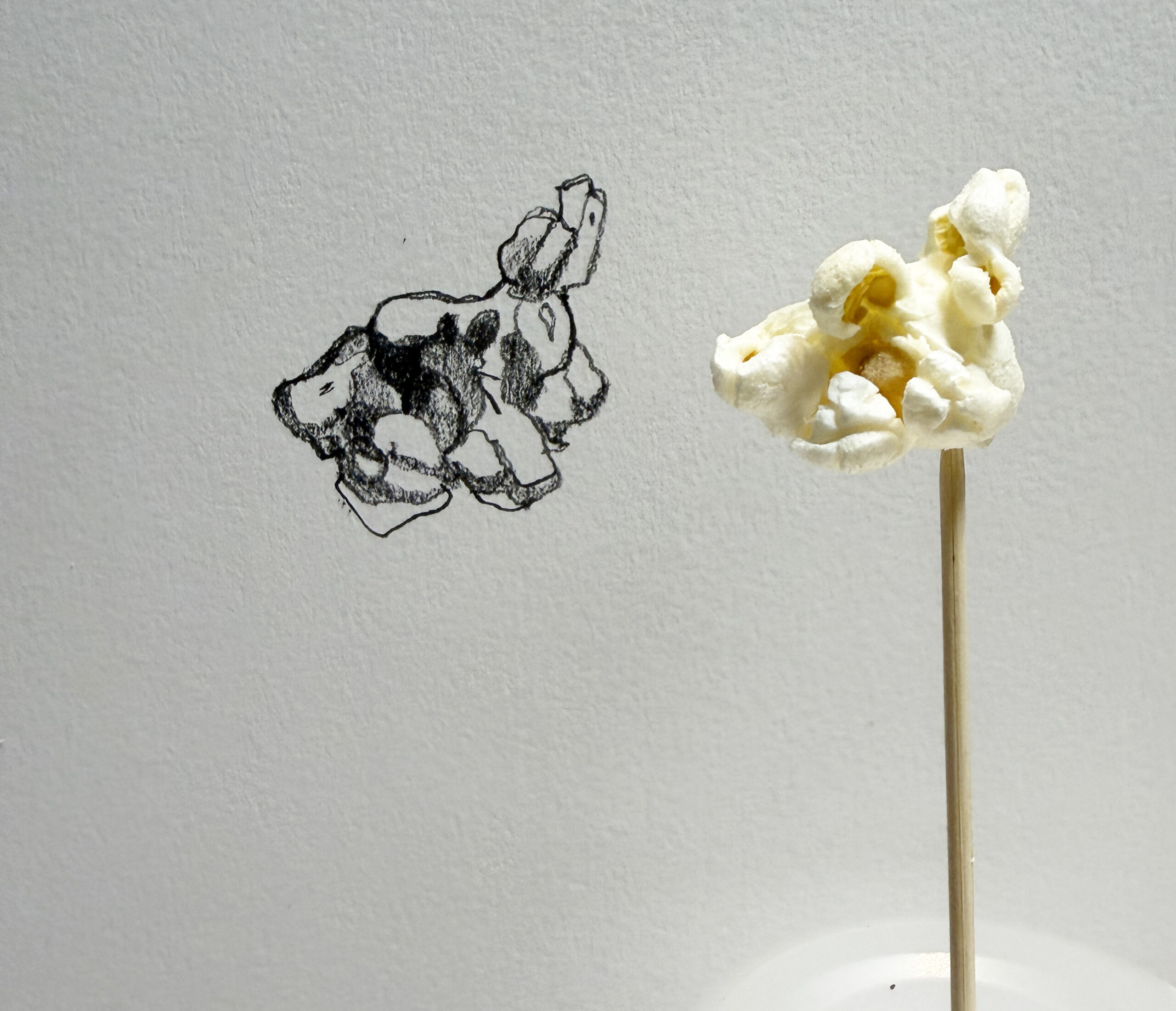
Once you’ve finished your observational drawing, you can stop right there. The exercise has done its job: you slowed down, looked closely, and recorded what you actually saw.
Or you can let the drawing become something else.
Now the question shifts from What do I see? to What does this make me think or feel? Add words, lines, collage, color, symbols—whatever seems to belong. You’re no longer drawing the popcorn. You’re responding to the experience of having drawn it.
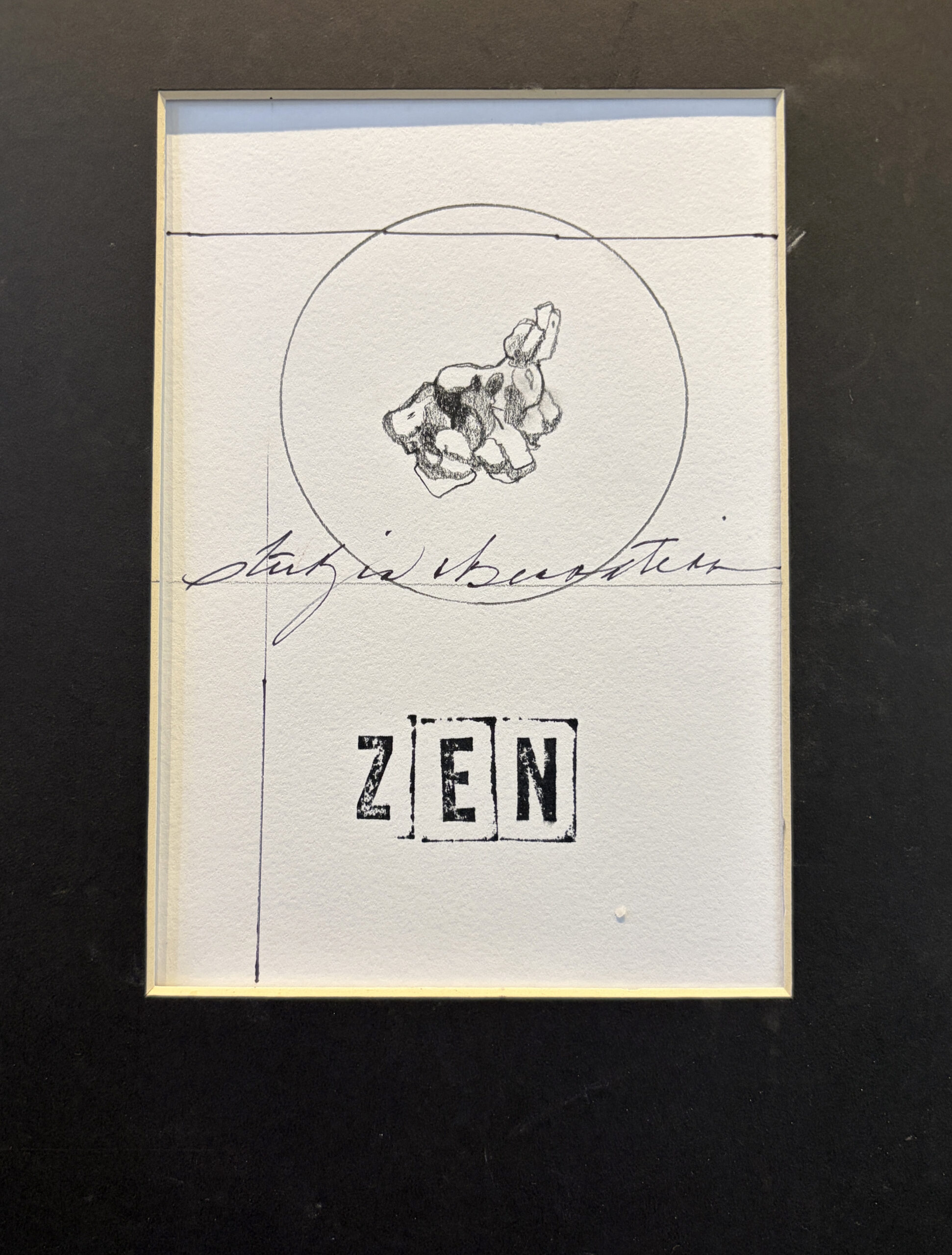
Pop Zen
In mine, I added a circle, a few spare lines, the words “study in observation,” and the stamped word ZEN. Suddenly my little popcorn study became a visual statement about attention—something that is not always easy for me.
Observation gave me the image. Interpretation gave it meaning.
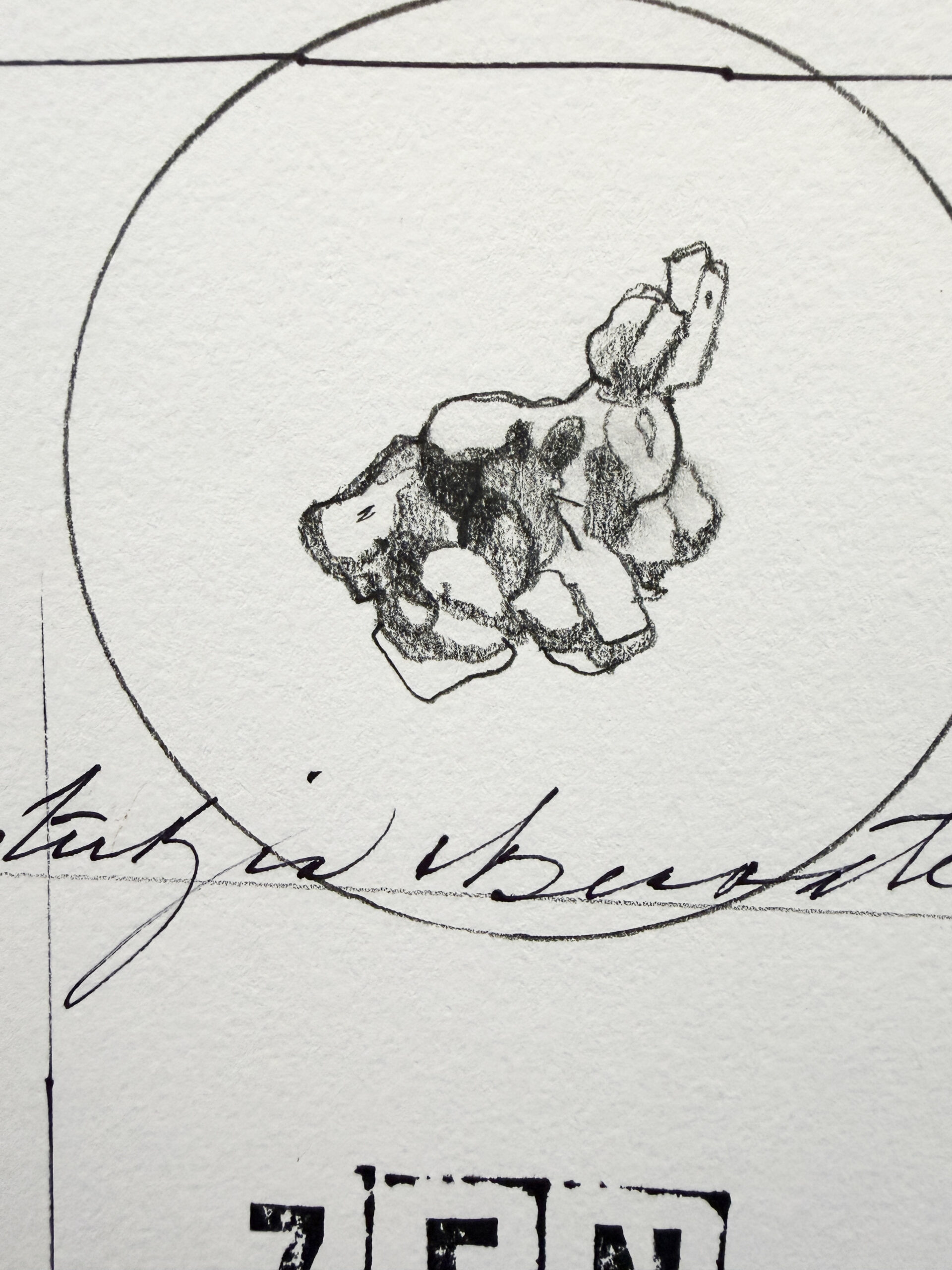
The drawing becomes raw material for expression. Someone could make a very awkward little popcorn drawing and then turn it into an absolutely compelling piece of art.
Which circles all the way back to Part One: being able to draw realistically isn’t what makes you an artist. It’s what you notice, what you choose, and what you do with it.
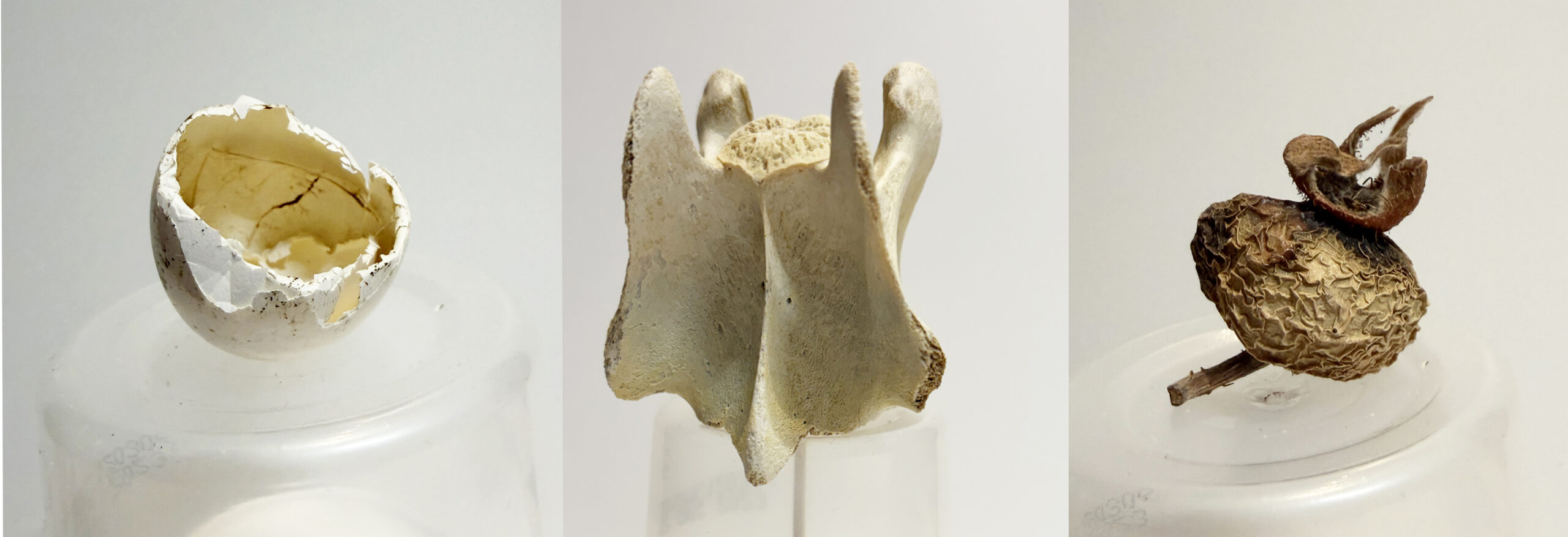
Ate all the popcorn? Try a broken bird egg, a bone, or a baby pomegranate.
If this kind of slow-seeing practice resonates with you, and you’d like to explore drawing not simply as a way to make pictures but as a tool for observation, here are the two books that have helped me most.
The first, The Natural Way to Draw by Kimon Nicolaïdes, was actually my drawing textbook when I was a first-year art major—and I still return to its ideas all these years later. The second, Betty Edwards’ Drawing on the Right Side of the Brain, is another classic, one I’ve relied on for both teaching and learning for many years.
Neither book is really about becoming a virtuoso draftsman. They’re about learning to see—and trusting that the hand can learn to follow where the eye leads.
The Natural Way to Draw — Kimon Nicolaïdes
First published in 1941, this is a classic—and still one of the most thoughtful books about drawing I know. Nicolaïdes treats drawing less as a technique for making accurate pictures and more as a way of developing a deep physical and visual connection with what you are observing. His exercises in contour, gesture, memory, and sustained observation teach you to experience what you’re looking at rather than simply copy it. It requires patience and practice, but that’s precisely its gift.
Drawing on the Right Side of the Brain — Betty Edwards
Betty Edwards approaches drawing from a different direction: she teaches us how to get past the symbols our brains use as shorthand—eye, hand, chair, face—and begin seeing the actual shapes, angles, spaces, proportions, and relationships in front of us. Exercises involving contour drawing, negative space, and turning images upside down can produce almost startling changes in the way beginners draw. Whether or not you embrace the book’s original “right brain/left brain” explanation literally, its central lesson remains enormously useful: drawing changes when we stop drawing what we think we know and start drawing what we actually see.
___________________________________
Before I leave, I know you’re all dying to know if I ate the popcorn kernel when I was finished drawing it.
I couldn’t bring myself to do it.
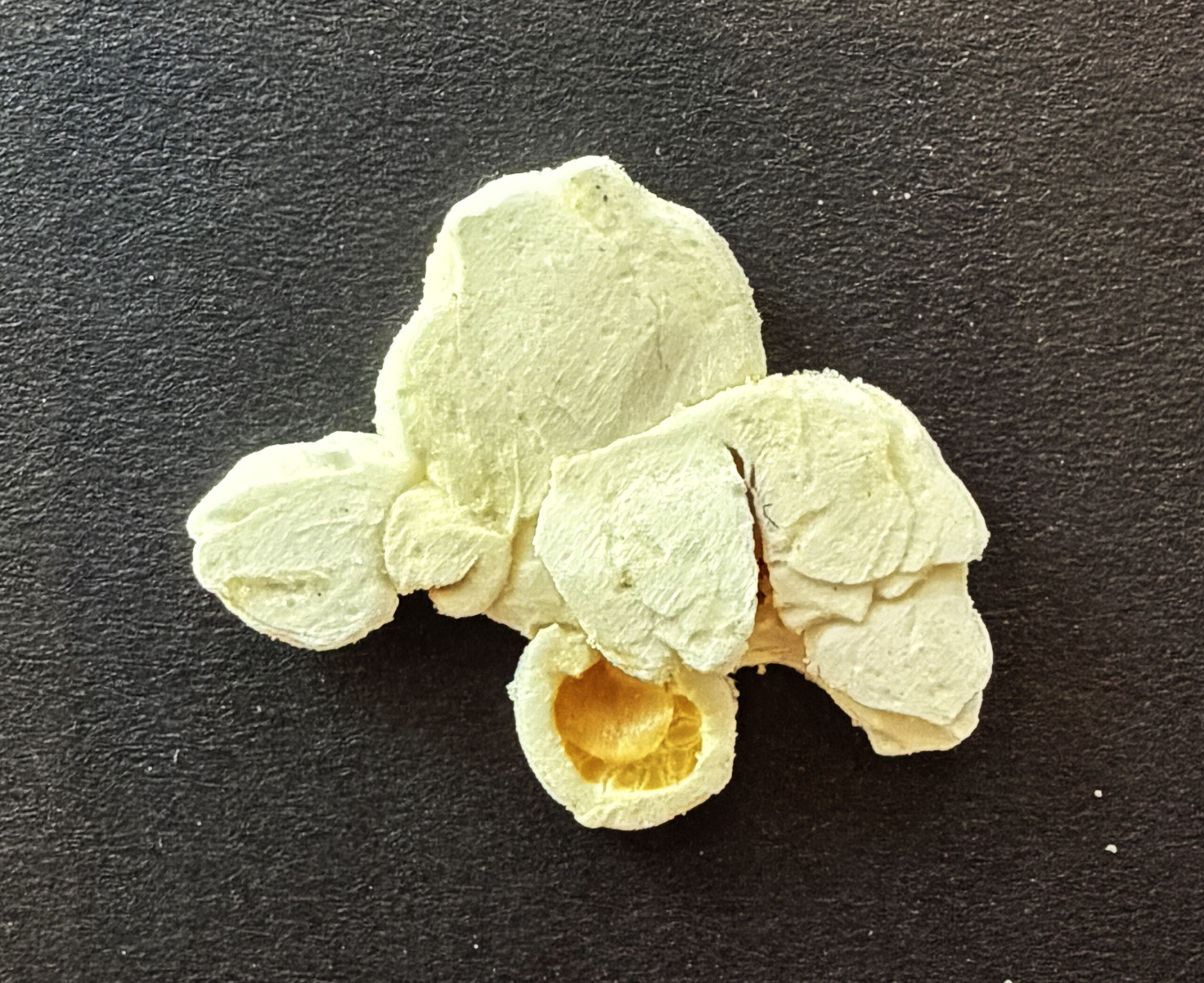
After spending all that time looking at it, it somehow didn’t seem like just a piece of popcorn anymore.
So I pressed it between the pages of a book, like a flower, and I’m going to find a secret place for it in my next Object of Devotion assemblage.
Thanks for reading!
Lyn