Faces and More!

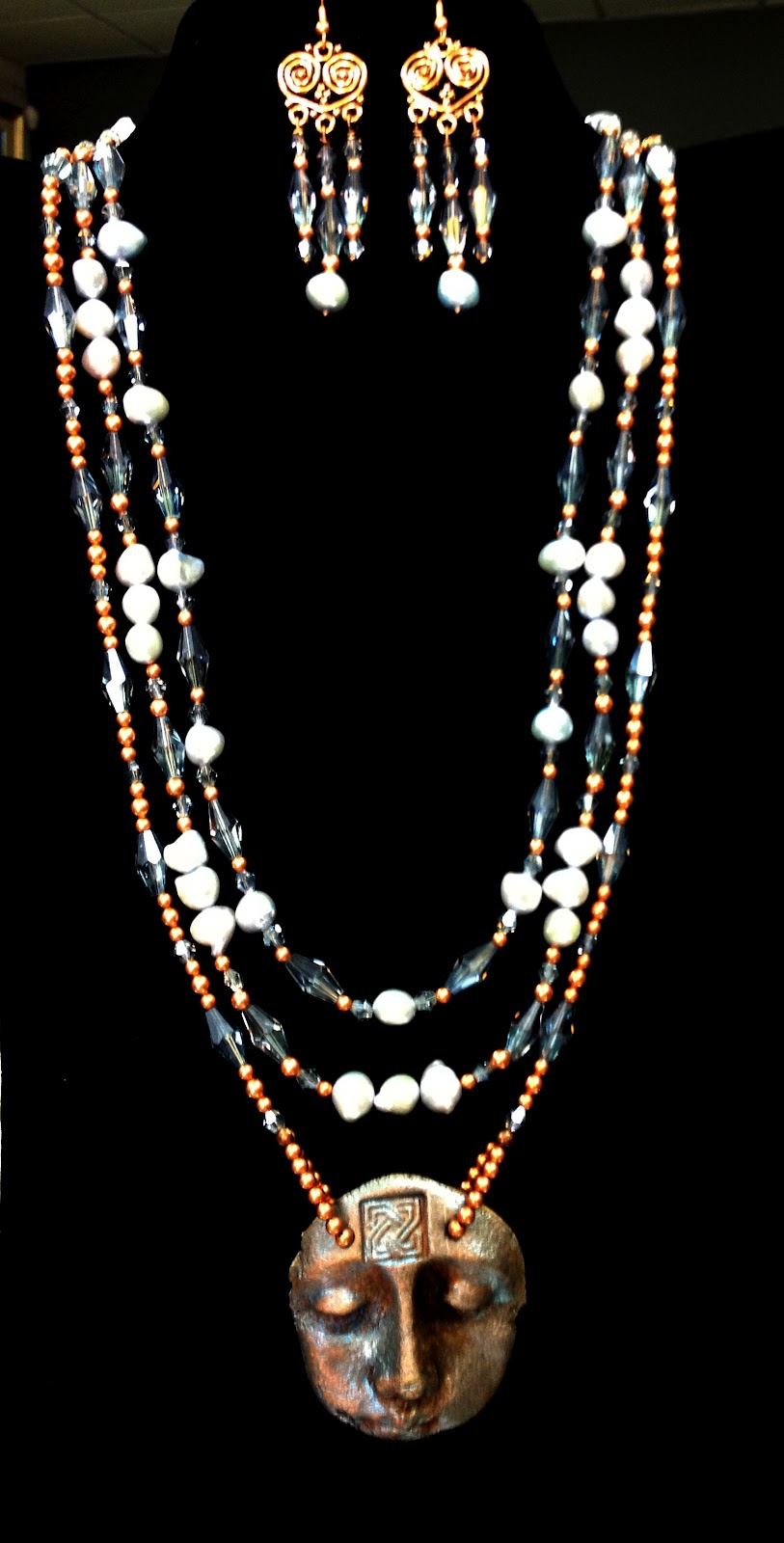
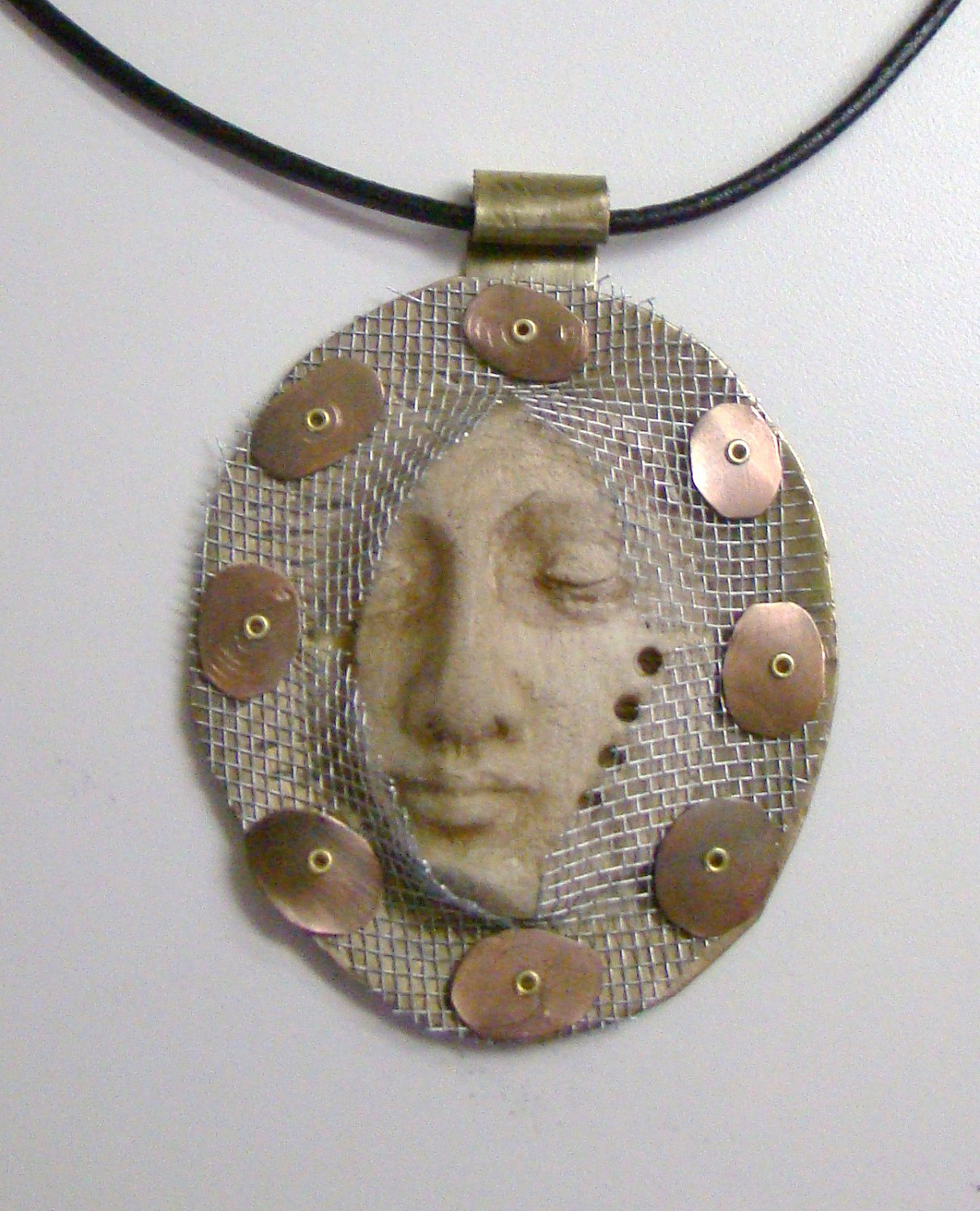
Look at this totally original use of one of my shard faces from Linda Moody – she and her sister make my work look good! Thanks for the photo, Linda – this is wonderful. I love the industrial look of the screen and rivets with the softness of the face.

Kathleen Sommers and Shards

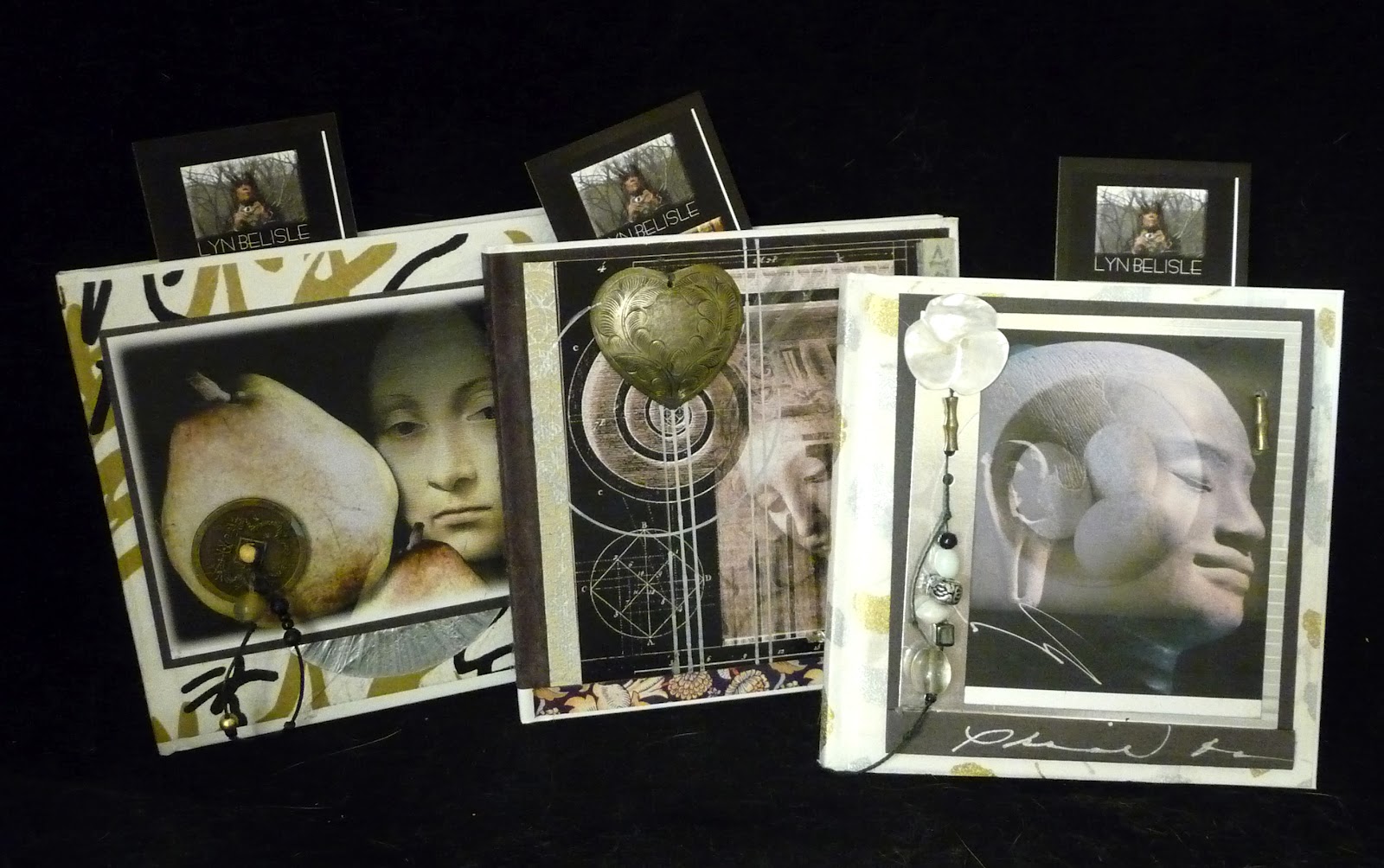
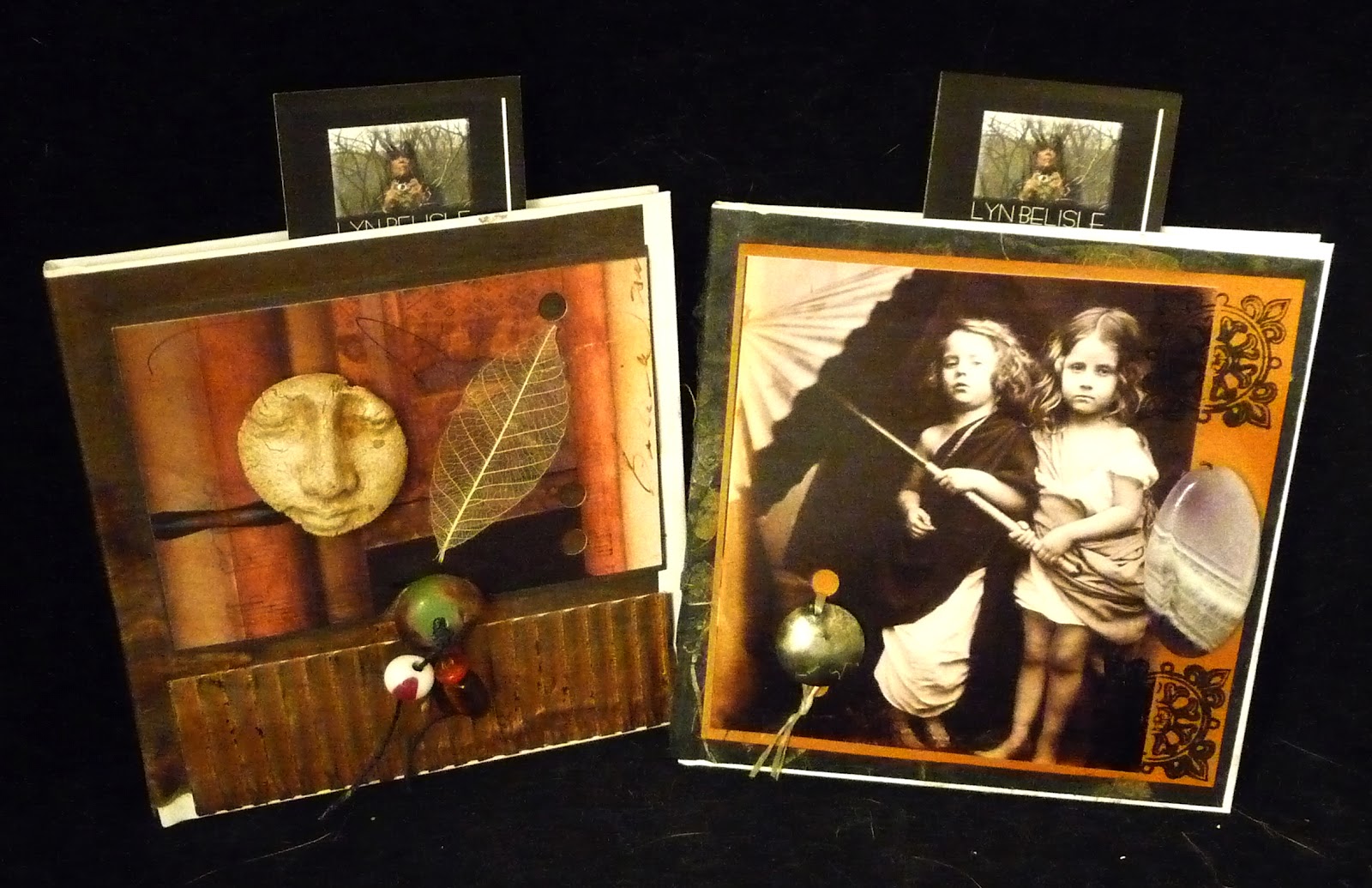
Kathleen Sommers, the best-known upscale clothing boutique in the city, had a call-out invitation for artists and designers to bring in their work for possible inclusion at the shop. I took some Scent Shards, some pins and some day books (see below). They really liked the work! Kathleen bought a piece for herself and then ordered some Scent Shards immediately and will be selling the day books in this fall. Best of all, I’ve been invited to participate in a five-artist exhibit and sale there in September. I am so excited!! Scent Shards are movin’ on up to the top 🙂

More ShardFace Creativity!

Another great piece using one of my shard faces, this one from Cindy in Elgin, Il – I love the simplicity of this and the way the little face floats at an angle, kind of like a moon goddess. Thanks, Cindy! Lovely work.

What fun!

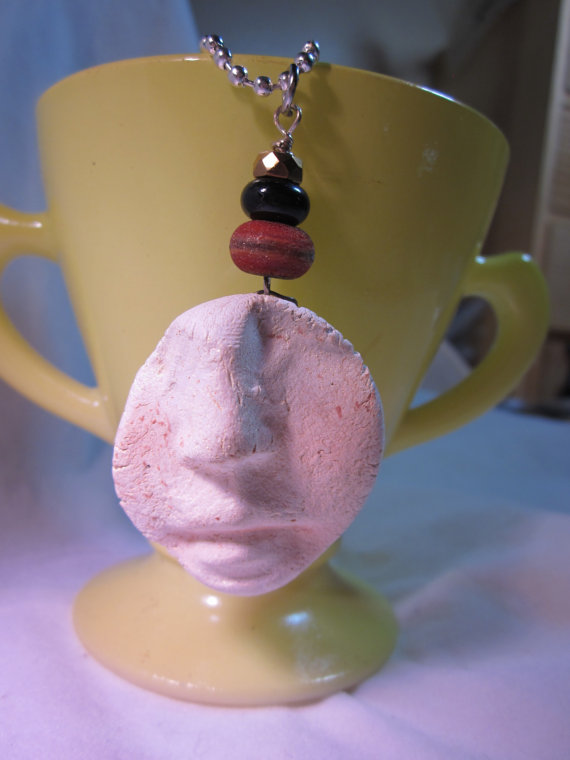
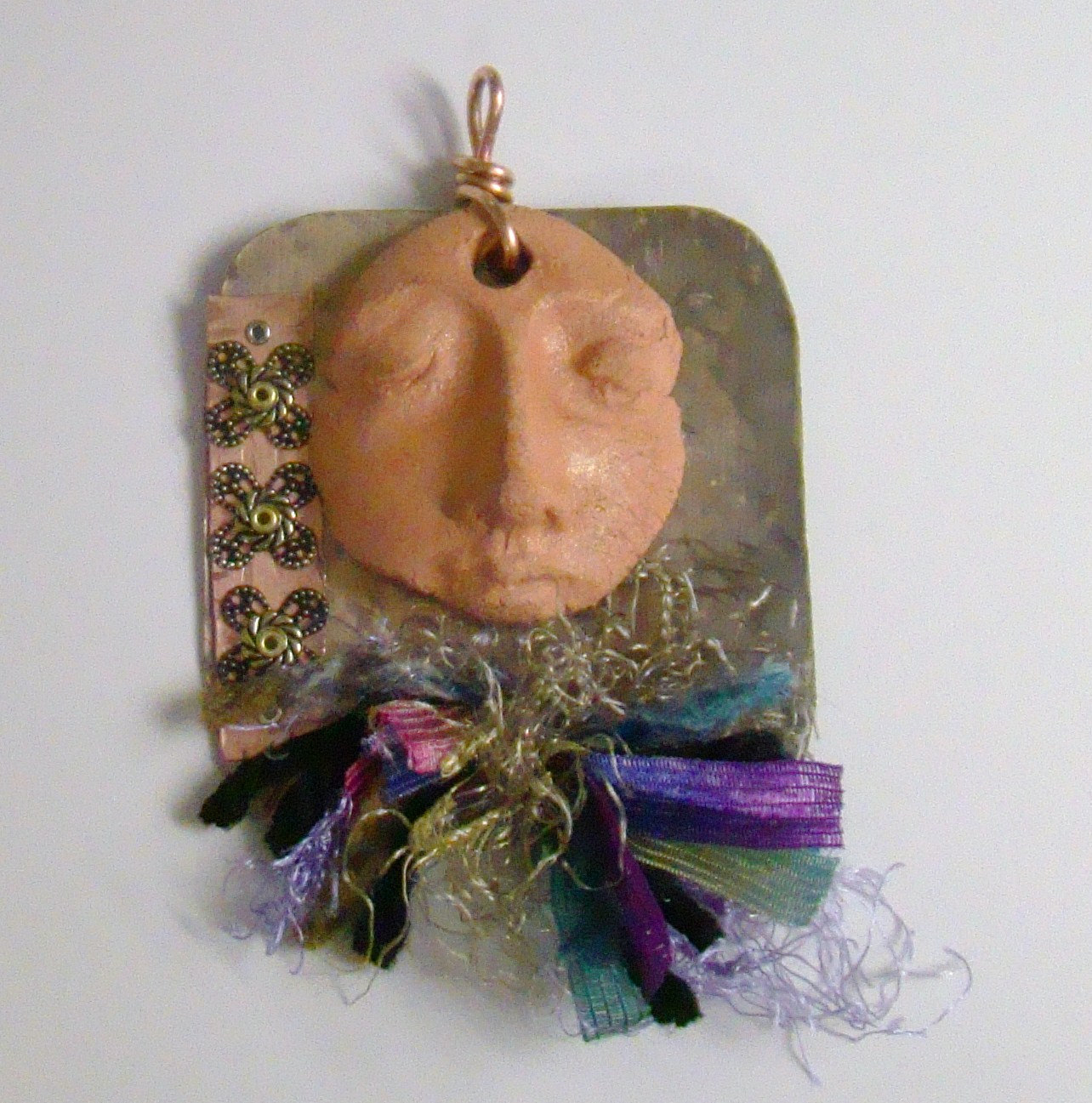
I opened my new shop on Etsy a month or so ago (EarthShards) and already I love it because I’m offering the little shard faces to other artists and crafters. I received my first example today of one of my shard faces put to creative use! Look!
The little copper wire loop at the top is great – I like the whimsy and the colors. Many thanks to
Linda Moody from NeeNeeandCheeChee for sending the pic. Be sure and take a look at her other creations in her Etsy gallery. Thanks, Linda – this is great.

Continuing . . .

I made contact yesterday with Dr. Ellen Baird, an art historian who answered my email with amazing promptness and with much excellent information about the Otomi books and Sr. Tellez. She wrote:
“I also have a book by Sr. Tellez that we included in an exhibit that I co-curated on the Aztecs and the Making of Colonial Mexico at the Newberry Library here in Chicago (http://publications.newberry.org/aztecs/). 
She went on to tell me about her contacts with other scholars who have researched this somewhat obscure area of folk art. The research is almost as much fun as the collages!
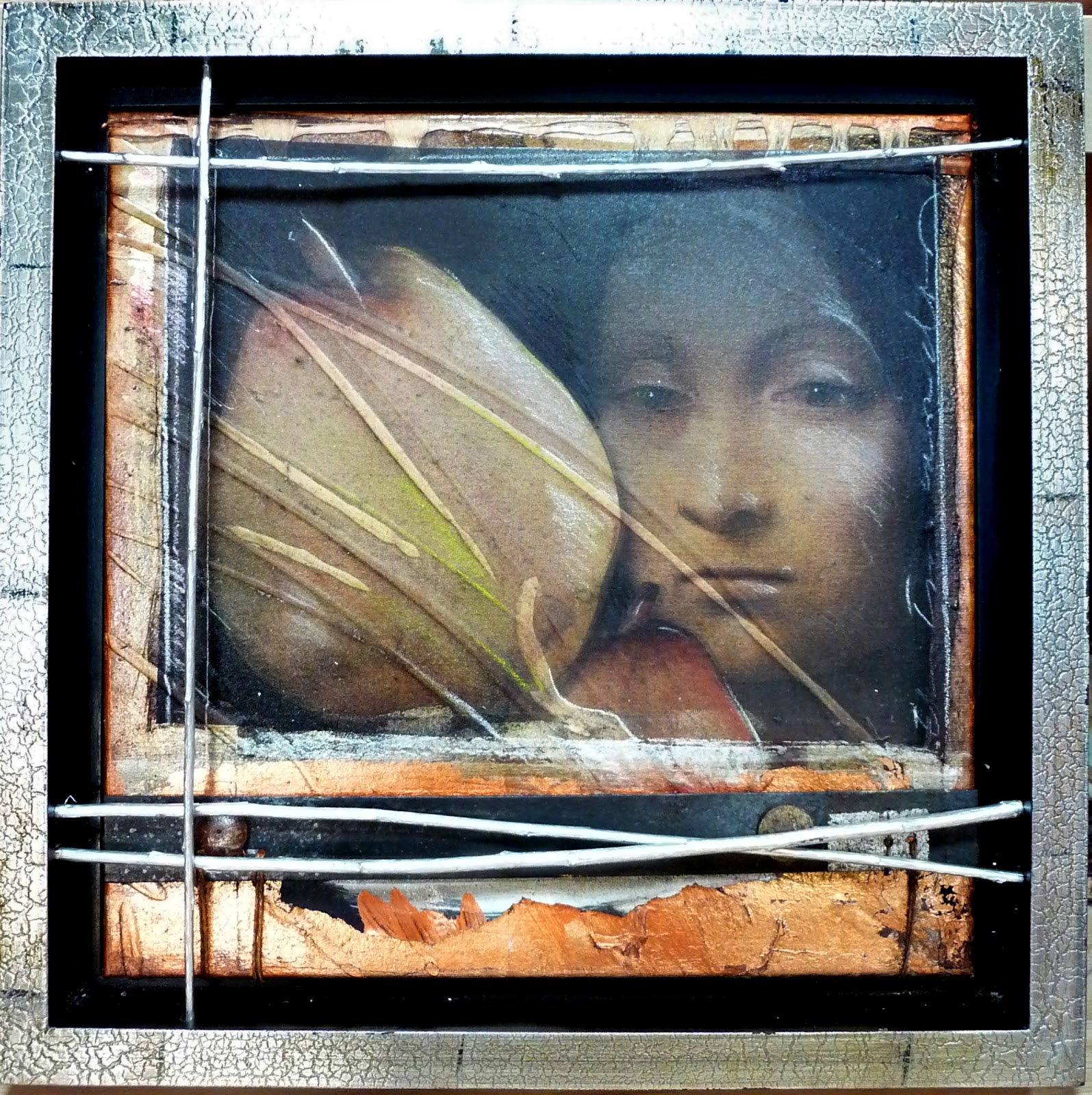
Here’s the newest one in the series.  She represents an offering to the Sirena Mala, the Bad Mermaid.


 This is one of the pages I just scanned in from Sr. Tellez’s book – I think it’s going to be my next collage – not too subtle? It’s amazing what spells and emotions can be conveyed with cutout bark paper.


Progress on the series

The more I explore this subject, the more complex it becomes. My friend, historian and scholar Dora Guerra, is translating the Spanish descriptions of the paper spirits in the little book into English for me. It was written by a curandero from San Pablito in the early ’70s. Here are the first three pieces in the series. At this point, I plan to do seven more.

Encanto No. 7 Sr. De Nagual.

First small construction in a new series based on Otomi cutout figure books – these are charms (encantos) based on the properties in the spirits represented in the cutouts. This piece is an encanto for the Nagual figure. Naguales are humans who can turn themselves into birdlike creatures. The Nagual often flies through the night, looking for newborn babies. Blood sucked from babies and weakened individuals constitute the Nagual’s diet. Often believed to be distant in-laws or family members attacking their kin, Naguales are viewed as being negative to family reproduction.

Otomi Cutout Figurines

Notes from the Missouri Museum of Anthropology
The Otomi Indians live in San Pablito, a city in the east-central Mexican plateau of Sierra de Puebla. Traditionally, the Otomi have relied on agriculture as their means of survival. As a result, many of their religious beliefs and practices involve the spirits found in seeds, crop plants, and ecological forces such as rain and sun. These spirits embody certain qualities that not only must be respected but also are used by the Otomi to pass on societal values.
Intricate paper cutouts are made of these spirits by folding a piece of amate paper in half, rendering a symmetrical figurine. Amate is made by stripping the inner bark from certain trees, then processing it into paper. The figurines are then used by religious leaders in rituals and offerings performed to control the spirits represented in the cutouts. The rituals are usually performed to cure and prevent disease or to ensure crop fertility and the health of domestic animals. More importantly, the cutouts show how the Otomi view the world and their place within it.
This exhibit presents examples of different varieties of Otomi cutout figurines from the Museum’s ethnographic collections. These items, which date to the late 1970s, were collected and donated by Dr. Alan R. Sandstrom, coordinator of the Indiana University/Purdue University anthropology program. Much of the content of this online exhibit is based on Dr. Sandstrom’s research and writings about the Otomi.
Kinship Figures: The Otomi depend on their kin groups for survival; thus kinship is an important part of Otomi life. A variety of cutout figurines reflects the importance of familial relationships.
Fertility Figures: Fertility and success of yearly crops are key to Otomi survival. Figurines representing seed spirits show the importance of agriculture as well as the benefits that come from nature.
Nature Figures: Figurines in this category represent the spirits of the forces of nature. As the Otomi rely on crop success for survival, these spirits remind the Otomi that their livelihood is at the mercy of nature.
Anti-Culture Figures: Figurines in the Anti-Culture category represent spirits that go against the basic values and beliefs of Otomi culture.
Intermediary Figures: The figurines in this category represent spirits that act as messengers between the human and spirit worlds.

From my own book of Otomi Cutouts:

Open Studio Success!

Thanks to all who came to the Open Studio event this afternoon. It exceeded our hopes and was more fun that any one of us could have had showing by ourselves. One man who attended said that the synthesis of our various kinds of work was a perfect match – I agree, and am so happy to have shared the afternoon with women friends whose art I have admired for a very long time! Let’s do it again 🙂

Open Studio Today

. . . .and I am nervous. Fortunately, my friend Jennifer just send me a video about the power of words, so I’ll take this lesson to heart and think positively. This is a wonderful little clip:

Choose me . . where does *that* come from?

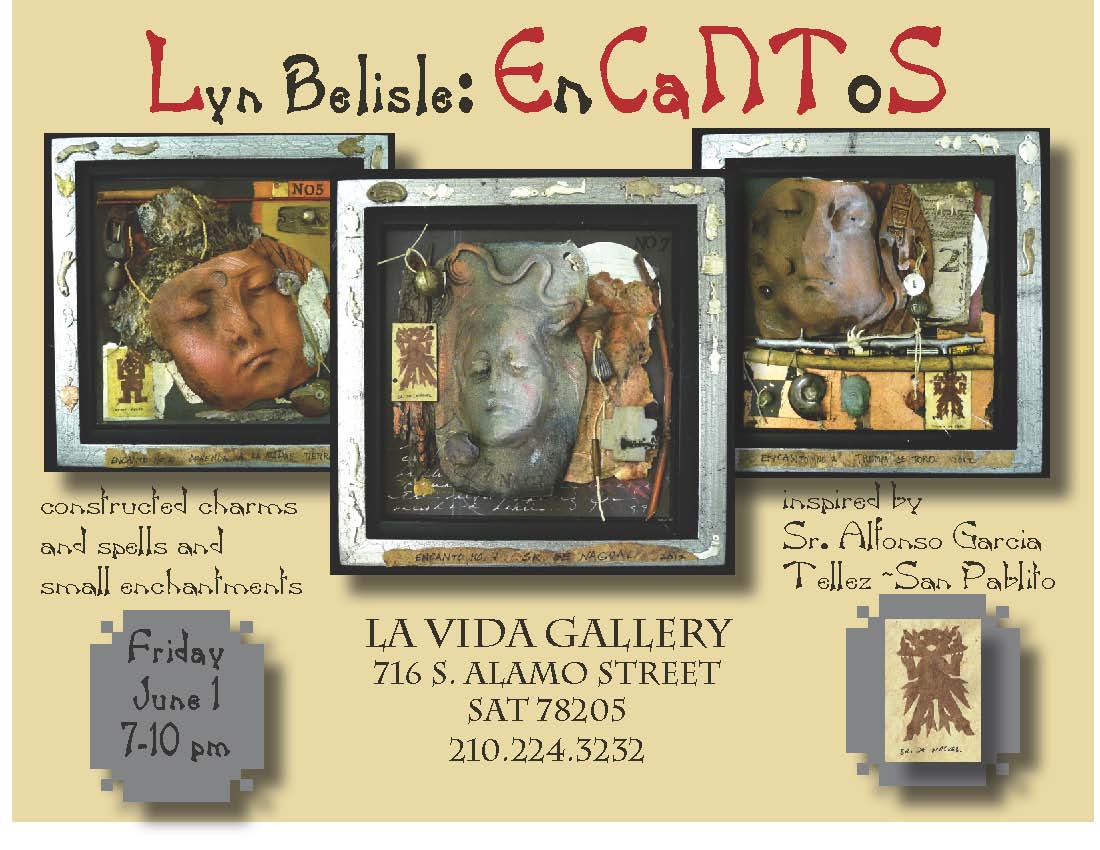
There’s nothing like unloading the kiln to start a flood of new inspirations. As I was stacking pieces, a small face and a little tile said, “Choose us!” It was almost that clear – and always right on. There was a small canvas nearby that I had been experimenting with, so I arranged the pieces on it and voila! A mini-Klimt, a new idea for a series of small framed wall pieces. It will need extending and expanding with consistent color and texture, but not much These would be perfect for my show at LaVida Gallery in June. Dang, art is fun when you listen to it.

Pieces from the kiln (below) – some for open studio on Sunday
Â