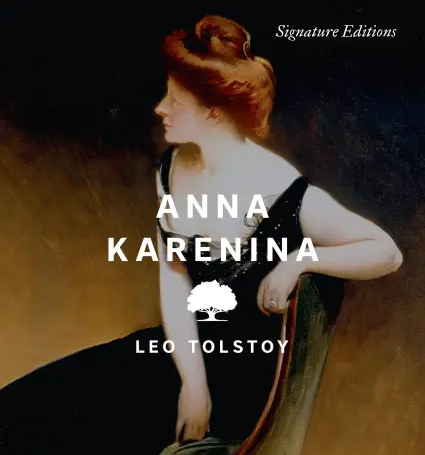
I remember being assigned Anna Karenina in college. Before I had even begun the novel, I read an introduction that described the story as unfolding from the moment Anna meets Count Vronsky until she throws herself under a freight train.
I was appalled.
Why would anyone tell me that before I had read the first page? I knew Anna Karenina was a great novel, and it was. But the knowledge of Anna’s fate accompanied me through the entire book. Every decision seemed shadowed by the railway tracks waiting at the end. Every moment of happiness felt temporary. I wasn’t simply reading about a woman’s life and choices; I was watching her move toward an ending I already knew.
It made me wonder: Do you want to know the end of a story before you begin?
Some people do. I know readers who turn to the last few pages of a novel before committing themselves to the rest. They don’t necessarily want every detail, but they want reassurance. Does the beloved character survive? Are the mysteries resolved? Will this story break my heart?
Knowing the ending can make the journey feel safer. It removes some of the anxiety of uncertainty. But it also changes the way we experience everything that leads us there.
And perhaps this is true of making art as well.
What if, just as you picked up the brush, threaded the needle, rolled out the clay, or selected the first fragment for a collage, you could magically see exactly what the finished artwork would look like?
Would that vision give you confidence? Would you work more freely because you knew the piece would turn out well? Would you avoid the false starts, awkward stages, and moments when you are certain you have ruined everything?
I can imagine the appeal. If I could see the finished work before I began, I might be less afraid of failure—but I might also lose the pleasure of discovery.
Once the ending was known, making the artwork might become a matter of following instructions. Put this color here. Attach that object there. Remove this shape. Add that line. Instead of entering into a conversation with the materials, I would simply be carrying out a plan.
Of course, artists plan all the time. We sketch, make samples, audition materials, choose palettes, and think about composition. We often begin with an image in mind. Planning gives us a place to start, and sometimes it prevents expensive or discouraging mistakes.
But the imagined artwork is not the same as the artwork that eventually appears.
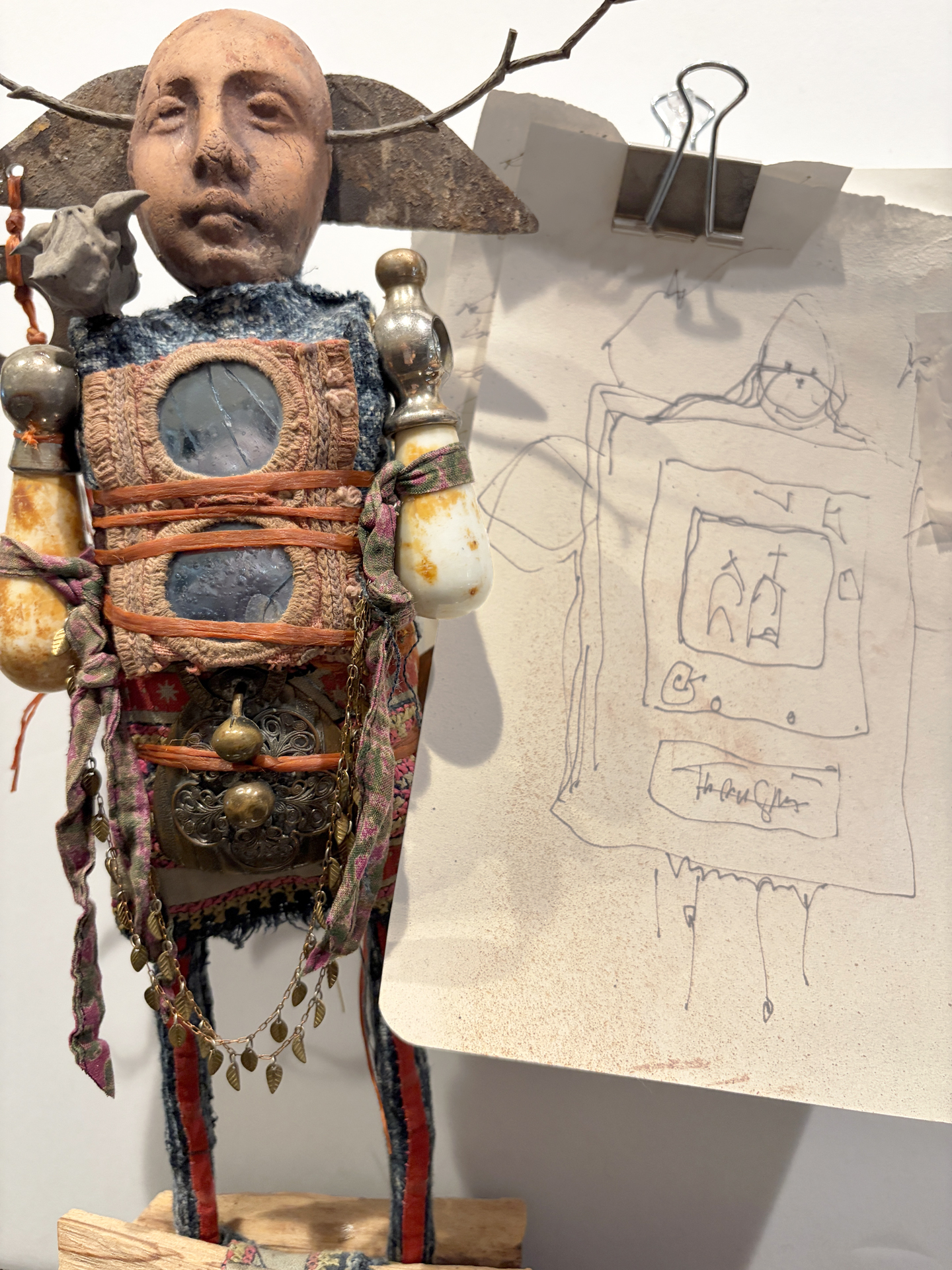
The work changes as we make it, and if we are paying attention, it changes us as well. We begin with one question and discover that we have been asking another. We think the piece is about memory and realize it is about forgiveness. We set out to make something beautiful and find ourselves making something honest instead.
When I think back to Anna Karenina, I realize that knowing Anna’s fate did not tell me everything. It told me what happened, but not what the story meant. Meaning emerged through the journey—through all the complications, contradictions, and human choices that could not be reduced to a single sentence in a preface.
Maybe art works in much the same way. Even if we could see the final image before beginning, we would not yet know what it meant to make it. Still, I think I would rather not see it. I would rather begin with an intention, a handful of materials, and enough uncertainty to leave the door open.
Perhaps we do not need to know the ending. Perhaps we need only enough of a glimpse to take the first step—and enough curiosity to let the work surprise us.
(And apologies if you always wanted to read Anna Karenina and didn’t want to know in advance that she gets run over by a train). Sigh.