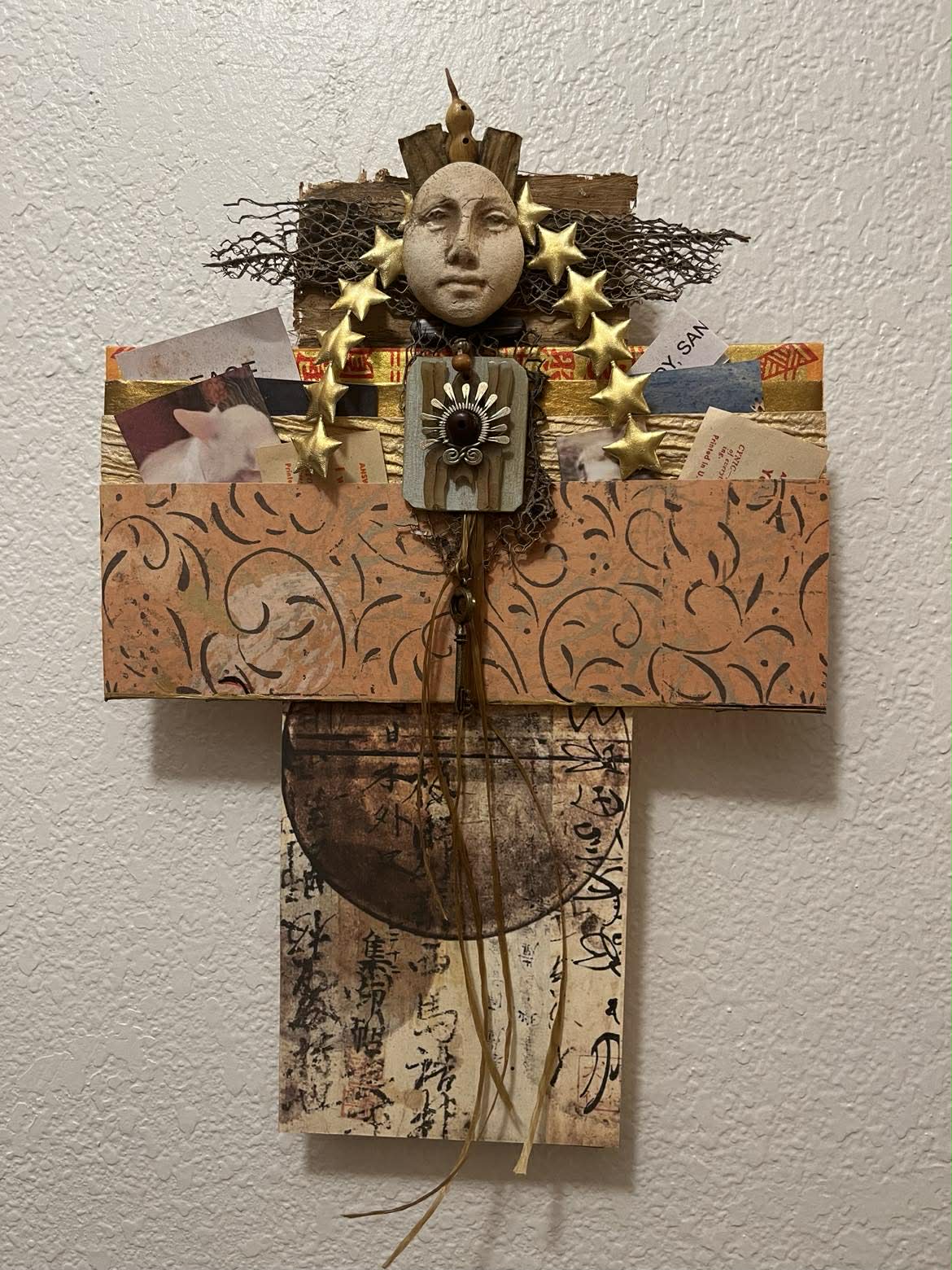
The Keeper of Fragments by Chaska Peacock. She wrote, “Oh, and I wanted to tell you about the stars. 15 or so years ago I met with a shaman while in Peru. He named me “Chaska” which means “star” in the Quetchan language.which is still spoken in Peru by the elders. I felt intimidated, but gradually rose to the name.”
Conversations about The Keeper of Fragments, the first workshop in the Objects of Devotion series, continue to intrigue and inspire me. Here’s a wonderful one:
“I love how you just use your papers, etc. without feeling it is too precious to use and possibly hide or be in a layer that doesn’t necessarily show it fully. I have the worst time doing this. I seem to see every piece of paper or ephemera as needing it to be seen, so I hesitate to use it for fear of it getting lost. Any tips for how to overcome this?”
This question got my complete attention—not because I don’t understand it, but because I understand it completely. What we feel is not hesitation.
It’s care.
We are recognizing the beauty and value in the materials themselves. And that’s a wonderful place to begin.
But here’s the turning point: When everything feels precious, nothing can move.
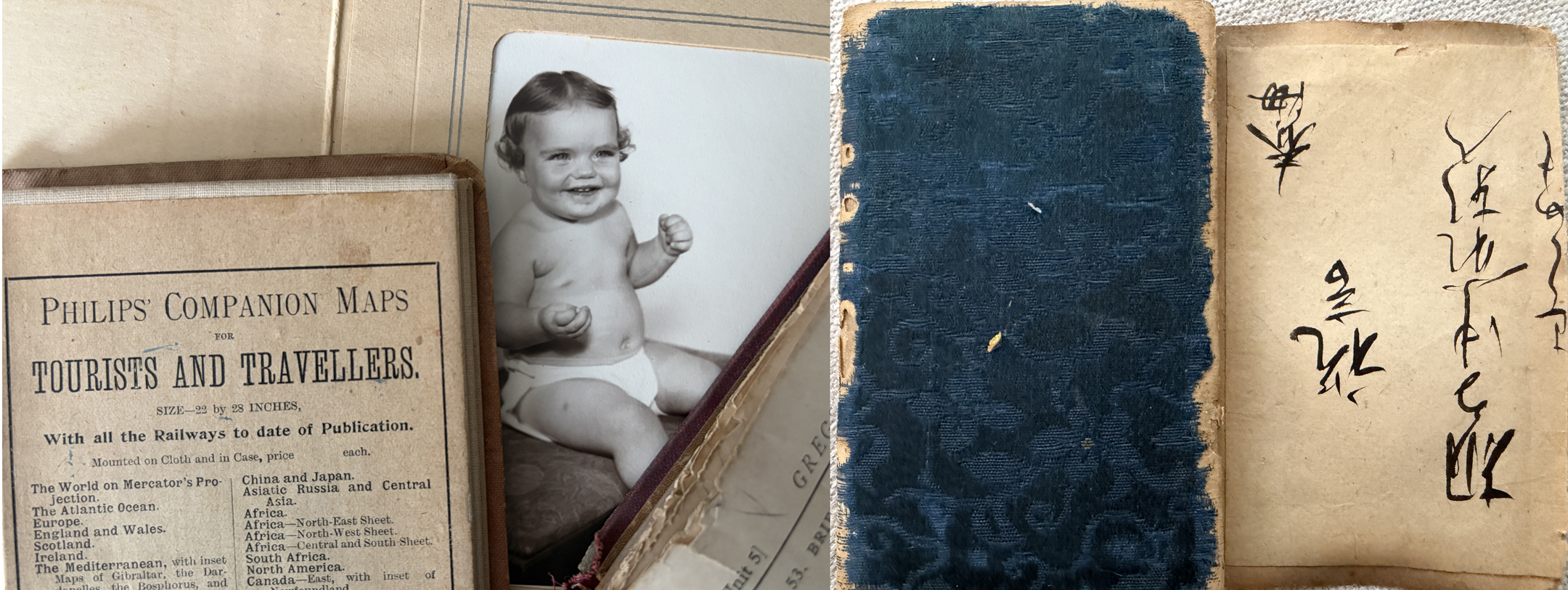
If every scrap of paper must remain whole, visible, and intact, it can’t enter into transformation. It can’t become part of something larger. It stays fixed—safe, yes—but also silent.
Over time, I’ve come to think of my materials differently—not as objects to preserve…
but as participants in a conversation.
- Their purpose isn’t to be fully seen.
Their purpose is to contribute.
A fragment of text tucked under wax may never be read—but it shifts the tone of the surface. A torn edge that disappears into a layer still affects the rhythm of the composition. Even hidden elements carry presence.
If this feels difficult—and it often does—here are a few ways to begin:
- Start with papers you like, but don’t love.
Give yourself a place to practice without the pressure of loss. - Use fragments instead of whole pieces.
You’re not sacrificing the material—you’re allowing it to change form. - Take a photograph before you use something meaningful.
This small act can release the fear of losing it. (I do this all the time) - And perhaps most importantly, shift your thinking from preservation to movement.
Materials are not meant to live forever in a drawer. (Say that again.)
They are meant to pass through your hands, into your work, into meaning.
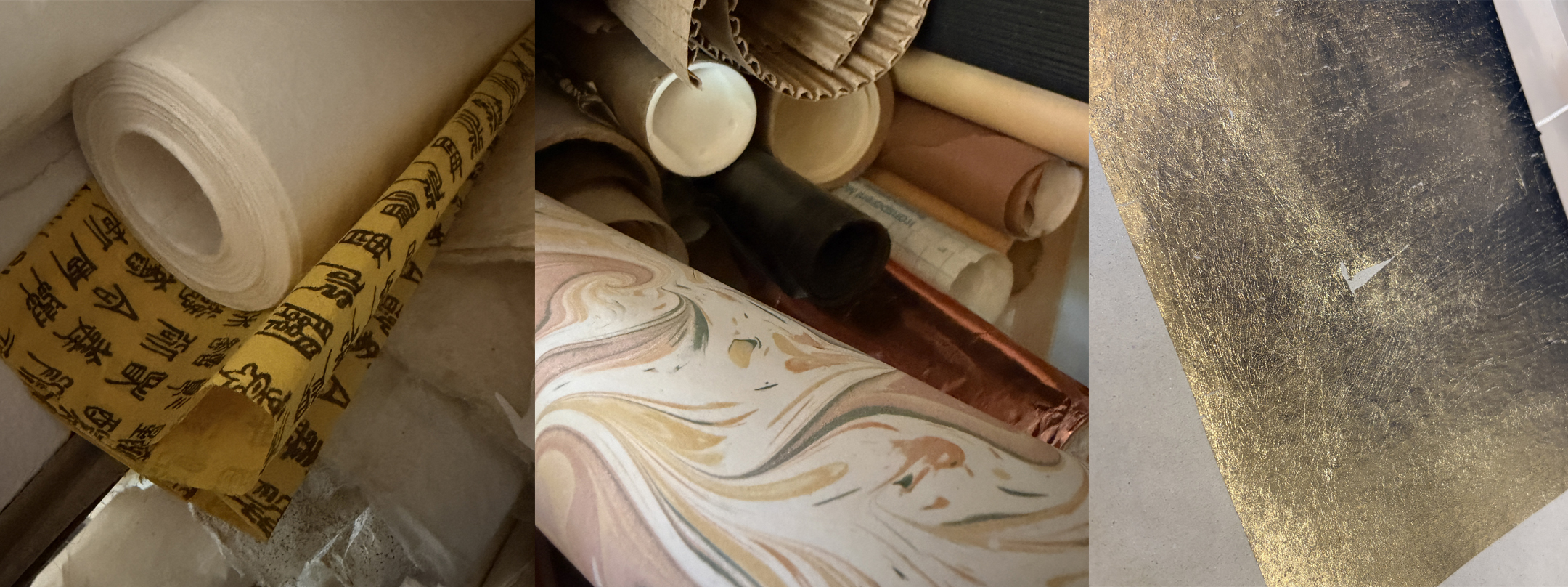
There’s also something deeper happening here. When we hesitate to cover something, we’re often saying: This deserves to be seen.
But what if being transformed is another way of being honored? What if a piece of paper becomes more itself—not less—when it joins something larger?
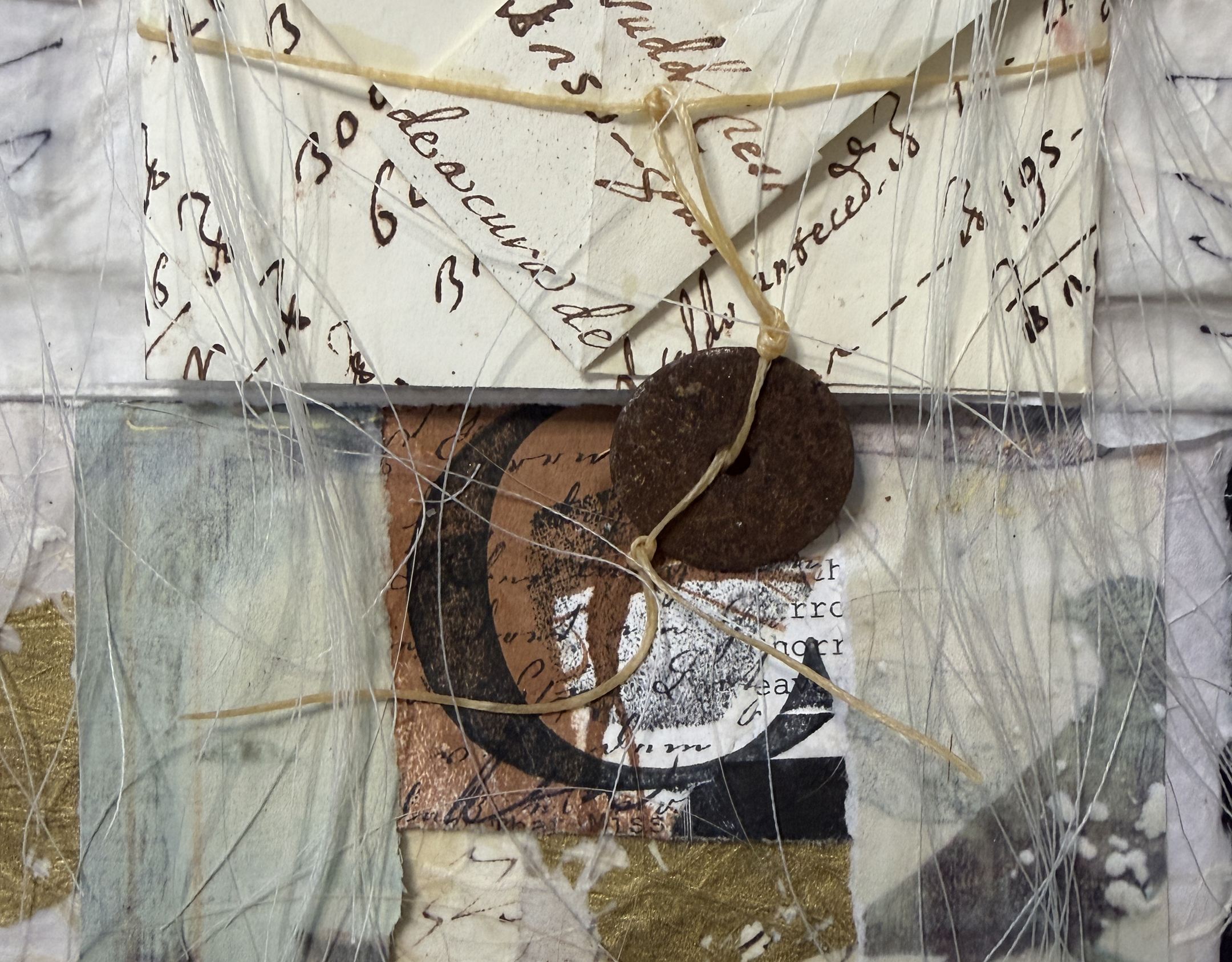
In my own work, especially in these Objects of Devotion, I’ve come to trust that nothing is truly hidden. Every layer, visible or not, becomes part of the whole. The history remains, even when it’s not immediately apparent.
So here’s a small invitation:
Choose one piece that feels “too precious.”
Tear a fragment from it.
Let it enter the work.
And then notice—not just what happens on the surface, but what shifts inside you.
Because in the end, this isn’t just about paper. It’s about trusting that what we love can change…and still belong.
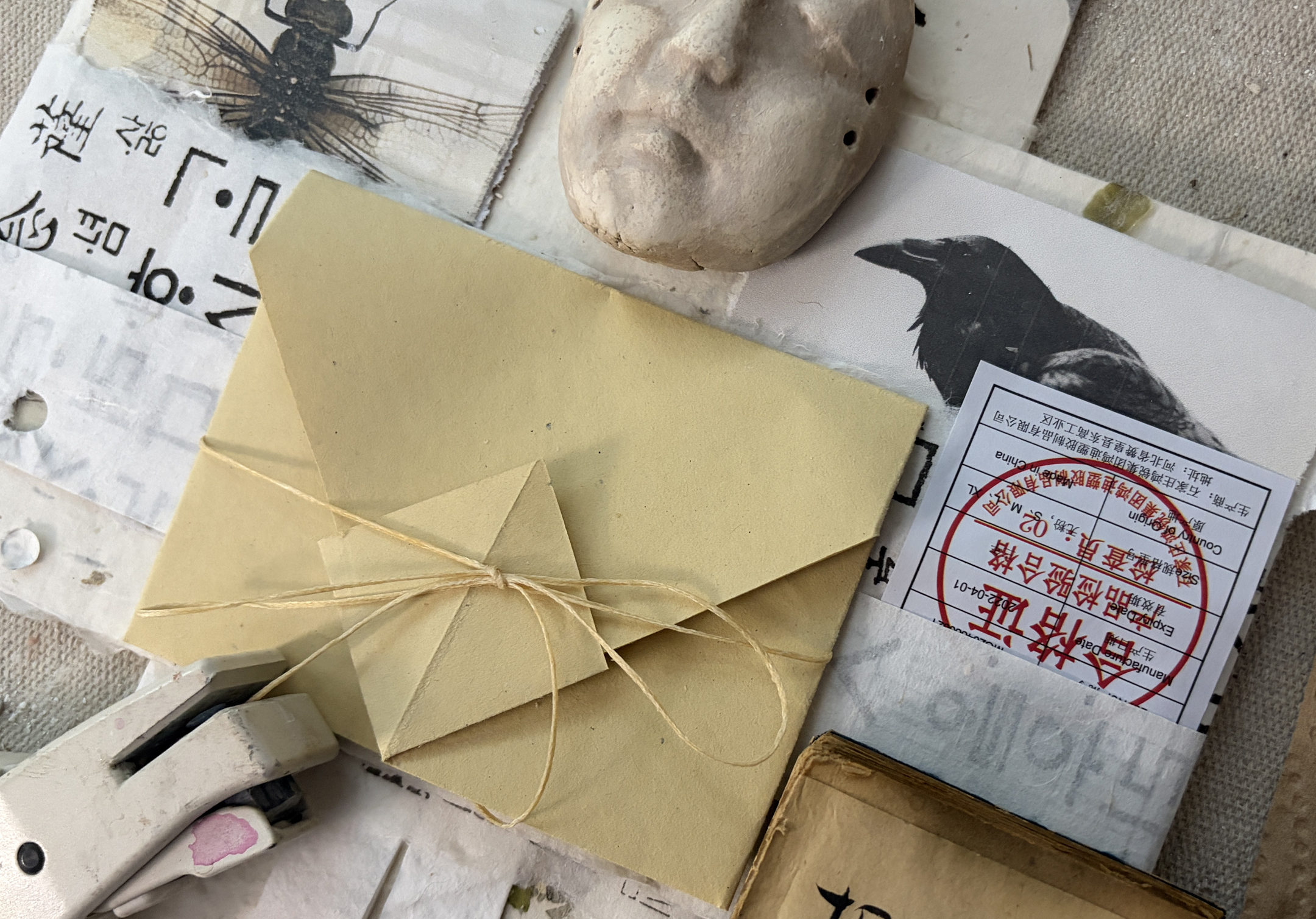
In something like a spirit doll, or a Keeper of Fragments, that material doesn’t disappear—it becomes part of the story the piece holds, whether anyone else can see it or not.
Thanks for reading, and for questioning!
Lyn
“Hidden layers in a work of art are not meant to be seen all at once—they are meant to be felt over time. What disappears beneath the surface doesn’t vanish; it deepens the story, holding the memory of every choice the artist was brave enough to cover.” ~~ LB