Juried Shows and Oracle Cards

When I started developing the Enso Oracle Cards as a tool, I realized that they they can be a very practical resource. Beyond intuitive revelation, these cards offer metaphors that help us navigate the day-to-day challenges of studio practice. They remind us, in a humanistic and positive way, that perspective matters as much as process.

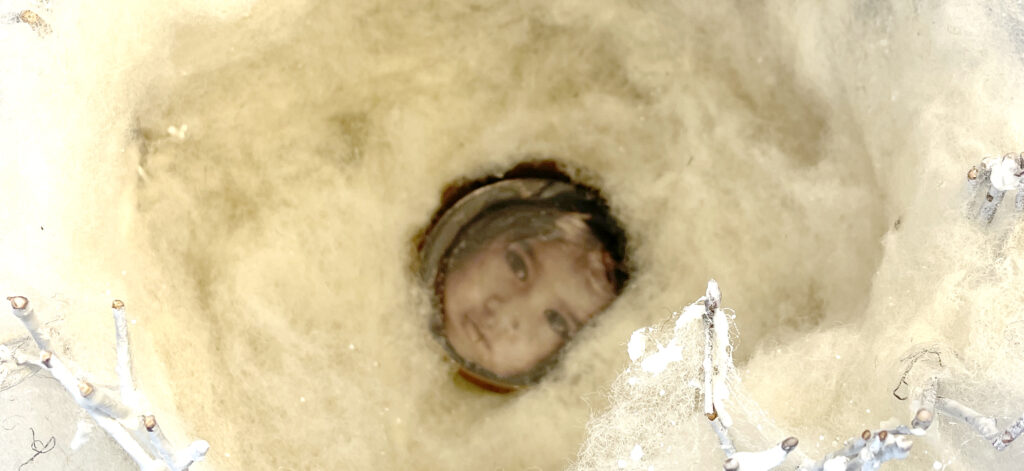
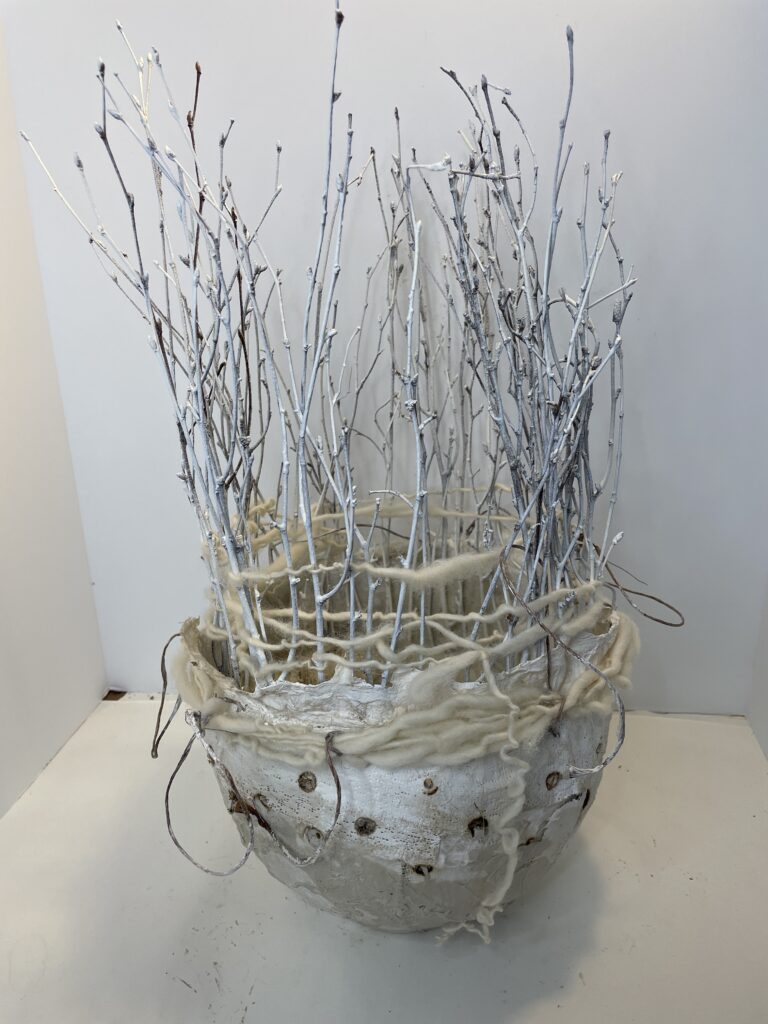
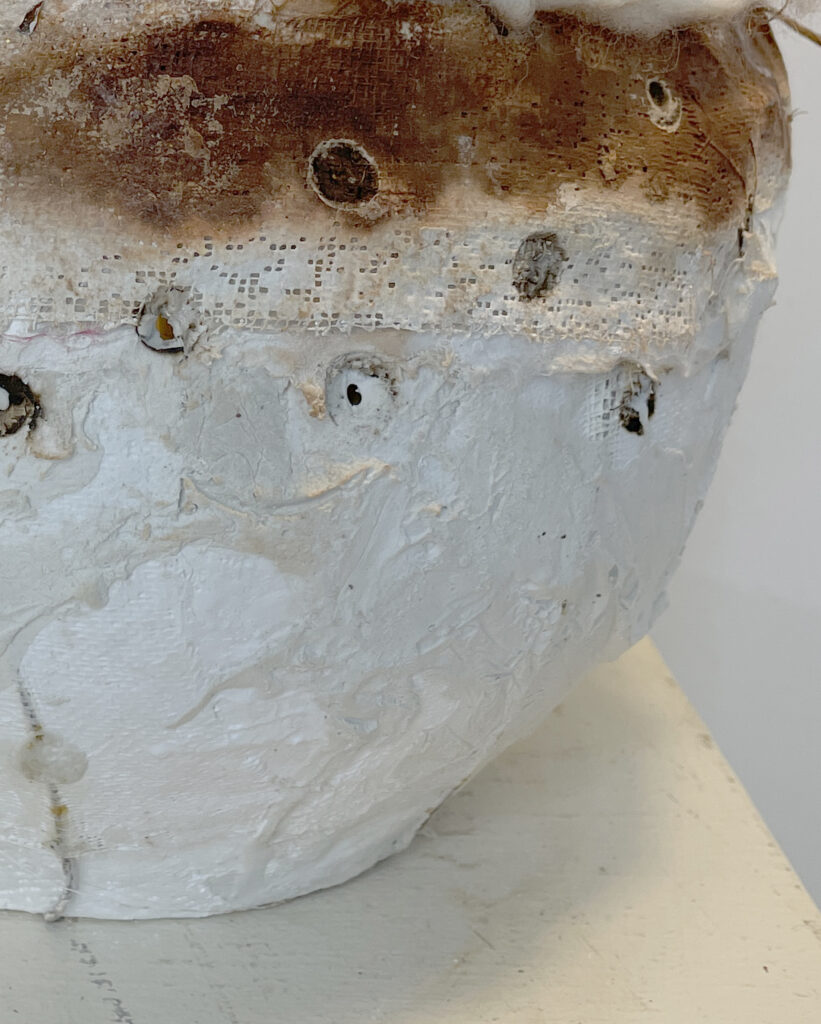
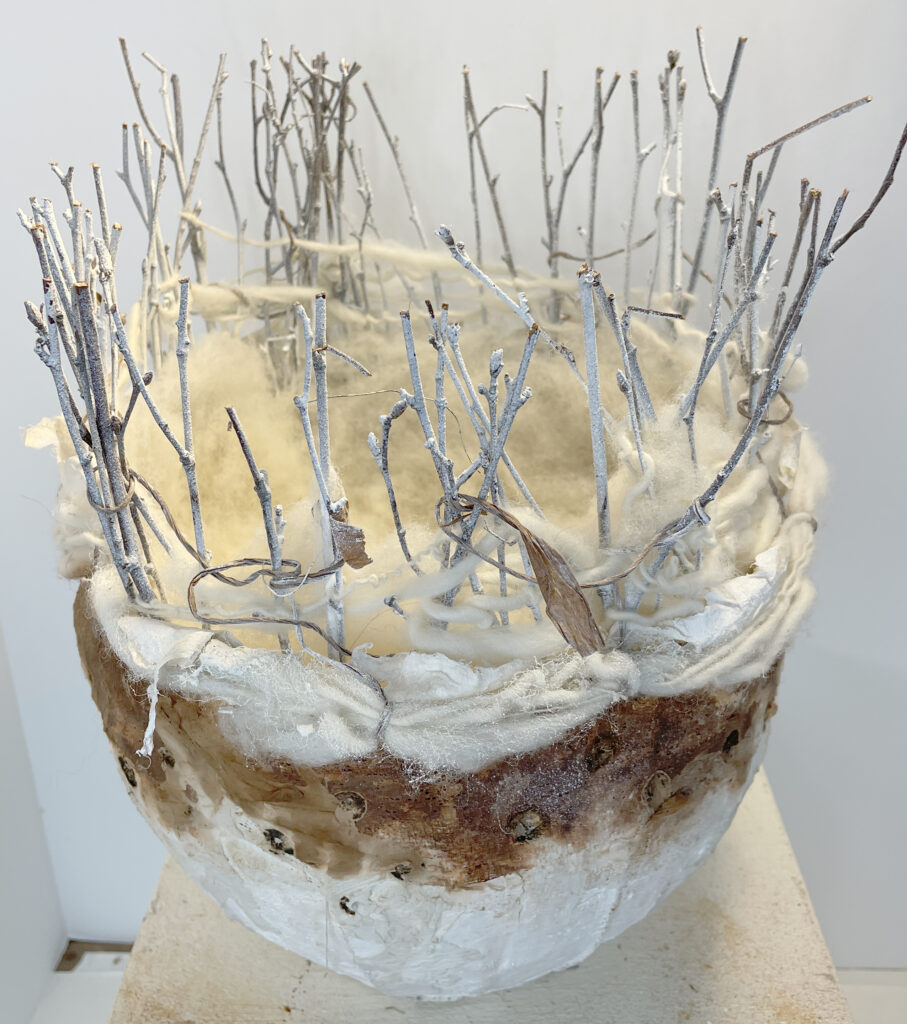
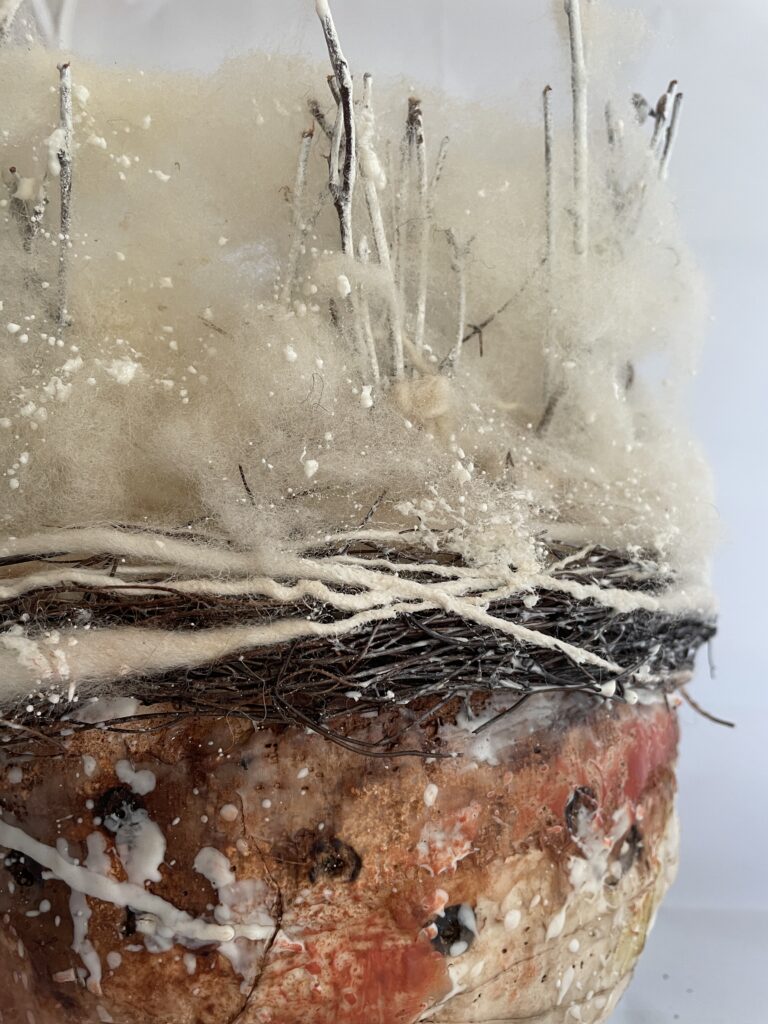
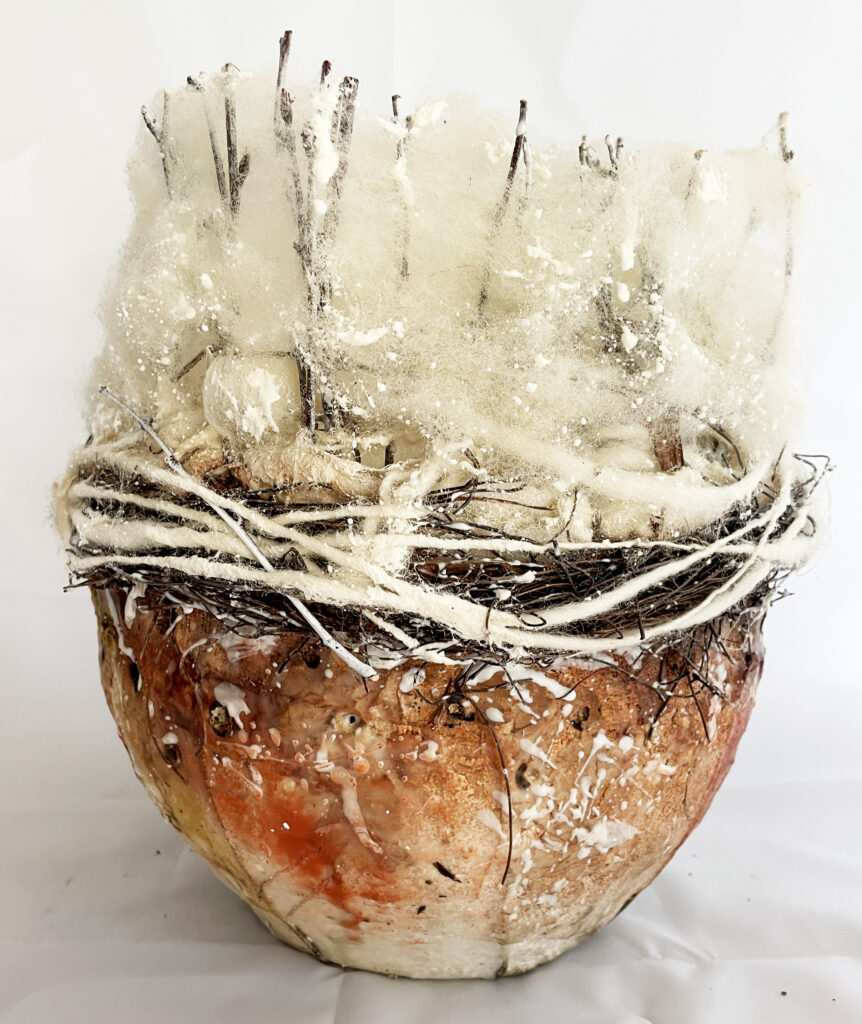
Just last week, I was accepted into the Fiber Artists annual Juried Show with my piece called Woolgatheringwonderful news, because this piece was unconventional enough that I wasn’t sure it would be understood.
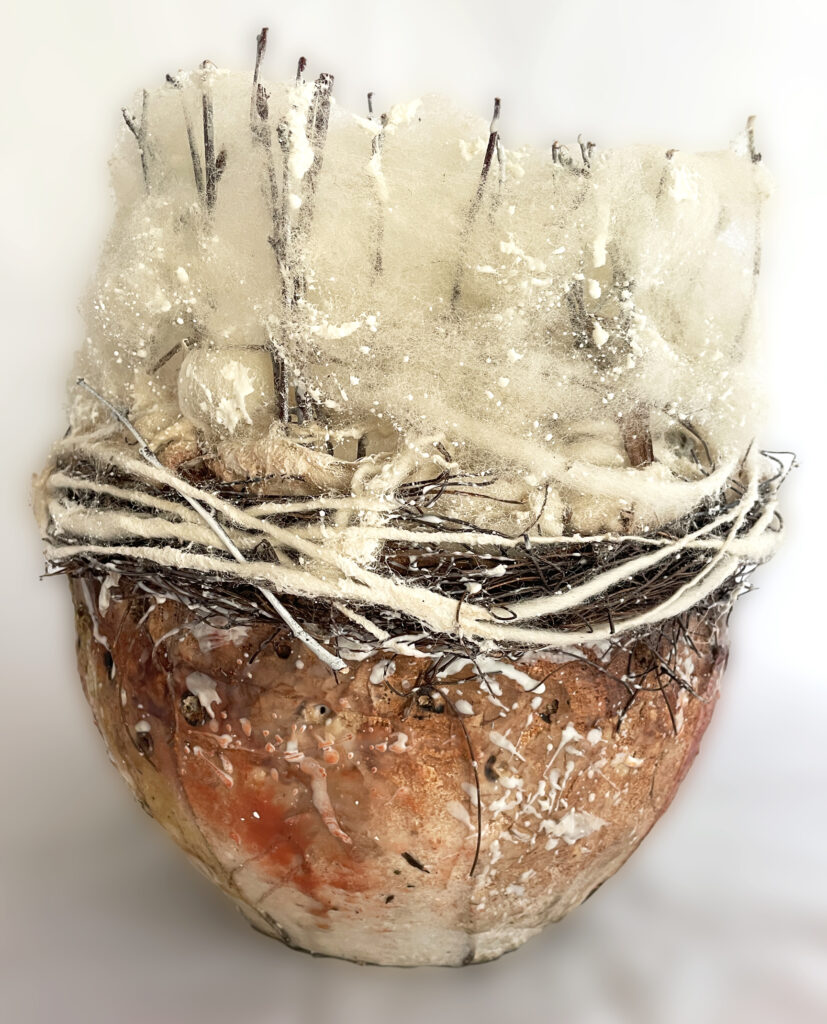
Lyn Belisle. 2025

So I also know the outcome could just as easily have been a polite “not this time.” That is the nature of juried competition. When the stakes feel high, reading an oracle card can provide a way to step back, breathe, and reframe the experience.

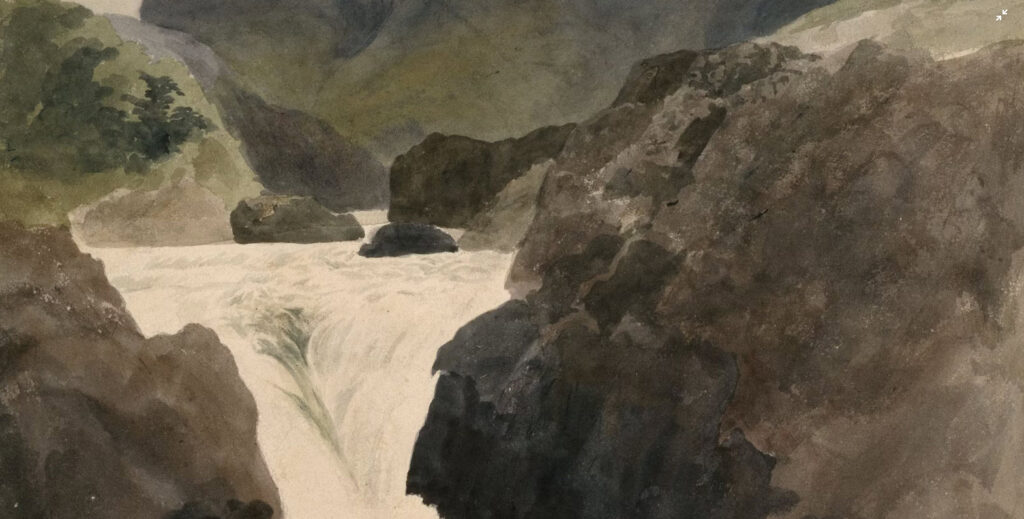
For example, The Pendulum card offers exactly this kind of perspective: a reminder that acceptance and rejection are simply two ends of the same swing, part of the rhythm of creative life.
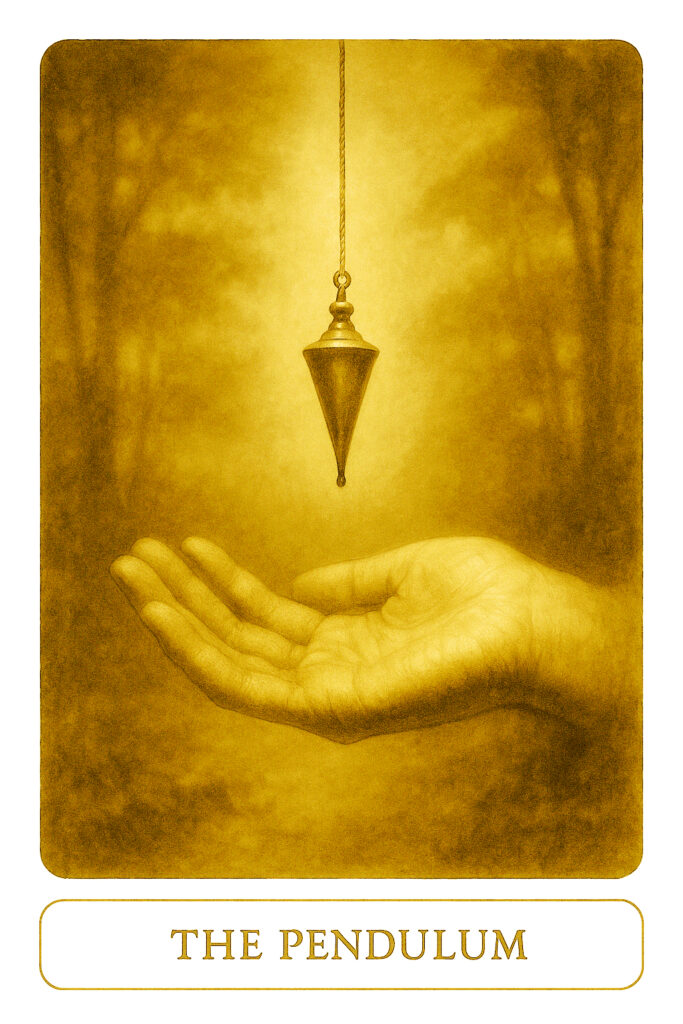
When we draw this card—or choose it intentionally in a moment of reflection—it reminds us that the back-and-forth is not personal, it’s part of the rhythm of being an artist in the world. The swing of the pendulum is natural, inevitable, and temporary.

Juried shows are not a verdict on the value of your art. You know this.They are a reflection of one juror’s perspective, shaped by their own experiences, tastes, and the constraints of the exhibition. Just as a pendulum does not stop at either extreme, the outcome of any one competition does not define your entire creative practice.

In fact, The Pendulum asks us to look at where we stand in relation to those swings. Are we letting a rejection pull us too far into self-doubt? Are we letting an acceptance push us into overconfidence? The wisdom of the card is found in the center—the still point at the bottom of the swing—where we can observe both movements without being carried away by them.

As a practical exercise, if you’re entering a show or waiting on results, you might place The Pendulum card on your studio table. Sit quietly with it and ask:

  • What am I letting swing me off balance?

  • Where is the calm center I can return to, regardless of outcome?

  • What steady rhythm of making can I trust more than the verdict of a juror?

This practice shifts the experience of competition from one of judgment to one of balance. The card becomes less about predicting success or failure and more about anchoring yourself in the ongoing rhythm of your creative life.

What matters most is not the swing itself, but your ability to find stillness at the center and keep creating with steadiness and joy. It’s all perspective.

Now if only an actual pendulum could give me a positive yes or no answer about whether the piece will be accepted . . . .or maybe the waiting is part of the game 🙂


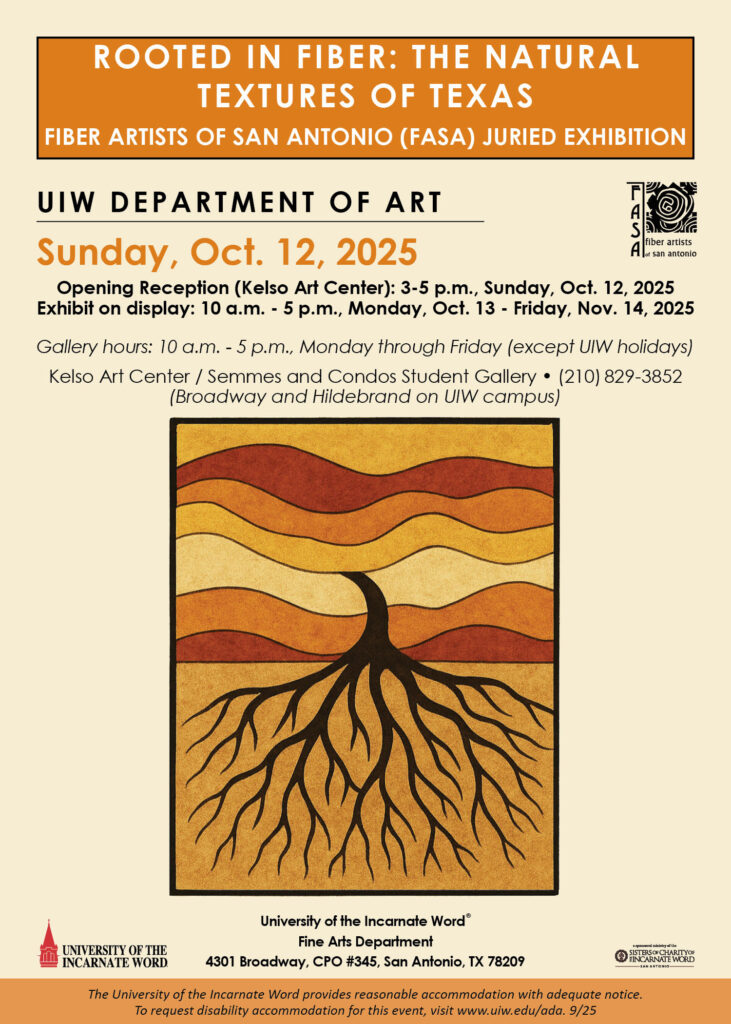
If you live in the San Antonio area and wold like to know more about the Fiber Artists of San Antonio Exhibit, here you go! Hope to see you there!
Cultivating “Enoughness”

Every once in a while, a word drops into my lap and refuses to let go. This week it was enoughness. I first used it when talking with our Enso Circle Continuing Residents about wabi-sabi and the endless challenge of cleaning and organizing a studio.

Here were those observations about the difference between “normal” intent and “wabi-sabi” mindset:

Conventional Studio Clean-Up
  • Striving for order: Every tool in its perfect drawer, every scrap of paper sorted or discarded.
  • All-or-nothing mindset: Belief that the studio must be fully “finished” before any new work can happen.
  • Stress and guilt: Overwhelm at the clutter, shame for letting it get “out of control.”
  • Time sink: Hours (or days) spent chasing an idealized, showroom-ready workspace.
Wabi-Sabi State of Mind
  • Enoughness: Accepting that some piles, stains, or chaos are part of a living, creative space.
  • Incremental rhythm: Tidying in small, mindful gestures that create breathing room without demanding perfection.
  • Compassion for self: Seeing clutter not as failure, but as evidence of energy, exploration, and process.
  • Organic order: Letting the studio evolve toward usefulness and comfort, rather than an imposed ideal of spotless control.

Enoughness. Funny word. But the more I sat with it, the more it started to echo through my own art practice.

Enoughness is not about settling. It’s not shrugging and saying, “Well, that’s good enough, I’ll just stop here.” Instead, it’s a sense of completion that comes when a work, a studio, or even a moment feels whole—alive—without needing to be flawless. It’s the place where beauty and imperfection meet.

As I’ve been creating the shard-based assemblages for our upcoming Taos exhibition, I’ve been struck by how the broken pieces seem to carry this truth. A shard of clay, a fragment of a vessel—these are not discarded failures. They are clues. They invite me to listen and to assemble them into a new wholeness that doesn’t erase the breakage but celebrates it.

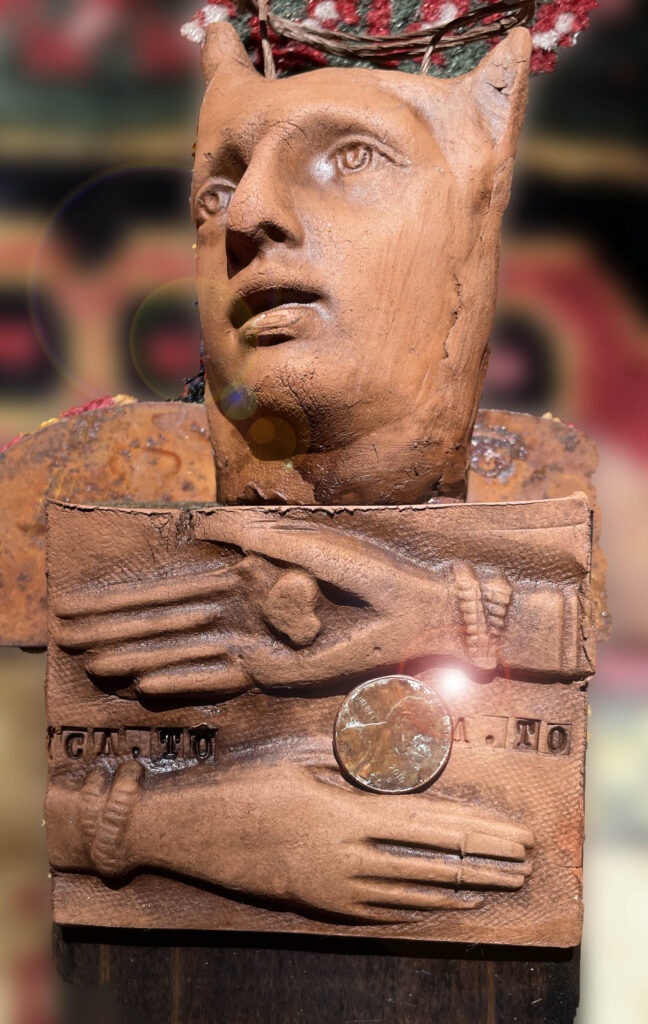
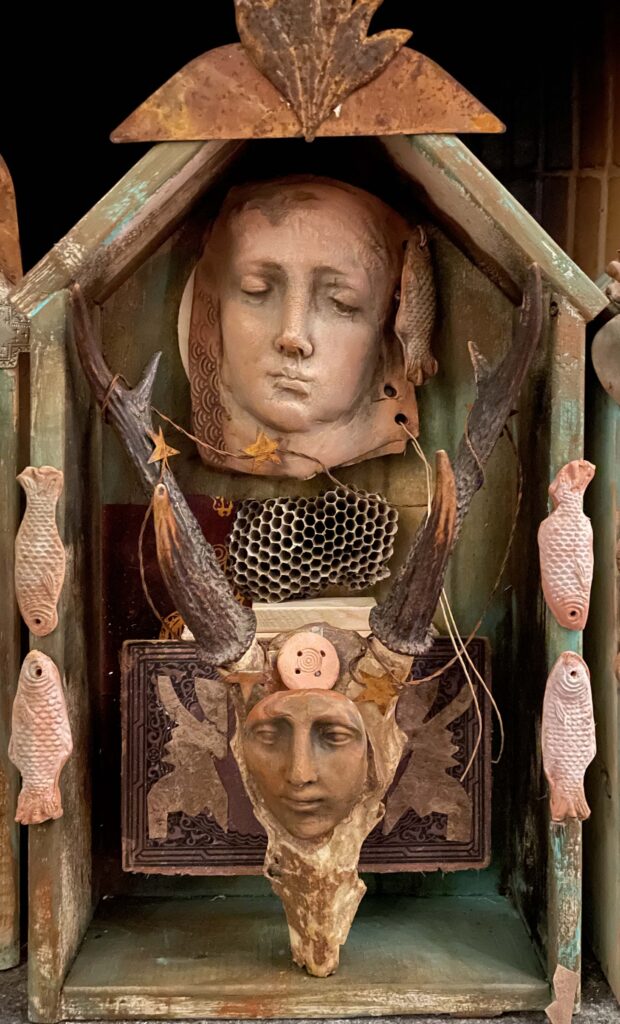
This assemblage is a conversation in fragments: a face, a hive, antlers, fish, stars. None of these pieces were “whole” when I found them, yet together they created a balance that felt complete. I remember pausing as I worked, holding another small object in my hand, and realizing that if I added more, the story would start to unravel. That moment was enoughness—when the piece declared itself “finished”, not because it was perfect, but because it had found its voice.

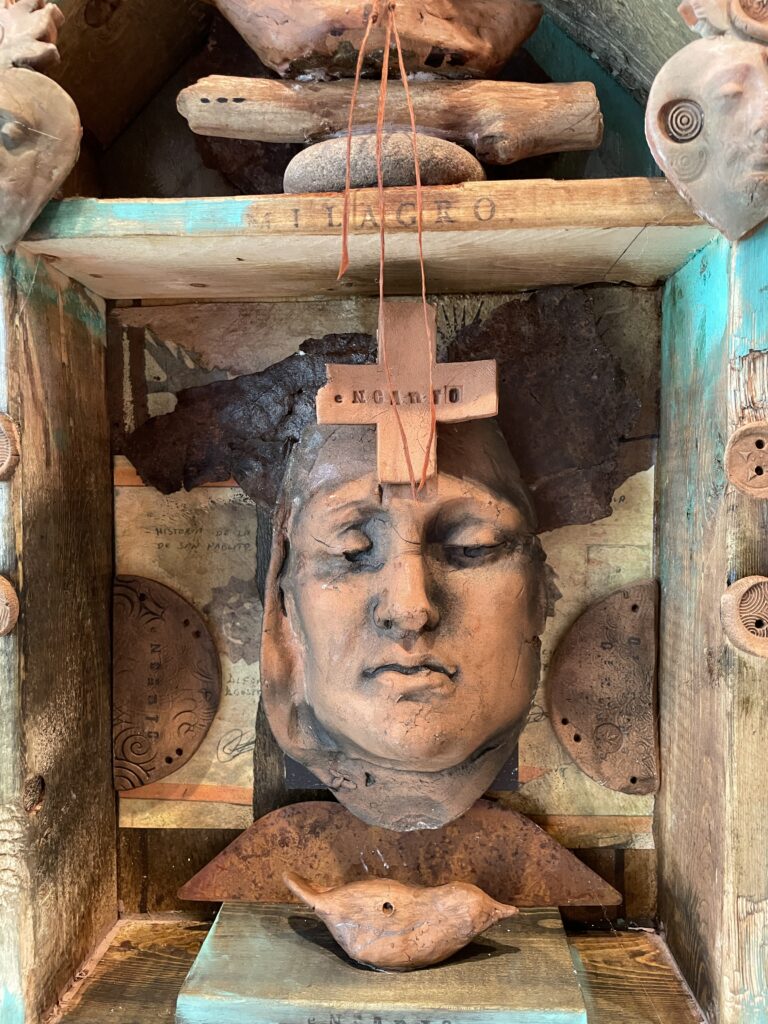
Here, the clay face rests beneath the word encanto and a small bird. The cracks and weight in the features carry their own gravity, so when I tried to “fix” the balance with additional adornments, the power of the piece diminished. The bird and the word were all that was needed. Enoughness is sometimes choosing silence over noise.

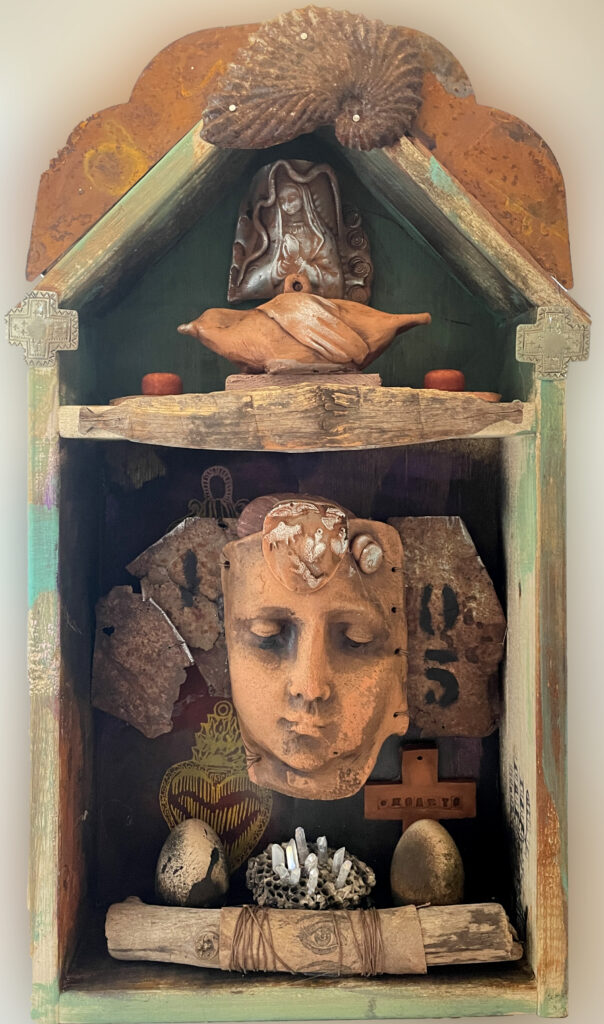
This assemblage reminds me how enoughness is about honoring the fragments for what they are. Rusted tin, clay shards, a hive filled with crystals—each is incomplete on its own. Together, they form a shrine that feels both fragile and eternal. Enoughness comes when the materials themselves breathe, and I don’t need to push them further.

When I’m working, there’s always the temptation to keep adding more: another layer, another fragment, another mark. But the piece itself tells me when it’s had enough. That moment of recognition—that quiet knowing—is enoughness. To go further would risk dulling the spark. To stop short would leave it unresolved. Enoughness is the balance point, the breath between too much and not enough.

This is where wabi-sabi sneaks in. The Japanese aesthetic of imperfection and impermanence reminds us that cracks and scars are not flaws to hide, but part of the story. Enoughness is wabi-sabi in motion, the living edge where a work becomes whole not despite its fragments, but because of them.

As I gather shards and build these new assemblages, I’m reminded that enoughness is not only about art—it’s about life. A studio doesn’t need to be pristine to be ready. A piece doesn’t need to be perfect to be powerful. And perhaps we don’t need to be flawless to be whole.

So here’s a reflection for you, SHARD readers:
How do you know when your work—your art, your home, your life—has reached enoughness? Not perfect. Not abandoned. But complete in its storytelling.

Picking Up Pennies in Your Path

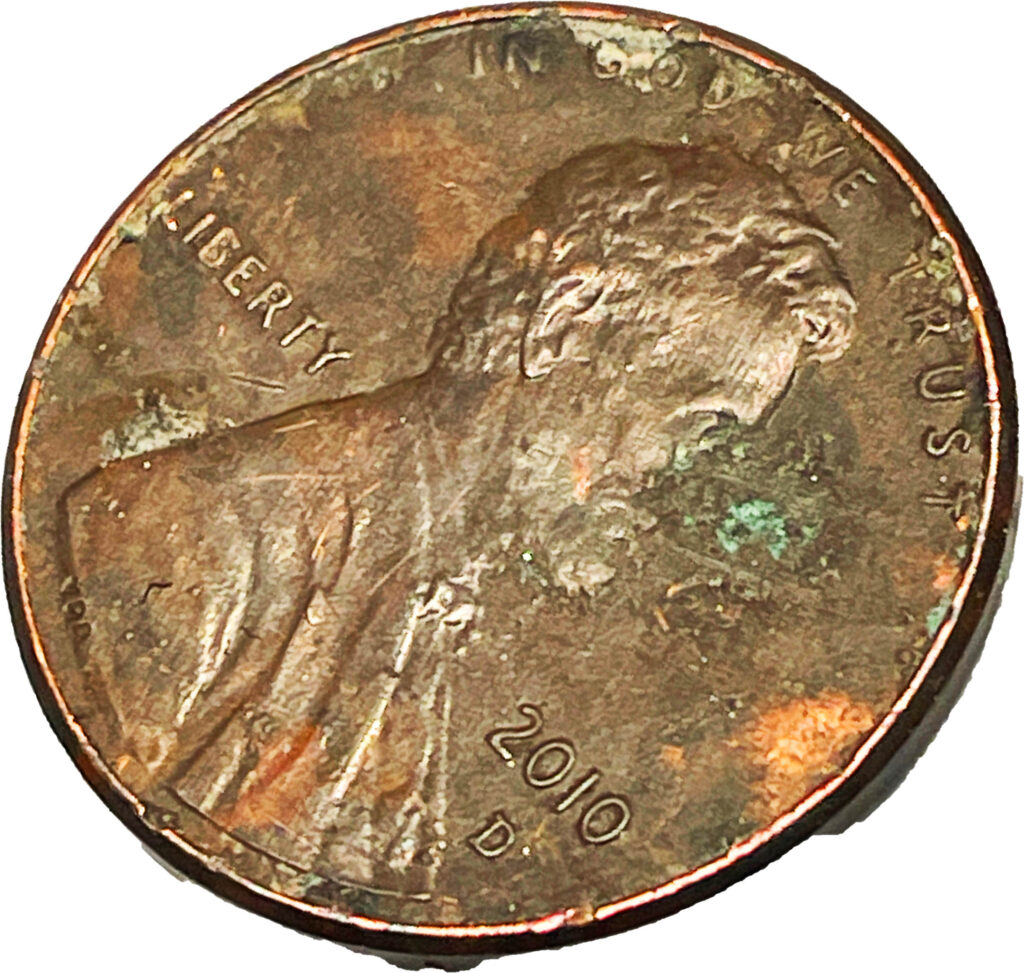
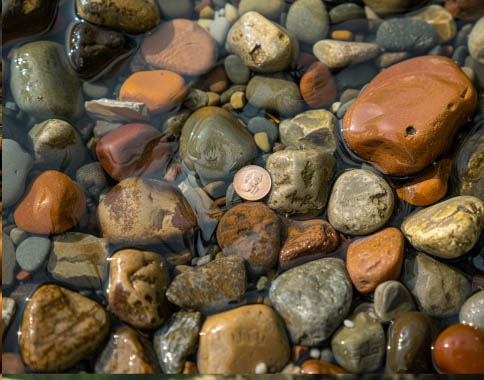
I found this penny yesterday outside of my local HEB grocery store. It looked as if it had been around a lot longer than 2010 — kinda beat-up and corroded. “Find a penny, pick it up, and all the day you’ll have good luck.”

Many of us grew up hearing that rhyme, a little scrap of folklore that turned the smallest coin into a charm against misfortune. The penny has always carried more weight in symbolism than it does in currency. From thrift (“a penny saved is a penny earned”) to chance (“a penny for your thoughts”), it’s a humble token that reminds us how small things can hold unexpected meaning.

And yet, after more than a century in circulation, the U.S. Mint will stop producing pennies next year. It feels strange to think that a coin so common, so unremarkable in daily life, is about to slip quietly into history. Wahhhh!

For me, though, pennies will never be ordinary. Whenever I spot one on the sidewalk or tucked in the dust in a corner of a door frame, I immediately think of my mother, now gone, and I take it as a sign — a quiet hello, a reminder that love lingers in the smallest of tokens. These unexpected pennies can become talismans of connection, proof that influence doesn’t end with absence.

Perhaps that’s the magic of the penny: it teaches us as artists to notice. To see the shimmer in what most people step over. To remember that sometimes, the universe drops a coin at our feet just to remind us we are not alone.

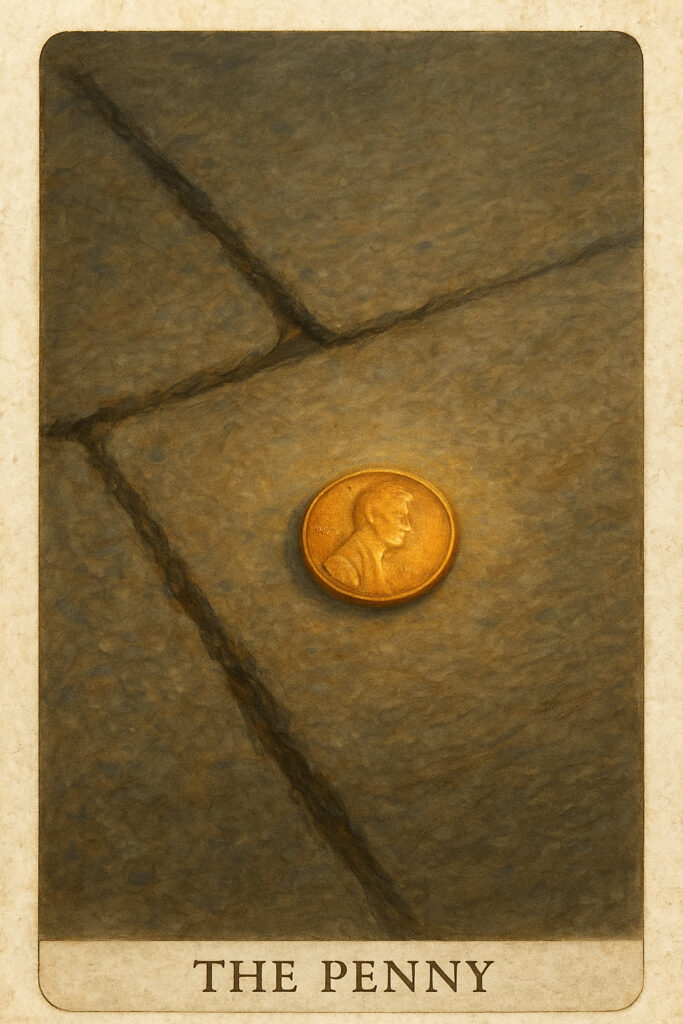
That same spirit inspired me to create a new card for the Enso Oracle: The Penny. Like the coin itself, the card is about noticing the small signs that appear along your path.

In the studio, it might be the scrap of paper you almost threw away but suddenly see as the perfect starting point, or the chance remark from a friend that opens a new direction.

The Penny also asks you to think of someone who has influenced your creative journey — a mentor, a mother, or a friend — and to carry their encouragement into your work. And when the card is reversed, it calls you to face the other side of the coin: to forgive the person whose doubt or discouragement has lingered too long, and to release that weight so it no longer limits your practice.

Drawing The Penny card is an invitation to pause, to honor what has been given, and to look for small treasures hiding in plain sight that might spark the next stage of your creative journey.

The Penny

Keywords: sign • remembrance • unseen influence • gratitude • forgiveness

Oracle Message:
The Penny appears as a small but shining reminder that nothing is insignificant. Just as a coin on the ground can feel like a message from someone we love, this card invites you to notice the quiet signs and synchronicities that connect you to others. It is a call to pause and acknowledge the unseen influence of those who have shaped your journey, for better or for worse. Upright, The Penny asks you to remember and honor those who have encouraged you, to carry their love into your work.

Reversed, it points to the other side of the coin — the voices that discouraged or doubted you. Their shadow may still linger, but now is the time to release them, to forgive, and to step forward unburdened.

Reflection Questions:

  • Who in your life has left you “pennies of encouragement,” small but lasting gifts of influence?
  • What overlooked signs in your studio practice might carry deeper meaning?
  • Is there a discouraging voice from the past that you can finally let go?

Affirmation:
I honor the voices that have loved me, and I release the ones that held me back.

__________________________________

So the next time you see a penny on the ground, pause before you step past it. Pick it up, notice its weight, and let it remind you of the small but powerful connections that guide your path — in the studio and beyond. And save it, because eventually there will be no more of these lovely little copper coins.

If you find one today, know that I am thinking about you and thanking you for reading this!!


That’s Life!

Michelle Belto and I are ready to begin the fall term with our Enso Circle Continuing Residents, the group that is sort of like “alumni” from our online artists’ residency program which will reopen next spring.

I am so grateful to that group because they’re often the inspiration for my Enso Oracle cards. Their questions and the information we all share within the group are things that every artist copes with or celebrates in one way or another as we try to fit in our work with our life. That can be a huge job, right?


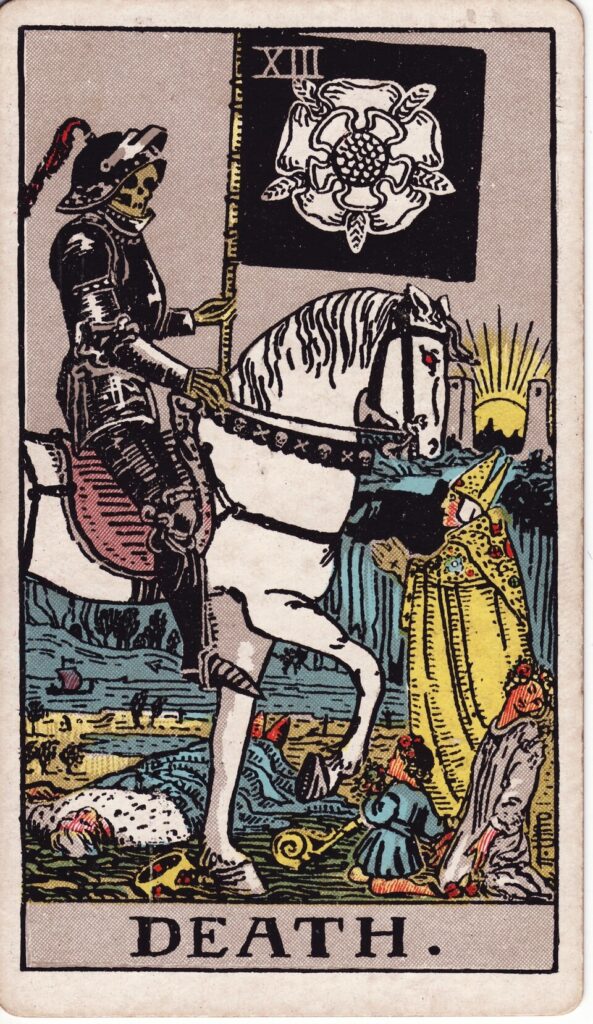
EEEK! It’s the Death Card! Yikes!

Nobody likes to pull the Death card in a tarot spread—it sounds ominous, even though it often means transformation or release. But what about creating quieter, more complex twin, the Life card?

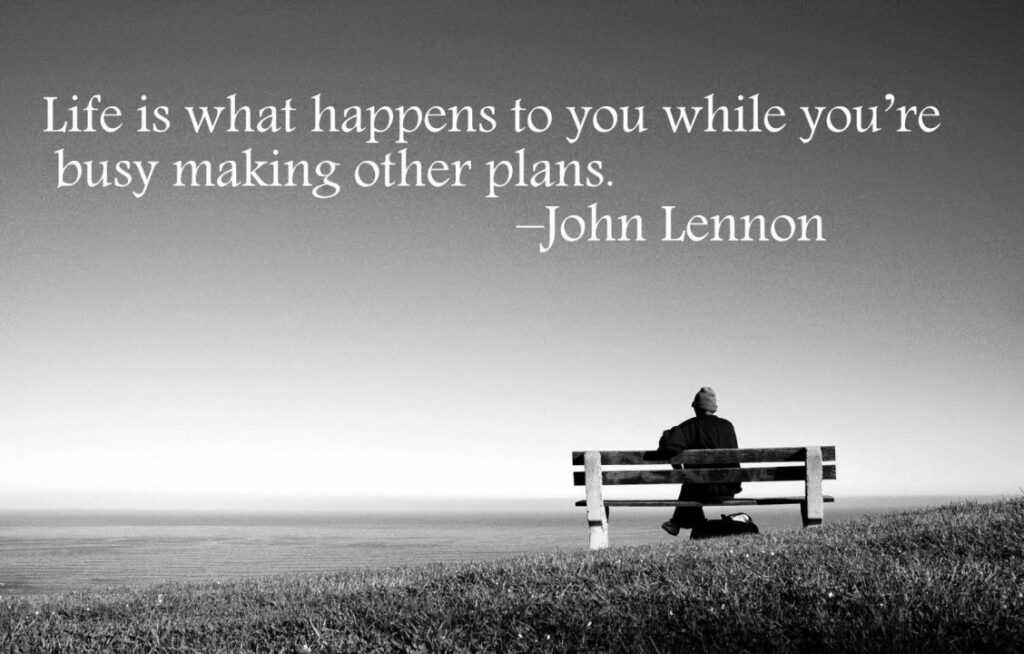
Life is more unpredictable, more unruly, than death. Death is final; life interrupts. Life barges in uninvited, derails studio practice, pulls us away from the easel or the loom or the kiln. Life collides with intention—family calls, health falters, bills pile up, or maybe you win the lottery?? It not always bad, but it always disrupts.

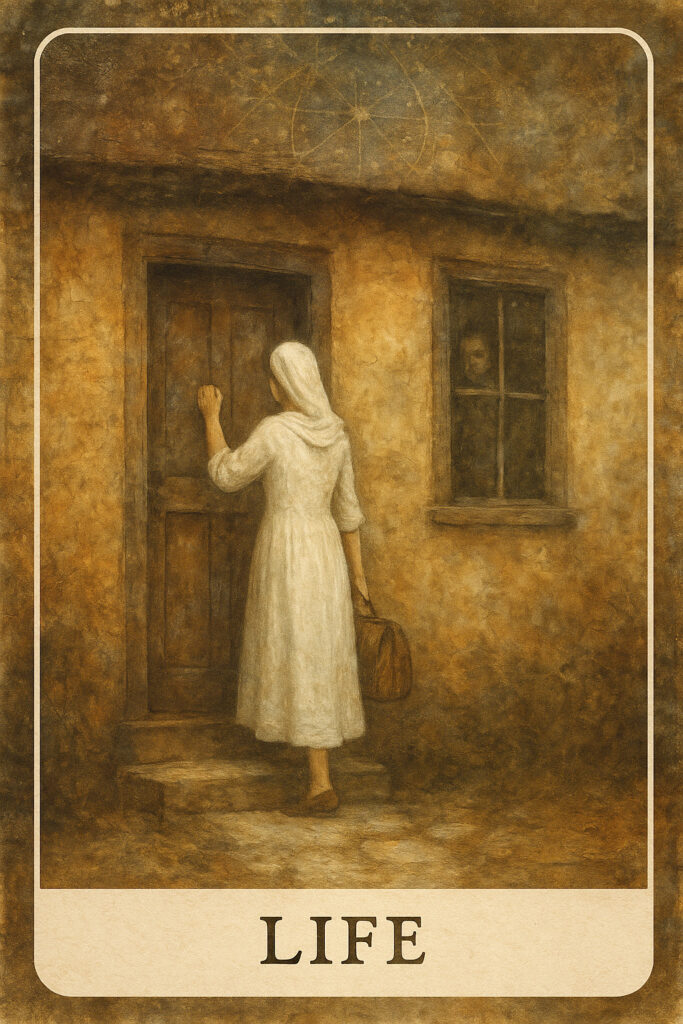
When I created the Life card for the Enso Oracle, I wanted something as profound as the tarot’s Death card, but with less fear and more practical application to the artist’s journey. Life doesn’t end things in the same way death does—it reshapes them, tests them, and insists on being part of the process.

For an artist, drawing the Life card is a reminder that we live in a field of interruptions and detours. Yet within those interruptions lies the raw material of art itself: the texture of real experience, the unpredictable weather of being human.


What the Life Card Means

When the Life card comes up, it doesn’t say, “Stop creating.” It says, “Look at what is unfolding.” Life often looks like a distraction, but in truth it is the source of the deepest work. The missed studio hours, the detour from your schedule, the unplanned season of caregiving or crisis—all of these shape the inner landscape that eventually makes its way into your art.

In this sense, the Life card is not an obstacle but a grounding force. It tells us that art is not made apart from life; it is made because of it.


An Example: Interrupted Practice

I know an artist (a painter) who had to abandon a large canvas midway because her father grew ill. The painting sat untouched for months while she traveled back and forth between hospital visits and home. At first, she resented the interruption. But when she returned to the studio, she realized the canvas had been quietly waiting. The work resumed, but it carried something new—an undercurrent of tenderness and vulnerability she could not have painted before that season of life unfolded.

The interruption had not ruined the work. It had deepened it.

Another example is my own. Several years ago, I was facing a rushed deadline for an exhibit (I’m a procrastinator by nature), when a sudden family emergency took us out of town for a week. Thankfully, all turned out well with the family, but I came back to the studio in what I thought was real trouble. What surprised me, though, was how the forced pause gave me time to think more clearly. Away from the pressure of materials and mess, I imagined new approaches, and in that space I discovered a collage technique that not only saved the project but has become a mainstay of my practice ever since.


Drawing the Life Card as an Artist

So what does it mean when you draw the Life card?

  • It may be telling you to forgive yourself for missed studio days.

  • It may be reminding you that your creative path is not separate from the messy, glorious whole of existence.

  • It may be inviting you to weave the day’s interruptions—joyful or painful—into the story your art is telling.

Because Life, for all its unpredictability, is the well from which we draw.

______________________________________________________________

LIFE

Keywords: interruption, arrival, change, reality, presence

Interpretation (Upright):
Life comes to the door without warning. You may have had plans, momentum, even clarity—but now, something is shifting. This card reminds you that your creative path exists within the greater rhythm of life, not apart from it. Whether it’s a new opportunity, a deep loss, or a sudden turn, Life is asking you to pause and open the door. It may feel inconvenient or even frightening, but this is part of being fully human. Honor the moment, even if it interrupts your art. One day, it may become your art.

Interpretation (Reversed):
You may be resisting change or holding tightly to plans that no longer fit. When Life knocks, we don’t always feel ready—but pretending not to hear the knock doesn’t stop it. Reversed, this card suggests a reluctance to surrender control, even when the path forward is already unfolding. Can you make room for the unknown without losing your center?

Reflection Questions:

  • When has life redirected your creative path—and what grew from it?
  • What might happen if you welcomed interruption as part of the journey?

Affirmation:
I open the door, even when I don’t know what comes next.

_____________________________

A Closing Reflection

The next time Life shows up, whether in a card spread or in the form of an unexpected event, pause before you push it away. Ask: What is this teaching me? How can I hold this moment as part of my practice, not against it?

The Life card reminds us that without life—its surprises, its detours, its demands—there is no art. It’s the reminder that to be alive is already to be creating. Yay for Life!


Woolgathering — Juried Shows and Trusting the Process

Lyn Belisle. 2025

(From the Dictionary: Woolgathering once literally referred to the act of gathering loose tufts of wool that had gotten caught on bushes and fences as sheep passed by. As you might imagine, woolgathering was not the most profitable of enterprises; its practitioners must have seemed to wander aimlessly, gaining little for their efforts. In the mid-16th century, woolgathering began to appear in figurative phrases such as “my wits went a woolgathering”—in other words, “my mind went wandering.” From there, it wasn’t long before the word woolgathering came to suggest daydreaming and mind-wandering.)

There is no Oracle Card for this post, but I do want to talk about something else that artists and makers hear a lot – that “Trust the Process” advice. In Shaun McNiff’s book by that name, he defines “trusting the process” as an embodied practice of letting go, staying open, embracing imperfection, engaging in improvisation, and responding to the evolving work—not insisting on a fixed result. It’s trusting that the creative intelligence inherent in the process itself will carry you to unexpected and resonant places.

What does that actually mean? Here’s a real example from my own studio that happened  when I wanted to create a piece for the Fiber Artists of San Antonio juried exhibition,  Rooted in Fiber: The Natural Textures of Texas. 

I started this piece with only a loose idea in mind—I wanted to make a vessel that would somehow reflect the call for entry, which asked artists to highlight our ties to the Texas landscape and textile traditions.

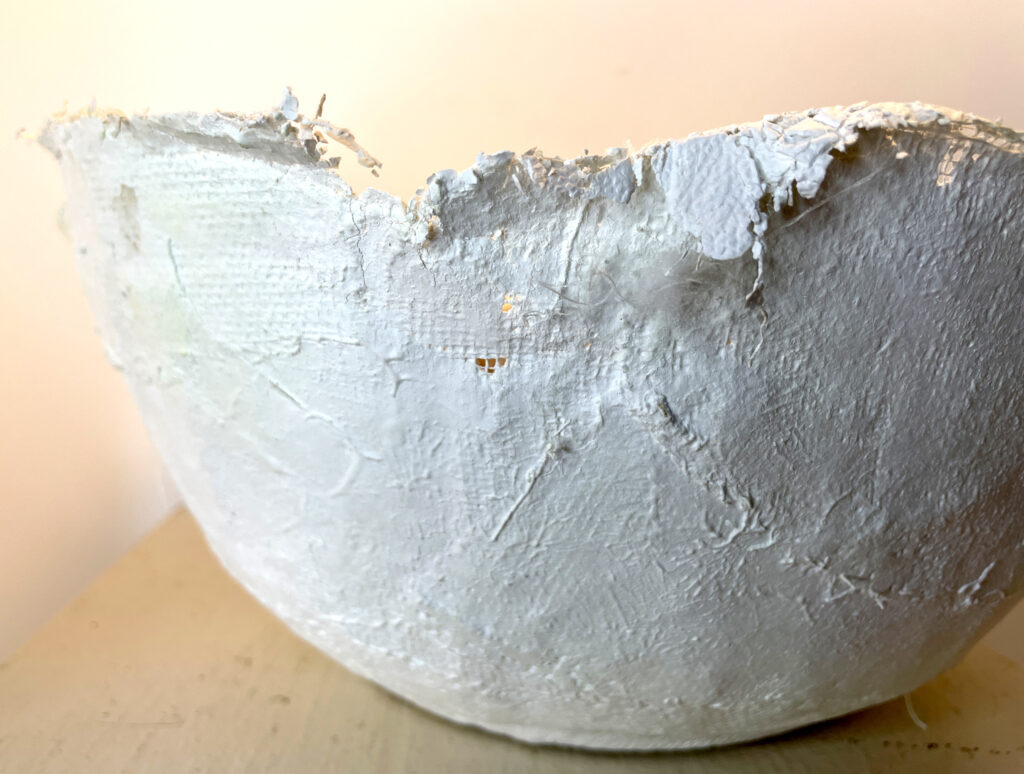
So I made a plain white form out of plaster and fiber. It sat on my table like a question mark: now what?

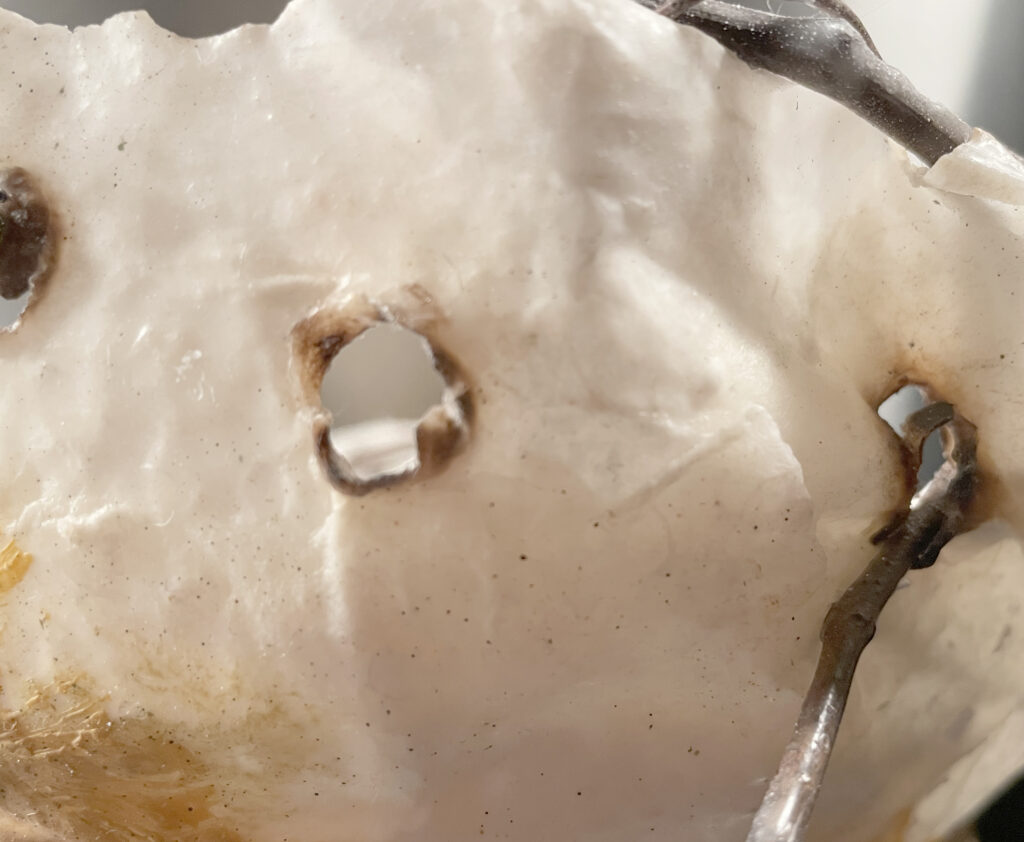
That’s when the process started asking me to trust it. My first risky move was burning holes into the surface with a soldering iron. It always feels scary—what if I ruin it? But the holes gave the vessel air, a kind of breath. (I thought about threading yarn through them, but that felt too simple, too obvious.)

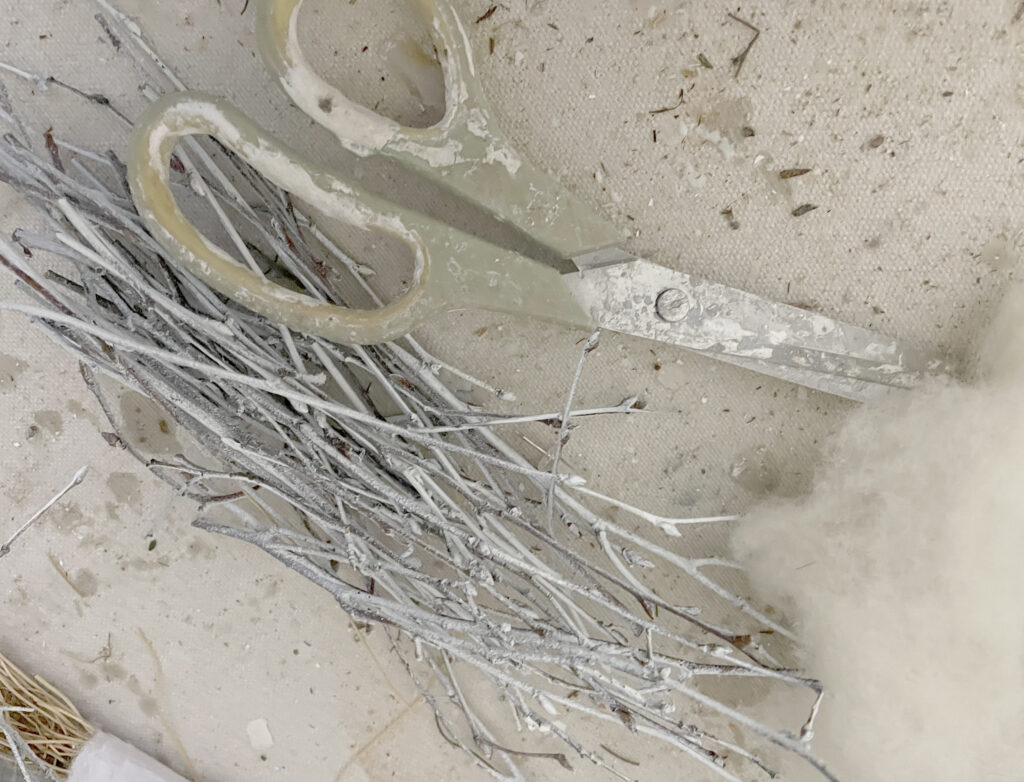
Next came long sticks and a branched rim. That looked promising, but the proportions were off—it seemed more like a bowl trying to become a bonfire. I painted everything white to unify it. Still, it wasn’t quite there. (Note – it really IS pretty, but I was trying to honor the theme of the exhibition by creating a conversation about Texas fiber and this was going in the wrong direction – I’m saving this idea, though!!).

Then I stained the rim with walnut ink, hoping the earth tone would anchor the piece.

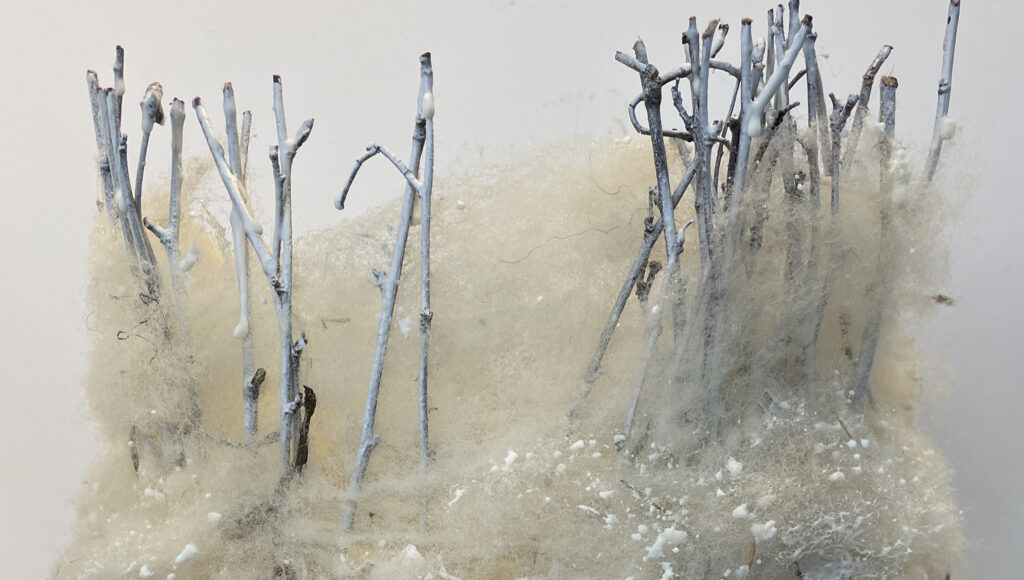
The shift came when I added unspun wool roving to the rim. Suddenly, something clicked.

On impulse, I looked up the word woolgathering. I discovered it referred not only to pulling scraps of wool from fences after sheep passed by—a task rooted in Texas’s textile history—but also to the act of daydreaming. That was the key.

But I had to cut back the sticks to change the focus and to reflect the idea of a rustic fence.

Cutting the sticks down was painful—they were beautiful, but they were overwhelming the form. Once shortened, though, they offered a perfect fench-like perch for bits of wool.

After reshaping the twigs, I brushed encaustic wax across the vessel’s surface and rubbed in pan pastels, earthy tones that recalled the grazing fields of sheep.

The vessel seemed to root itself in the land. When the wool was woven and integrated into the rim, I added final “sparkles” of white wax across the surface, echoing both stray tufts of wool caught on fences and the small white wildflowers that brighten Texas pastures. At last, the vessel became whole.

Every stage of this work asked me to let go, to take a chance, to risk losing what I had in order to find something better.

Woolgathering is the result: a vessel that holds both memory and imagination.

It carries the story of Texas’s fiber traditions, of sheep and goats shaping the land, and also the quiet act of wandering thought. For me, it’s a reminder that trusting the process is less about control and more about listening—about gathering scraps, following clues, and allowing the work to become what it wants to be.

And maybe that’s true for all of us, no matter what we’re making: the real beauty often emerges in the space between what we plan and what we dare to discover.

For me, trusting the process shows up in a lot of different ways:

  • Following a hunch. Sometimes I don’t know why I reach for a certain tool or material—I just feel the pull. Trusting the process means letting myself act on those impulses without needing a guarantee that they’ll work.

  • Welcoming accidents and discoveries. When I looked up the meaning of woolgathering, it was almost by accident, but that small act gave me the concept that tied everything together. Trusting the process means staying open to those chance encounters and letting them shift the work in a new direction.

  • Pausing when needed. There were moments when the vessel just wasn’t working, and I had to stop and wait for the next clue to reveal itself. Trusting the process means giving myself patience and permission not to solve everything at once.

  • Being willing to risk and revise. Cutting down those tall, beautiful sticks was hard, but it changed everything for the better. Trusting the process means being brave enough to undo or alter something I love for the sake of the whole piece.

  • Listening more than controlling. Over time, the vessel began to tell me what it wanted to become. Trusting the process means letting the work guide me, rather than forcing it to fit a plan I made at the start.

So for me, trusting the process isn’t just one thing—it’s following hunches, welcoming surprises, taking breaks, risking change, and listening carefully. It’s my way of saying: “I don’t know exactly where this is going yet, but I trust it will show me.”


My Invitation to You

How does trusting the process show up in your own work? I’d love to hear where uncertainty has led to discovery in your creative practice.