Every Artwork Has Ancestors
A Resident in the Enso Circle just today asked a thoughtful question while preparing work for our final catalog: “Is it okay to include a piece that began in one of your workshops?”
The question stopped me for a moment—not because I doubted the answer, but because it touches on something many artists wonder about. If we learned a technique from a teacher, borrowed an idea from a book, worked within a tradition, or followed a workshop prompt, is the resulting artwork really our own?
Behind the question lies a larger one: What does it mean for art to be original?
We often imagine originality as something that appears out of nowhere: a flash of inspiration untouched by influence. The myth of the solitary genius is deeply rooted in our culture. We picture artists standing alone before a blank canvas, inventing something the world has never seen.
But history tells a different story.
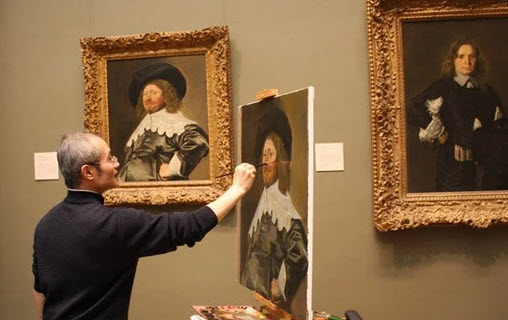
For centuries, artists learned by studying and copying other artists. Apprentices worked in the studios of masters, repeating techniques and forms until they became second nature. Potters learned vessel shapes handed down through generations. Quiltmakers shared patterns. Icon painters followed established traditions. Folk artists learned from parents, neighbors, and communities. In many cultures, mastery was measured not by inventing something entirely new but by carrying a tradition forward with skill, care, and personal expression.
Art has always been a conversation.
One of my favorite books, Steal Like an Artist by Austin Kleon, explores this idea beautifully. His central premise is simple: nothing comes from nowhere. Every artist is influenced by what came before—books, teachers, music, museums, memories, landscapes, family stories, and the work of other makers.
The goal is not to avoid influence. The goal is to transform it.
As a collage artist, I’ve always found this reassuring. Much of my work is literally assembled from pieces created by other people: vintage photographs, old letters, dictionary pages, maps, scraps of paper, fragments of images. I am borrowing materials that already have a history and a life of their own.
Yet no one would mistake the finished collage for the work of the people who originally created those fragments.
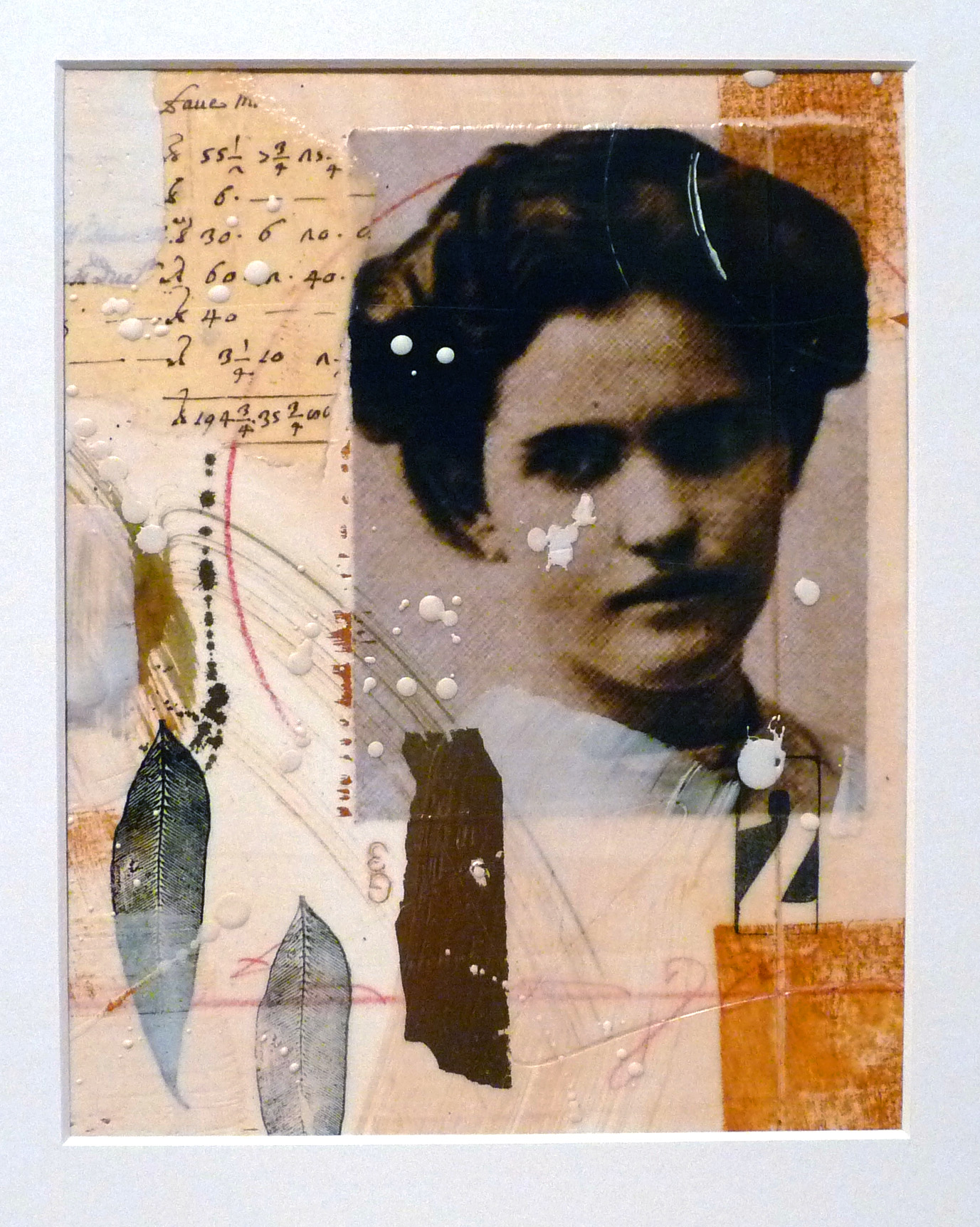
Something happens in the act of choosing. Something happens in the arrangement. Something happens in the relationships that emerge between the pieces. The transformation becomes the art.
Perhaps all creativity works this way. We gather influences, experiences, techniques, stories, and materials. We carry them around for years, often without realizing it. Then, when we make something, those influences combine with our own questions, memories, instincts, and choices. The result may contain traces of many ancestors, but it bears our fingerprints.
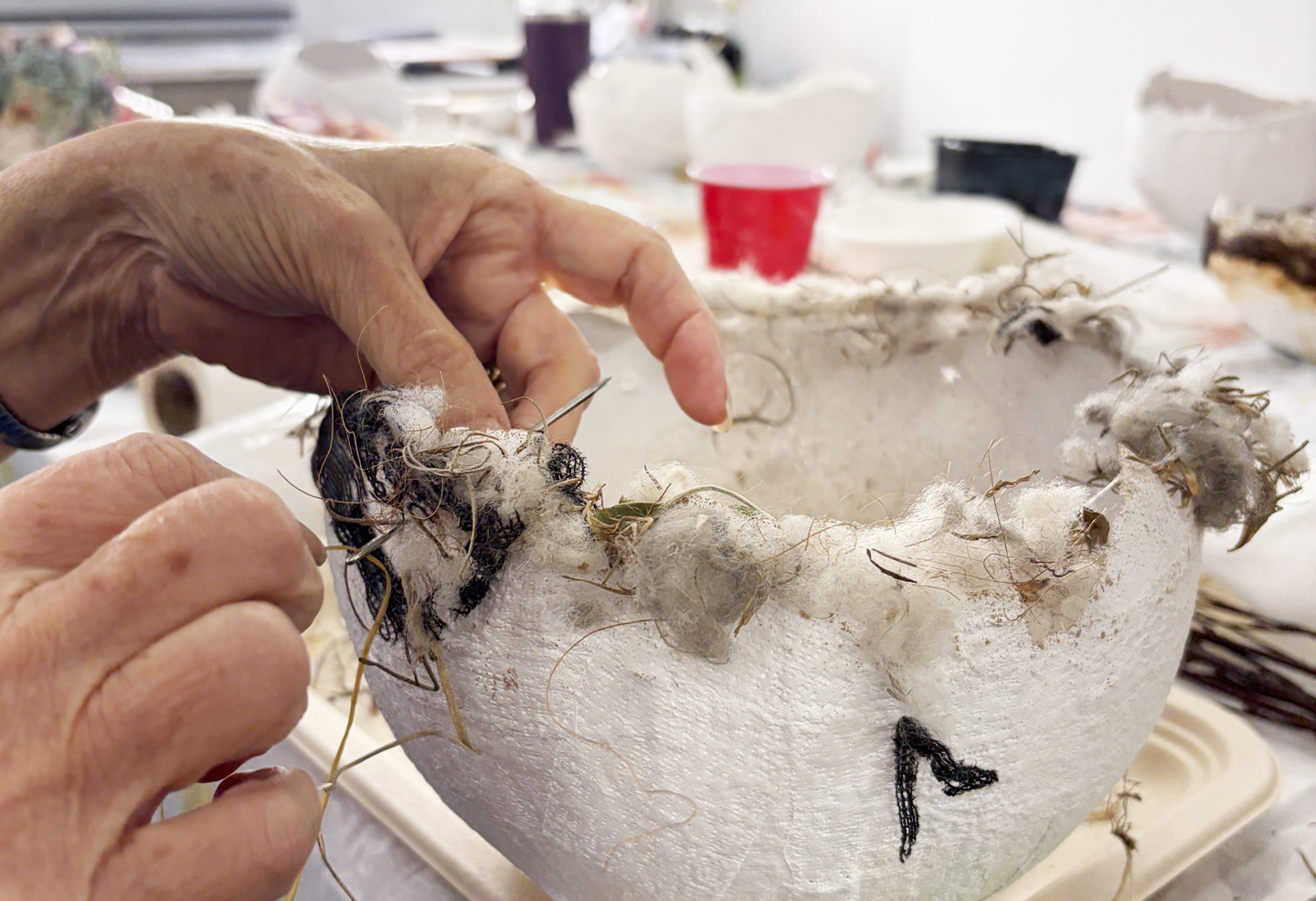
I often think about this when I work with found objects. A rusty piece of metal, a worn photograph, a fragment of cloth, an old clay face—none of these began with me. They come carrying their own histories. My role is not to erase those histories but to bring them into conversation with one another, creating a new narrative from what already exists.
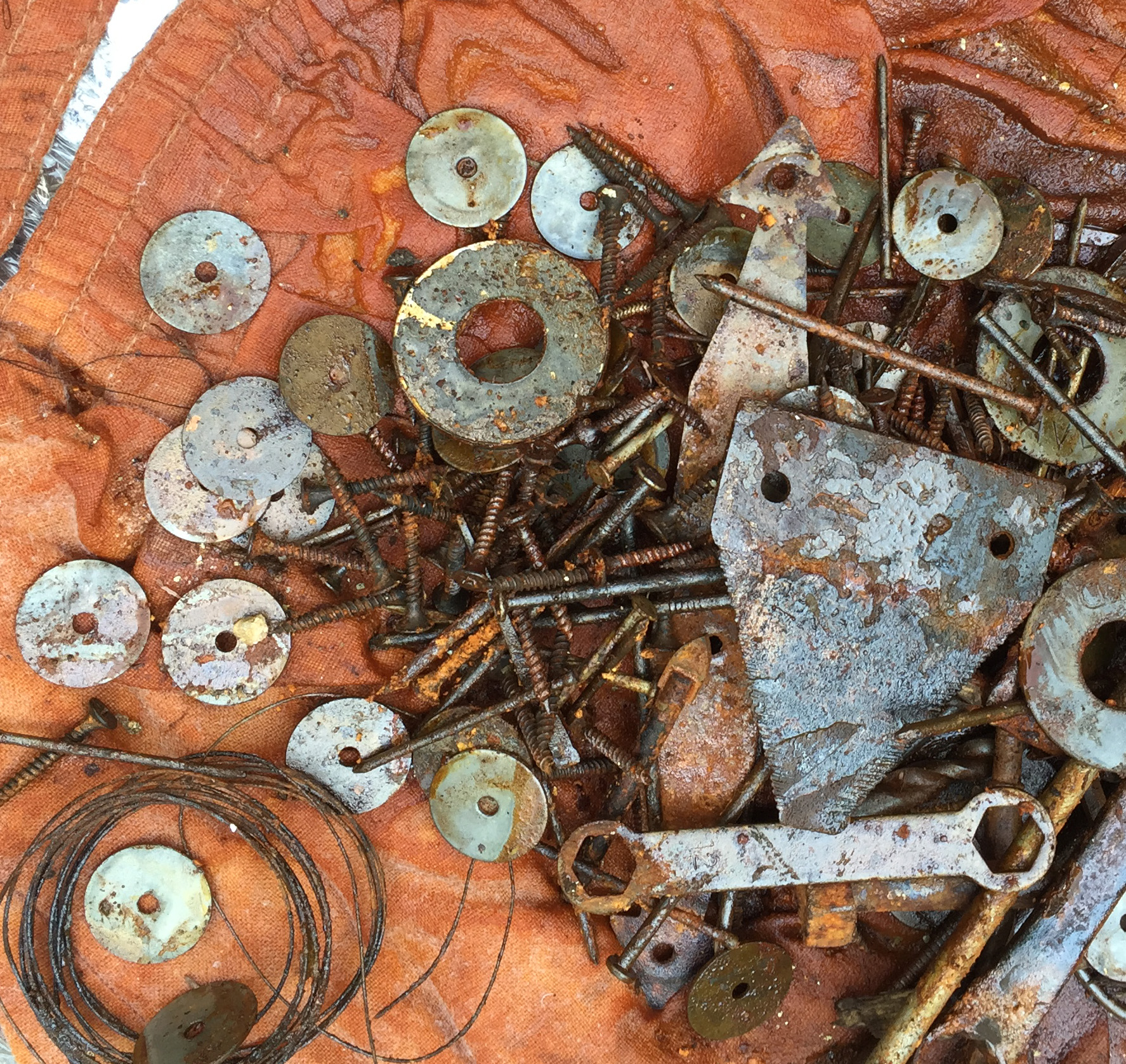
The same is true of artistic traditions. We don’t stand outside history. We stand within it. Every vessel has ancestors. Every collage has ancestors. Every poem, quilt, painting, assemblage, and song has ancestors.
And perhaps that is exactly what gives art its richness. We are connected not only to our own ideas but to a long lineage of makers who have wrestled with the same questions of beauty, meaning, memory, and expression.
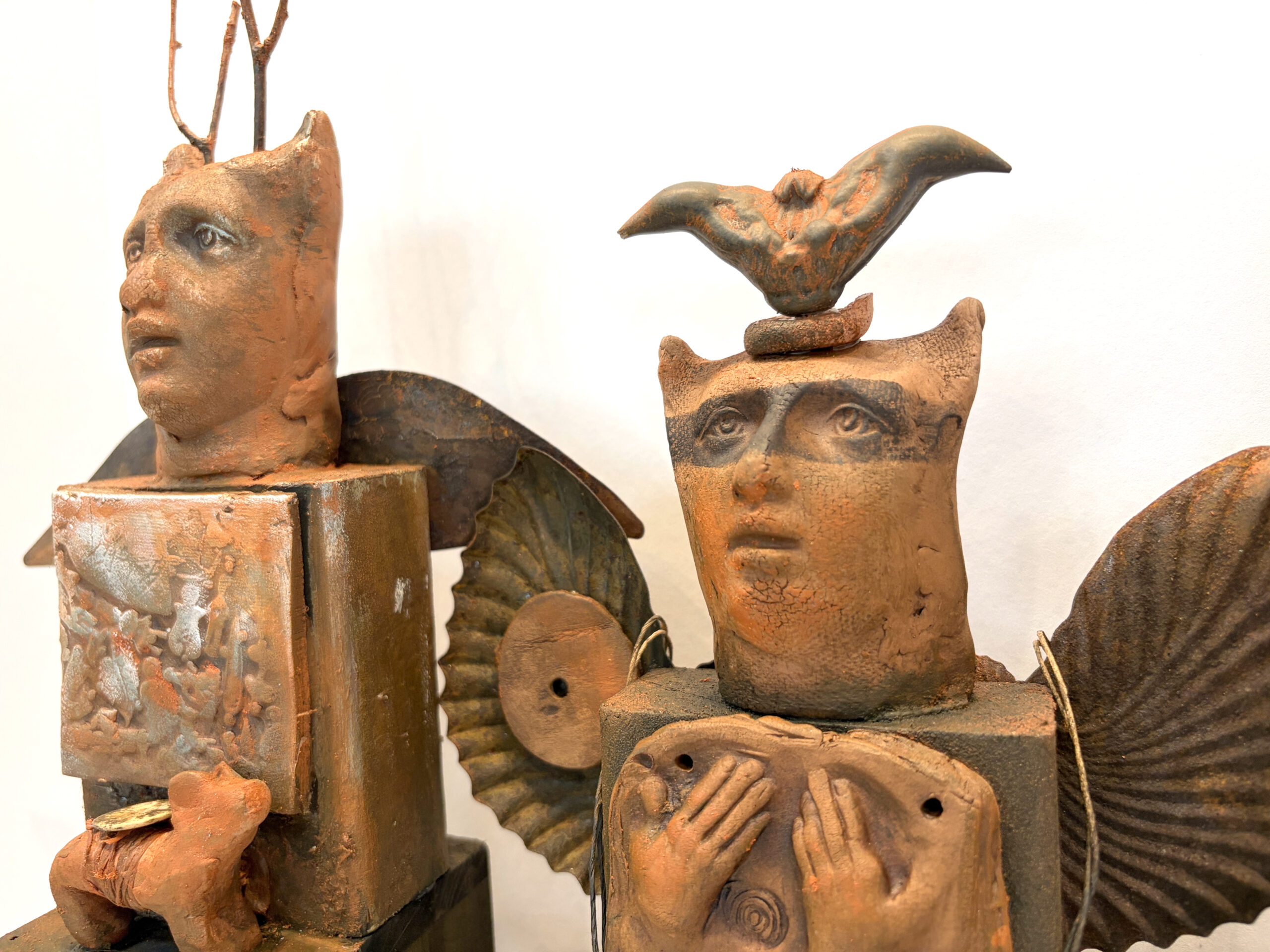
So what about that workshop piece? My answer is simple: yes, of course.
(Naturally, creating a direct copy of an instructor’s work is a different matter; transformation begins when the artist moves beyond imitation and allows the work to be shaped by their own questions, experiences, materials, and imagination.)
A workshop can provide a prompt, a technique, a starting point, or an invitation to explore. But what happens next belongs to the artist. The choices you make, the discoveries you uncover, the meaning you bring to the work—those are yours alone.
Originality is not the absence of influence. It is the presence of transformation.
Everything comes from somewhere. Every artwork has ancestors. The question is not whether your work was influenced by others.The question is what happened when those influences passed through your hands. I’d love to know your thoughts on this subject.
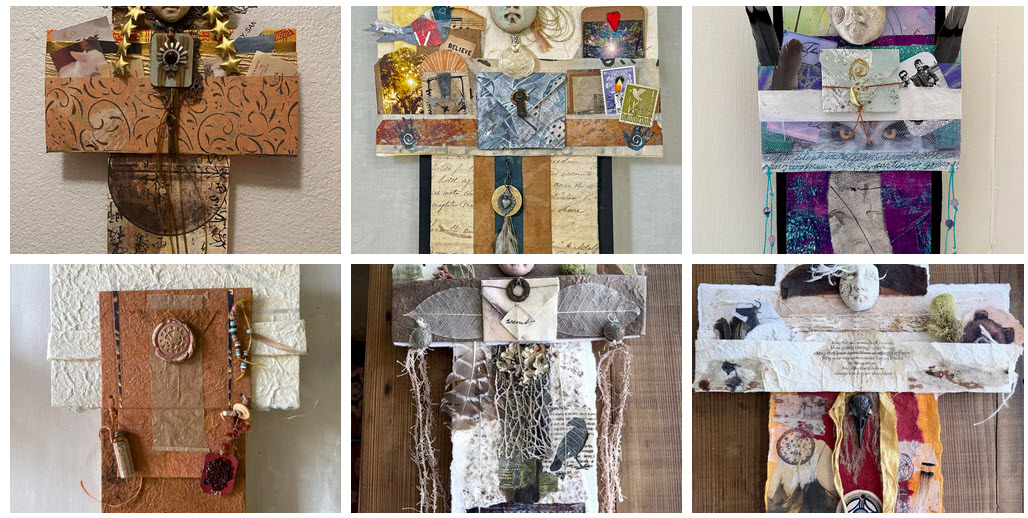
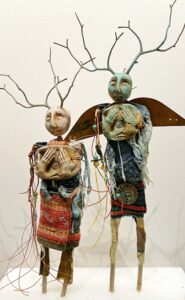
And by the way, one of the joys of teaching is seeing how differently artists interpret the same starting point. If you’d like to see this idea in action, visit the new Objects of Devotion Gallery and explore the many interpretations of The Keeper of Fragments. Each piece shares an ancestor, but every one tells a different story.
And if you’ve taken an Objects of Devotion workshop and want to share, here’s the link.
♥Lyn