From Studio to Printed Page: The Vessel Alchemy Catalog

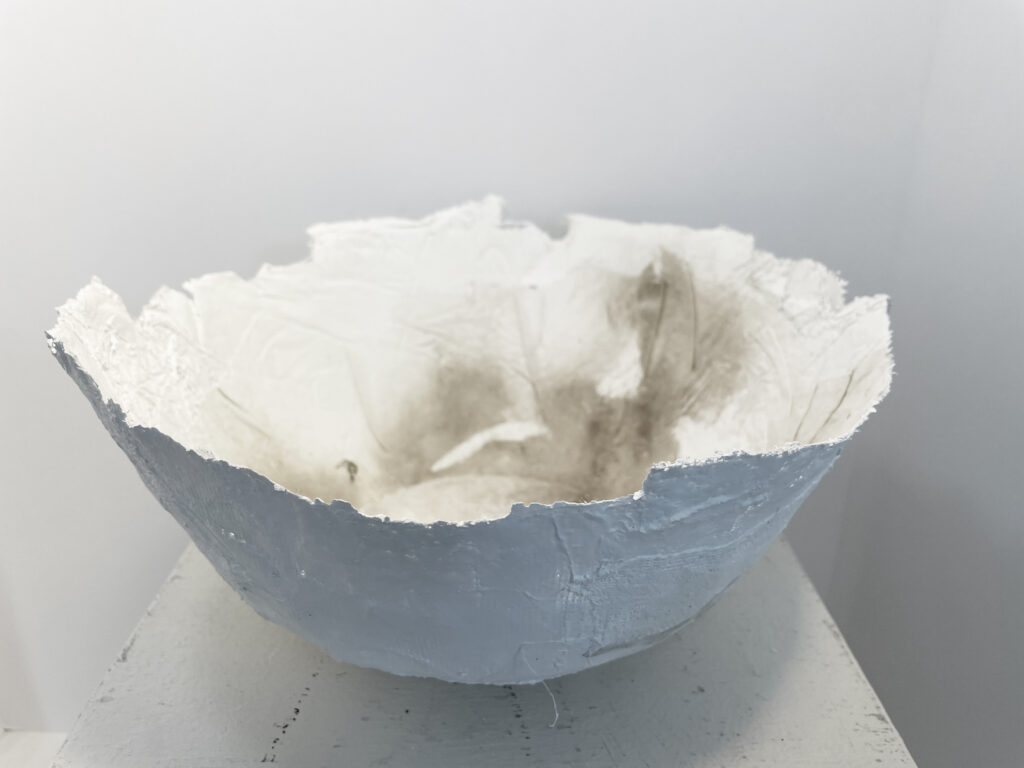
The space inside the vessel
is not absence —
it is invitation.

I am genuinely delighted to share this catalog of my students’ work from last week’s Vessel Alchemy workshops. Each time I teach, I am reminded that learning moves in both directions. My students bring courage, curiosity, humor, tenderness, and insight to the table — and I leave each session changed by what they discover.

What follows in this post are a few reflections and observations about this collection of vessels — forms that began as simple structures and became layered, personal, and deeply expressive works. At the end of this post, you’ll find a link to view the complete catalog as a flipbook, where you can explore the entire collection in sequence.

First observation: When I first began teaching vessel workshops in Ireland three years ago, I noticed a shift in purpose. Students were not simply building forms that could hold something — they were building forms that already held something. The vessels were not empty containers waiting to be filled; they arrived filled. Words were tucked into scrolls. Fragments of memory were embedded in plaster. A scrap of handwriting, a small relic, a suggestion of something once carried — each vessel became a small assemblage, a layered narrative.

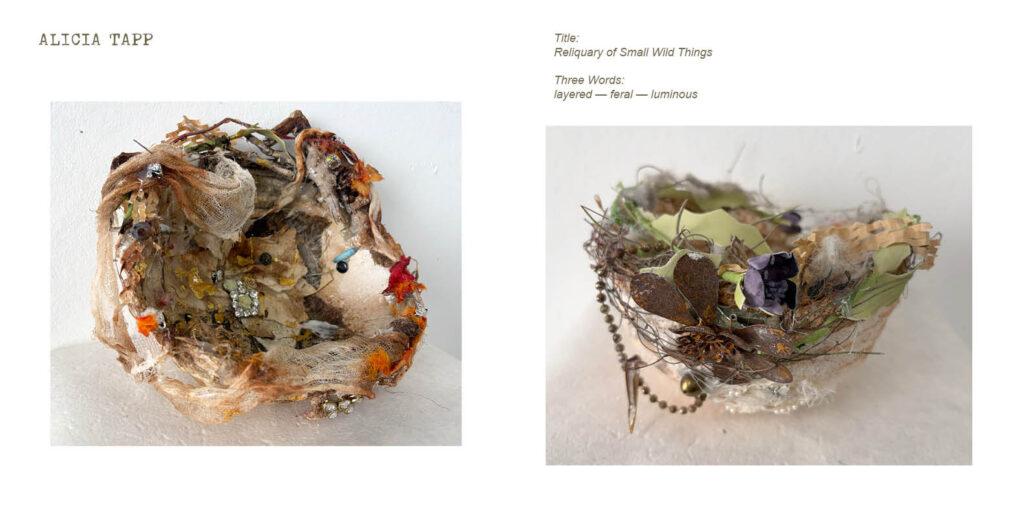
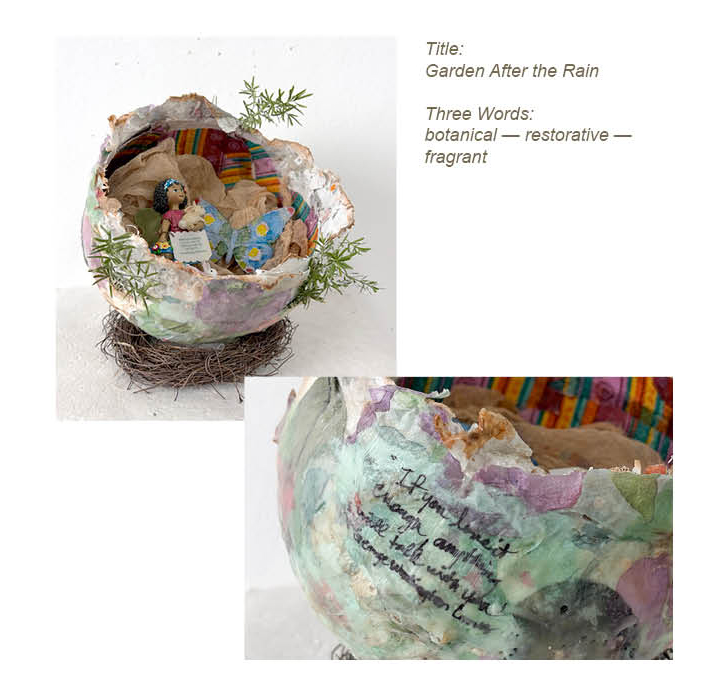
The vessel, in other words, became less about function and more about meaning. It became a site of gathering — of memory, of language, of intention. Even the simplest forms carried interior lives. You can see so much of this is our new catalog for the Vessels Alchemy class.

Secondly, when I began assembling the catalog, I took a small liberty. As I laid out the pages and lived with each photograph, I found myself responding to the pieces as a viewer as well as a teacher. So I gave each vessel a title — and three words that, to my eye, seemed to describe its spirit. I claimed this as a prerogative of the teacher :). Not to define the work, but to honor how it spoke to me.

It felt fitting. If vessels can hold memory and meaning, they can also hold interpretation.

As you turn the pages of the catalog, I hope you find sparks of inspiration not just for making vessels, but for discovering what creativity means in all its many forms — and that this journey invites you into your own act of making, curious and wholehearted.

CATALOG LINK

So many thanks to the students for sharing their narratives and creative skills!

The Language of Holding: Student Work from the Workshop

This is Part One of a two-part reflection on our weekend workshop,  Vessel Alchemy: Tactile Poems in Fiber, Paper, Word, Light. Next week, I’ll share more vessels — and more of the words they are quietly holding.

This past weekend weekend, as I walked around the Droste Studio at UTSA/SW watching the students work, I found myself truly astonished.

Not just at the craftsmanship — though there was plenty of that. Careful joins. Thoughtful armatures. Fibers handled with restraint. Plaster edges left raw but intentional. Stitches placed where they mattered. Nothing hurried. Nothing ornamental without purpose.

What moved me even more deeply was the respect for the materials. These students did not force sticks to behave unnaturally. They allowed cheesecloth to fray. They let paper tear along its own logic. They treated wax, fiber, wood, and found objects as collaborators rather than supplies. There is a joy in that kind of making.
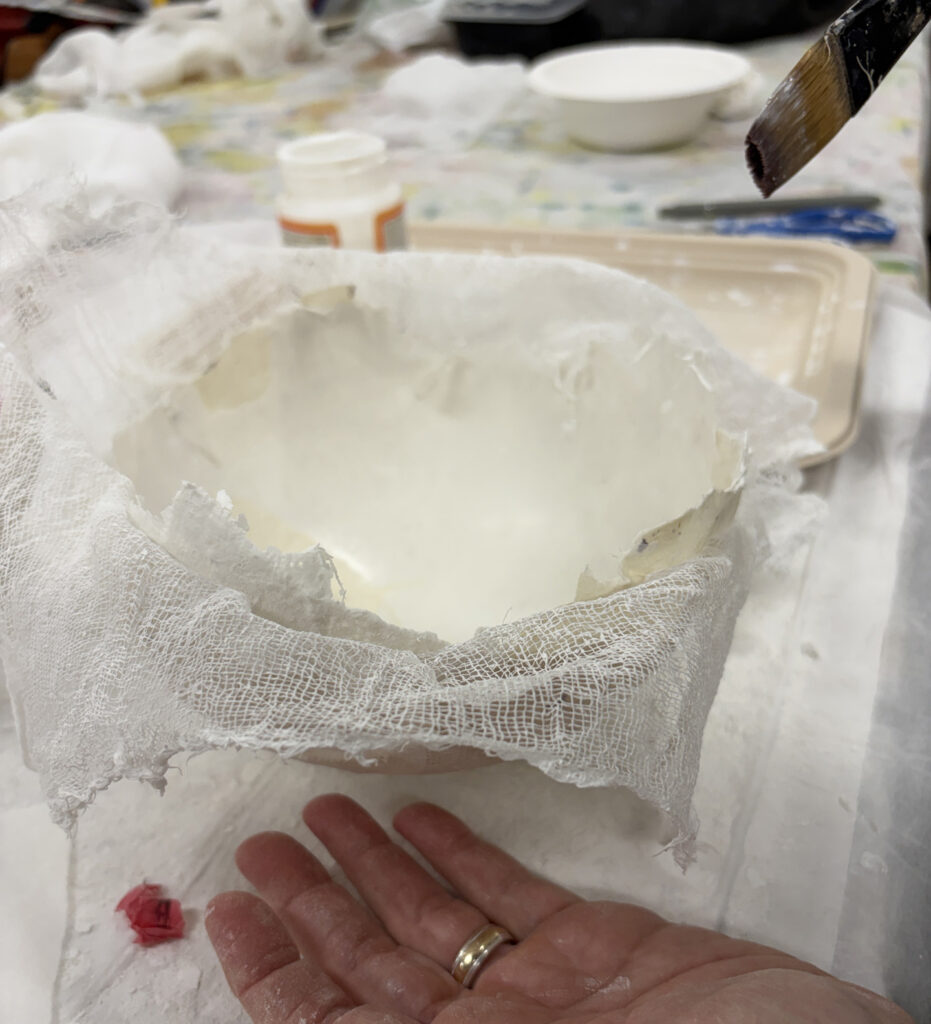
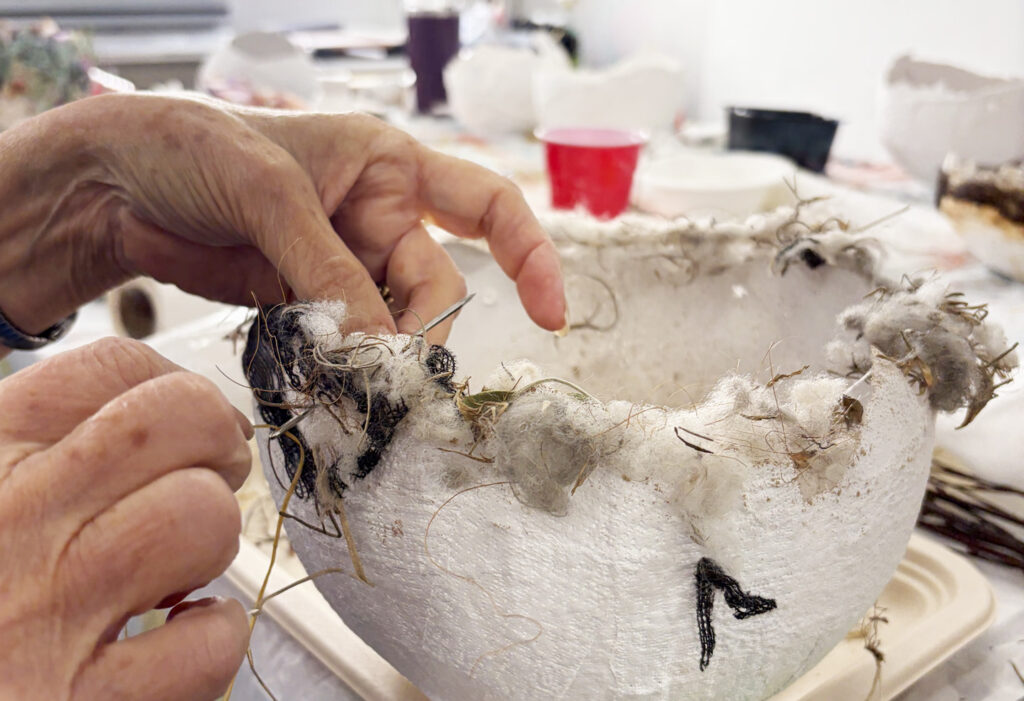
But what truly stopped me was their understanding of language.

  • They understood — instinctively — that words do not merely decorate a vessel.
    They define it.
    They anchor it.
    They release it.

They grasped that words can be embedded like relics, stitched like mending, burned like memory, or inscribed along the interior curve of a bowl. They understood that a vessel does not simply hold words — it is shaped by them.

Here are three examples that I’ve tried to describe with words that mean more than size, shape, and color:


The Interior Script: A Bowl That Remembers
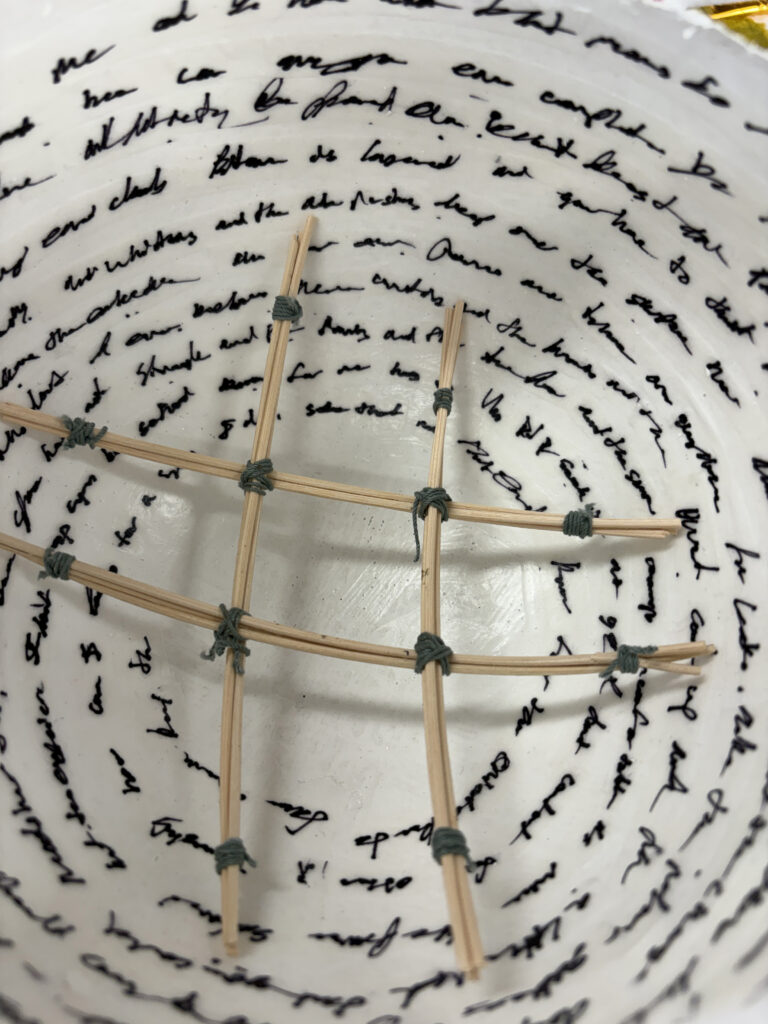
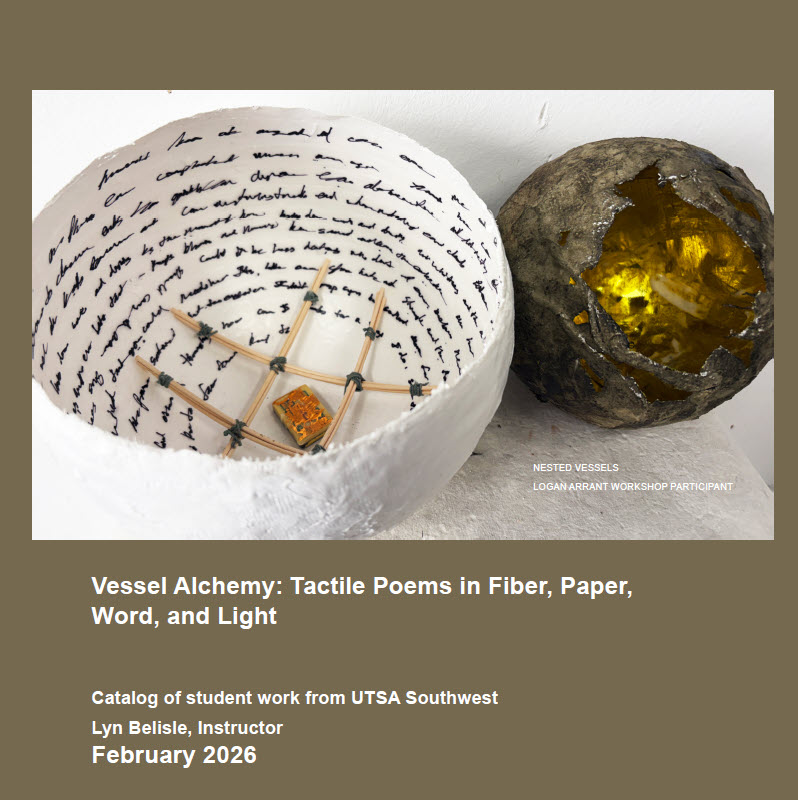
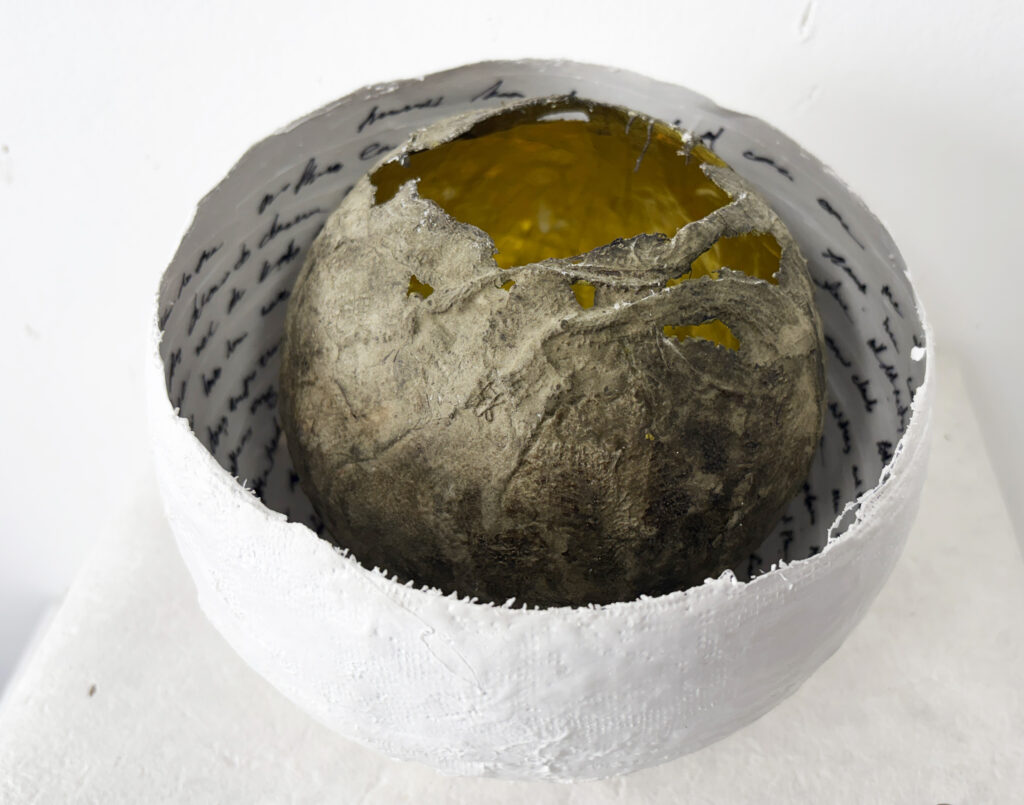
One student (Logan) lined the inside of his vessel with concentric, handwritten text. The words spiral inward, like thought itself. Over this interior landscape rests a simple lattice of thin wooden sticks, bound gently with gray thread — a structure that feels protective, almost like ribs. Actually, it cradles a second structure that fits inside this one like a Russian doll! I’ll show you that picture later.

The vessel invokes words like:

  • remember
    contain
    listen
    underneath
    crossing

The spiral script suggests that meaning accumulates over time, layer upon layer, sentence upon sentence. The wooden lattice feels like a quiet restraint — or perhaps a trellis. The words are both sheltered and structured. The vessel becomes a meditation on interior life. Here is the vessel with its nested second vessel – the scrip becomes secret language. The second vessel is lined with gold joss paper. Breathtaking!

The Furrowed Edge: A Vessel of Shelter and Weather
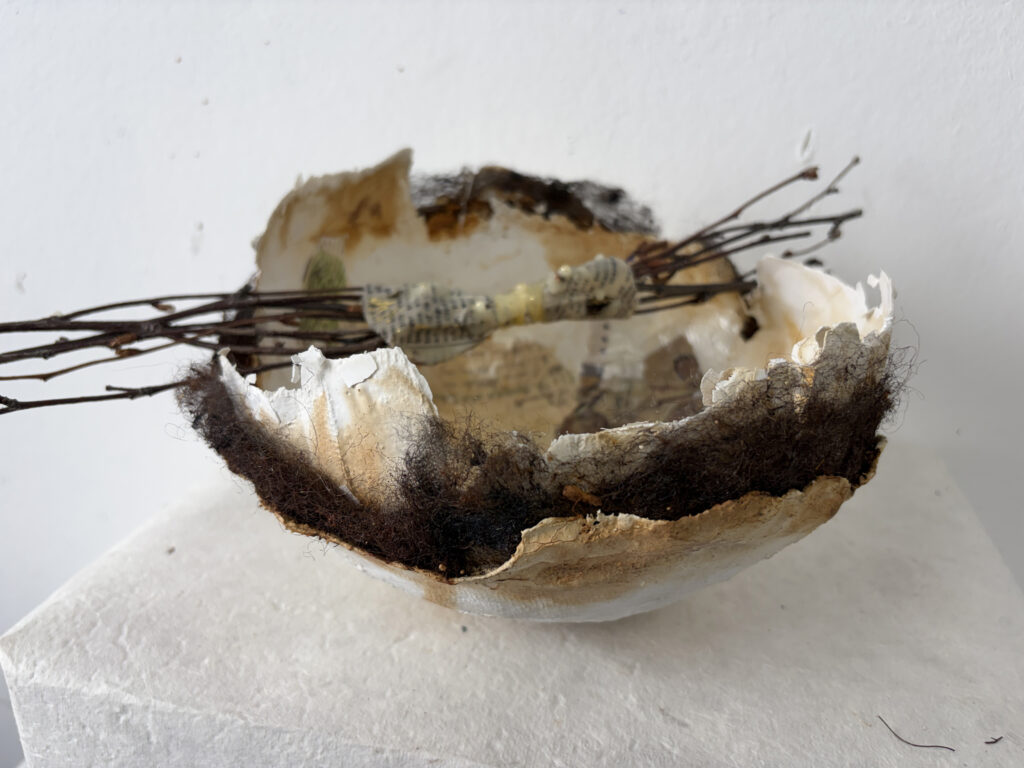
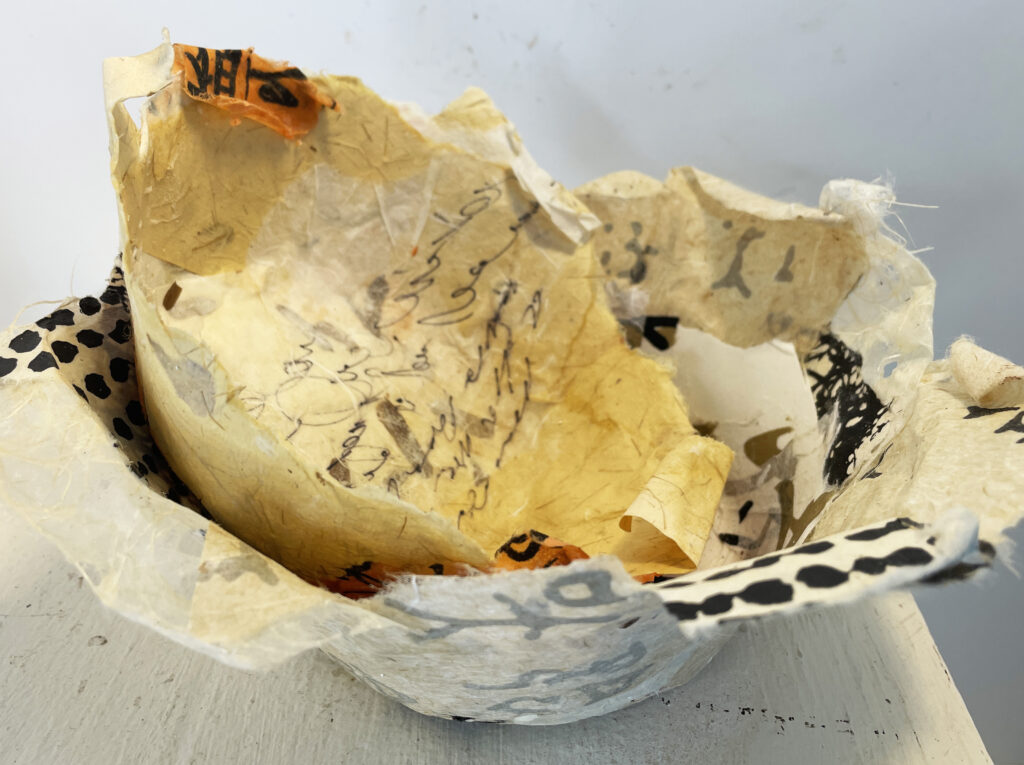
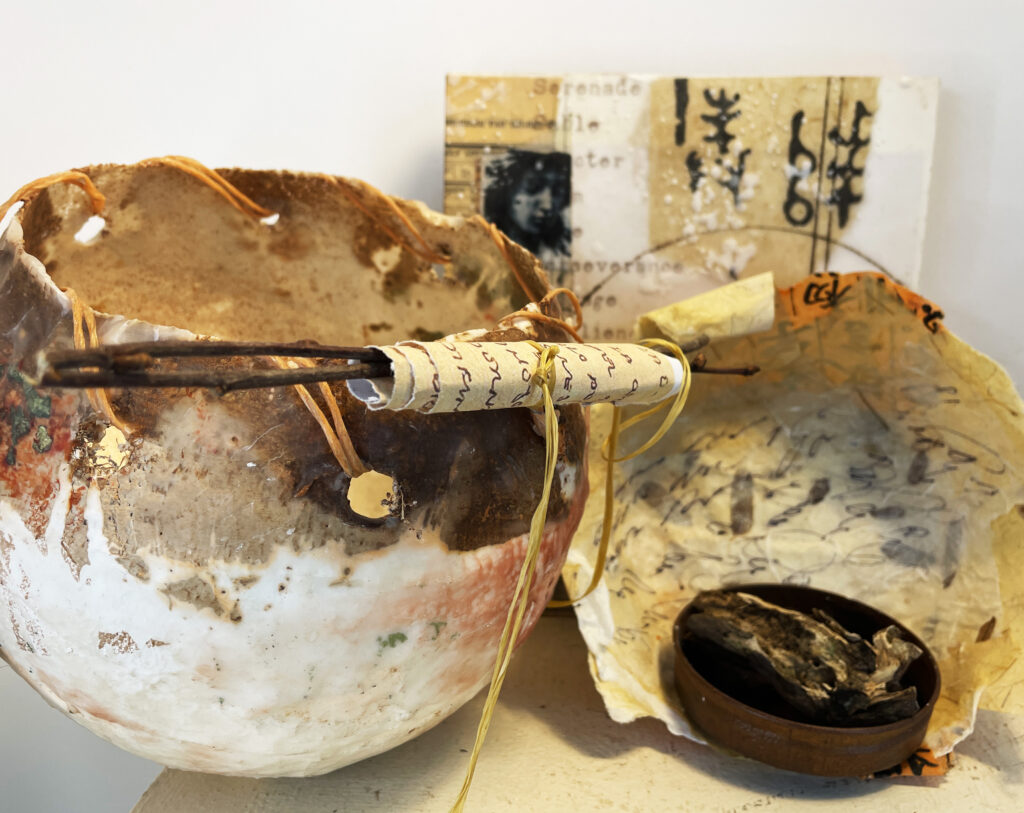
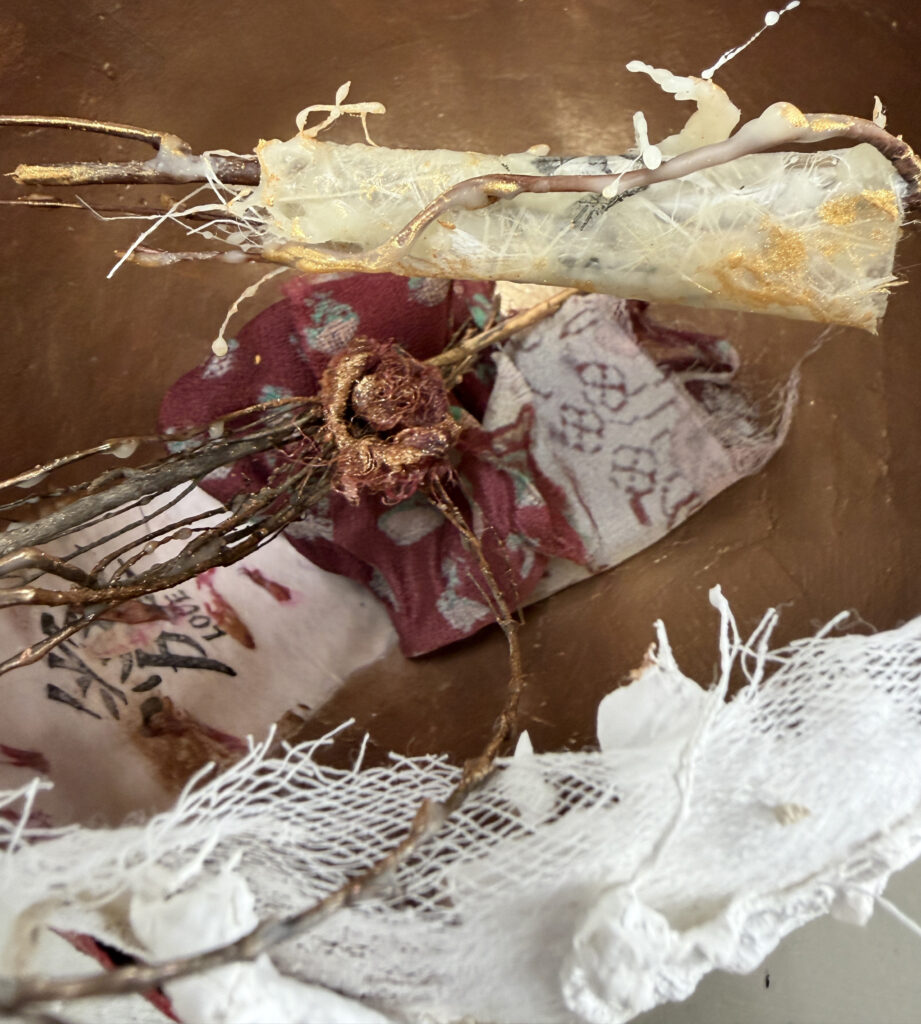
Another student (Carol) created a bowl with torn, irregular edges, rimmed in dark fiber that reads almost like char or earth. Across its opening stretches a small bundle of paper and twigs — bound, weathered, fragile.

This vessel calls forth words like:

  • weathered
    threshold
    endurance
    tenderness
    scar

The torn plaster edge feels vulnerable but deliberate. The dark fiber suggests something elemental — soil, ash, hair, memory. Can you guess what it is? The bound paper at the top feels like a message carried across a crossing. It is not pristine. It is honest. The vessel speaks of protection that has already been tested.

Two Vessels: What Opens / What Remains

These are two vessels created by Dawn, who made a total of five beautiful containers for her words and poems during the two days we were together.
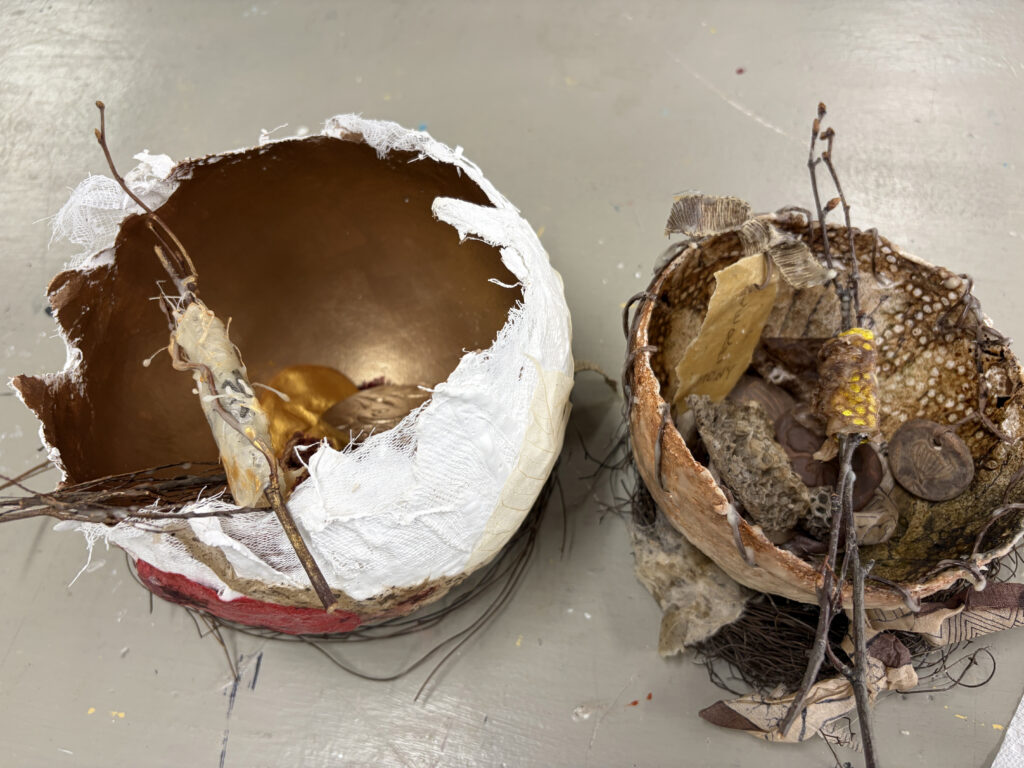
The Luminous Vessel (Left)

This one feels like a breath held and then released.

It evokes:

  • revelation
    offering
    interior light
    vulnerability
    threshold
    secret treasure

There is something tender about its torn white rim. The glowing interior suggests not wealth, but illumination — the kind of light discovered only after something cracks open. The twig-bound element across the top feels less like restraint and more like a blessing.

This vessel whispers:
What is hidden is not lost.
What is broken may be luminous.


The Earth Vessel (Right)

This one feels grounded, sedimentary, layered.

It evokes:

  • memory
    accumulation
    archive
    weathered
    gathered fragments
    ancestral
    talisman
    burial
    keeping
    endurance

The interior reads almost like an excavation — objects embedded, tucked, remembered. The textures feel archaeological. The upright slip of paper suggests a marker, a naming, a quiet declaration among relics.

This vessel’s words are:
Nothing is wasted.
What has been lived becomes structure.


Together

As a pair, they evoke:

light and earth
reveal and retain
blessing and burial
opening and holding
chapter and echo
same story, different hour

They feel like two movements in a single composition — one speaking of illumination, the other of preservation.

______________________________________________________

A final note for this first part – what I saw in these works was not just technique. It was comprehension.

The students understood that when we write inside a vessel, we are mapping an interior. When we bind sticks across an opening, we are negotiating protection and permeability. When we leave an edge torn, we are honoring imperfection rather than correcting it.

They were not simply making objects. They were making language visible. Visible poetry.

And maybe that is what we are always doing — whether with plaster or paper, ink or fiber. We are shaping containers for what matters. We are giving our unspoken words somewhere to rest.

Let’s hope we continue to make vessels that hold what needs holding — and release what no longer does. More to come next week!
Words as Vessels, Vessels as Words

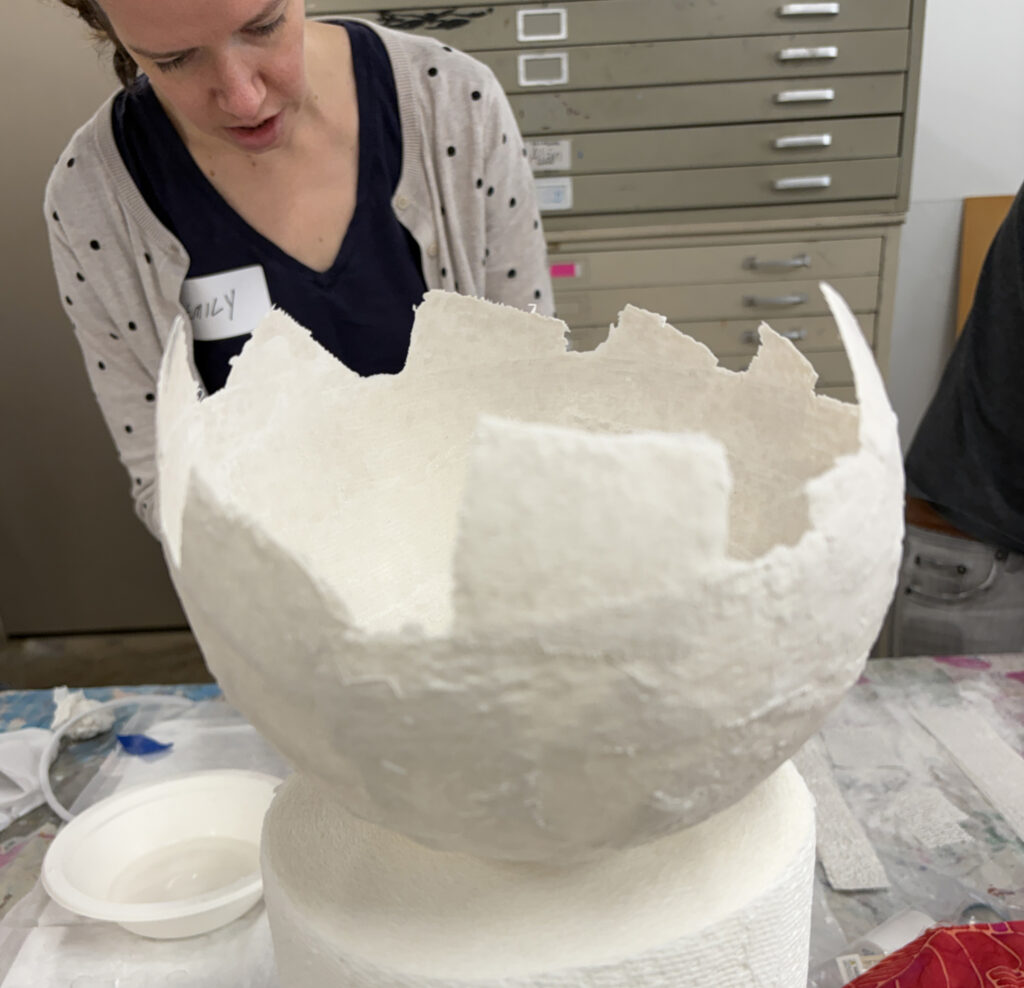
Valentine weekend will be fun for me – I’m teaching a new Vessels workshop at UTSA/SA.

“Vessel Alchemy: Tactile Poems in Fiber, Paper, Word, and Light”In this immersive workshop, we’ll explore how simple materials—sticks, cheesecloth, mulberry paper, fiber scraps, ink — can be transformed into poetic vessels that speak to memory, meaning, and the ephemeral.” 

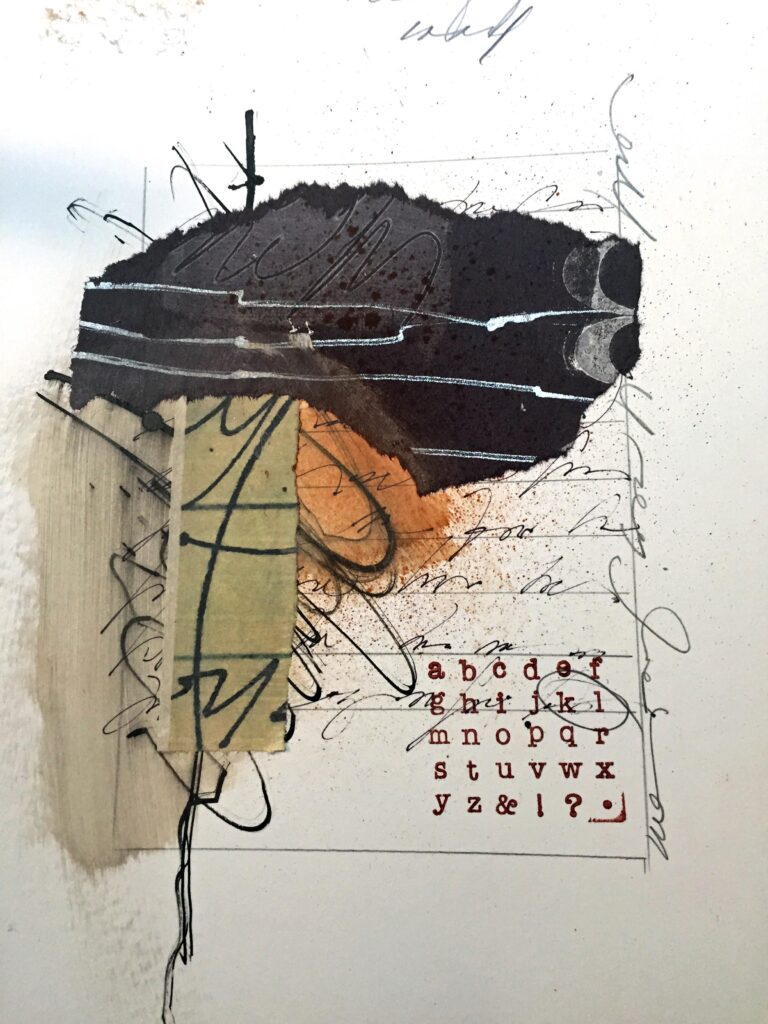
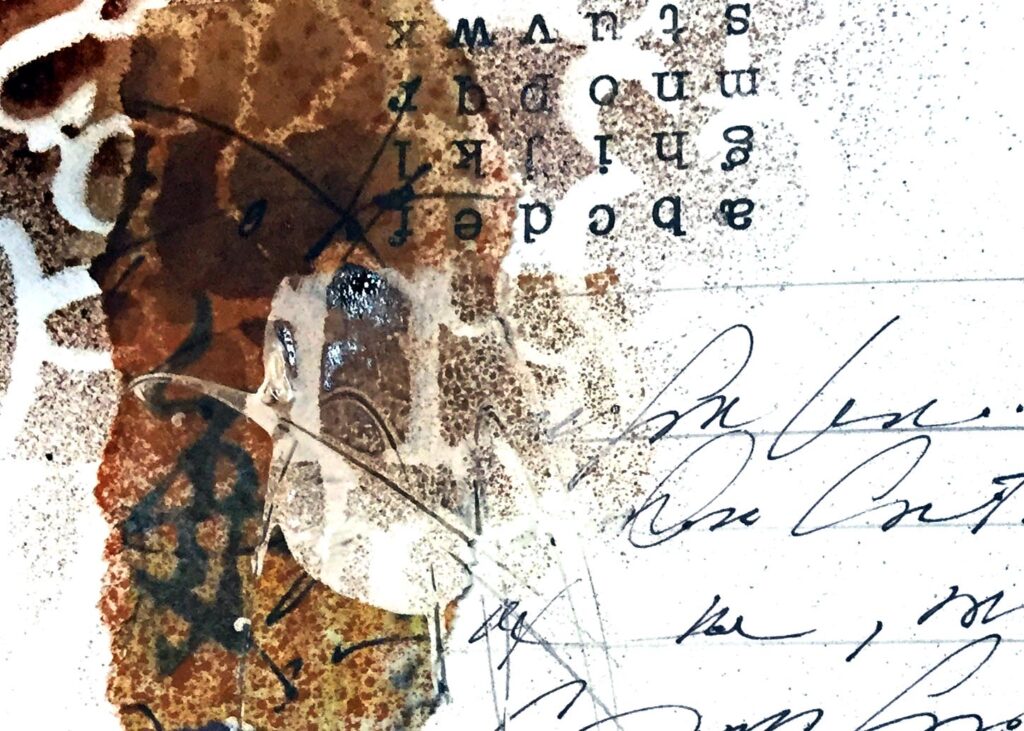
As I’ve been preparing for this workshop, I’ve found myself thinking less about techniques and materials and more about what, exactly, we are making room for. I’ve been gathering sticks, paper, fiber, cheesecloth, ink—simple things—but alongside them, I’ve been gathering words. Not lists or instructions, but the kind of words that hover quietly in the background: hold, carry, contain, remember.

Planning the workshop has reminded me that vessels are never only about form. They are about intention. They exist because there is something we want to keep safe, transport, offer, or remember. And somewhere in that realization, it became clear why words so often find their way into my vessel work.

Words and vessels share the same essential function: they are containers.

A single word can carry astonishing weight. Think of words like home, empty, threshold, tenacity. These are not tidy definitions. They are dense with lived experience, layered with personal and collective history. Over time, they gather residue—who spoke them, who heard them, who needed them. A word becomes a place we return to, again and again, to see what has changed. Echo. Imprint. Signature.

Vessels work in much the same way. A bowl is never just a bowl. It holds what we place inside it, but also what it has held before—food, offerings, tools, fragments, ashes. Its shape remembers use. Its surface records touch. Even when empty, a vessel is never truly vacant.

When I place words inside a vessel—stitched, written, rolled up, partially obscured—I’m not asking them to explain anything. I’m giving them a physical body, a structure that can hold their weight.

This is why I’m drawn to fragments rather than sentences. A single word doesn’t close a story—it opens one. It invites the viewer to bring their own associations, their own memory, their own interior language. The vessel doesn’t dictate; it listens.

What’s the saddest word you can think of? What’s the most beautiful word?
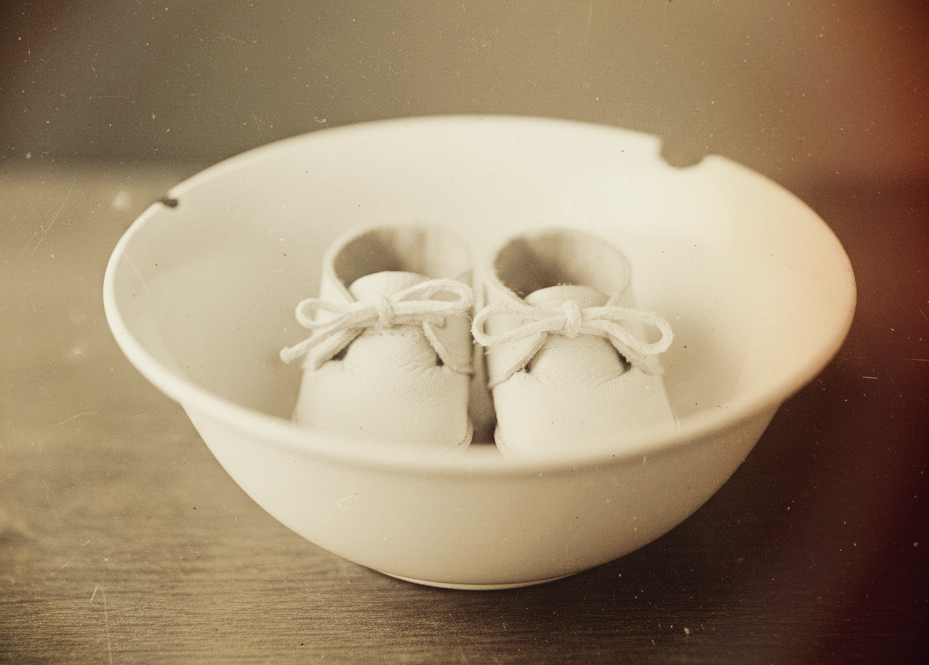
Sometimes they are the same word, depending on when you return to them. Ernest Hemingway wrote an entire short story with just six words: “For sale: baby shoes, never worn.” A handful of words conjure an entire life we can never step into.

I’m planning lessons about making vessels with words and verses, but I’m aware that what we’re really doing is learning how to listen—to materials, to memory, to language itself. We don’t pour meaning into words so much as discover what they already hold.

This is where the alchemy happens. A word becomes a container. A vessel becomes a sentence. 

Choose one word –
It might be the saddest word you know.
Or the funniest.
Or the most beautiful.
. . .it will pop into the front of your mind.

Write it down.

Now sit with it for a moment—not to define it, but to enter it.
Ask yourself:

  • When did this word first matter to me?

  • Why has it appeared again, unexpectedly?

  • What does it hold now that it didn’t before?

Notice how the word has changed—not on the page, but in you.
How it carries memory, feeling, and time, all at once.

You don’t need to explain it.
You don’t need to share it.

Just notice how a single word can become a place you return to—
and how each return leaves it slightly altered,
packed with that particular weight we call meaning.

Encantos: When the Work Speaks Back

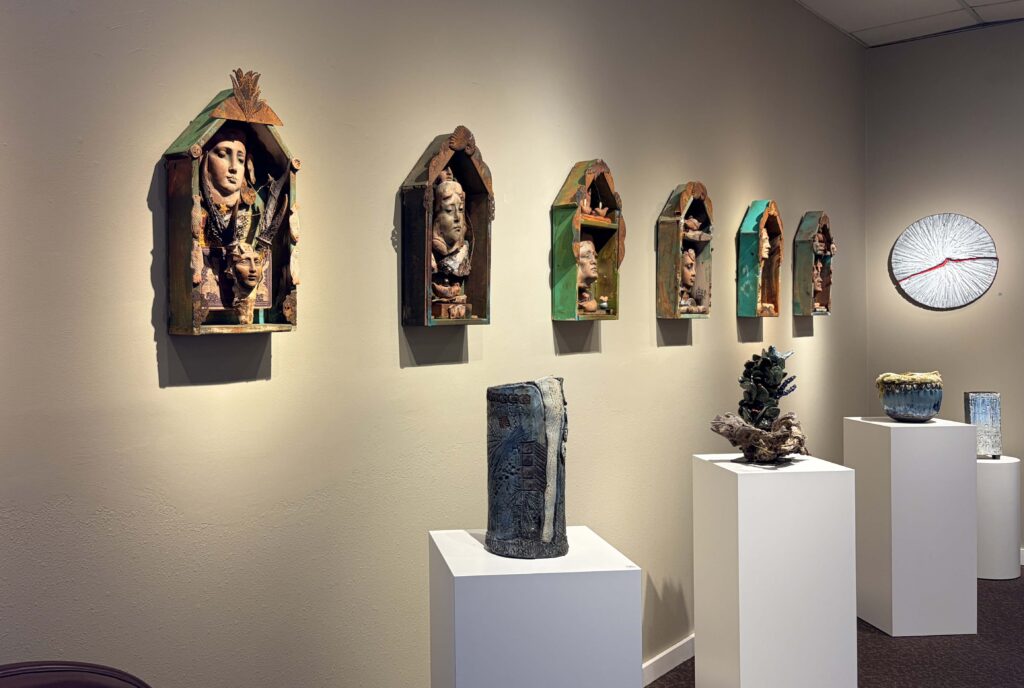
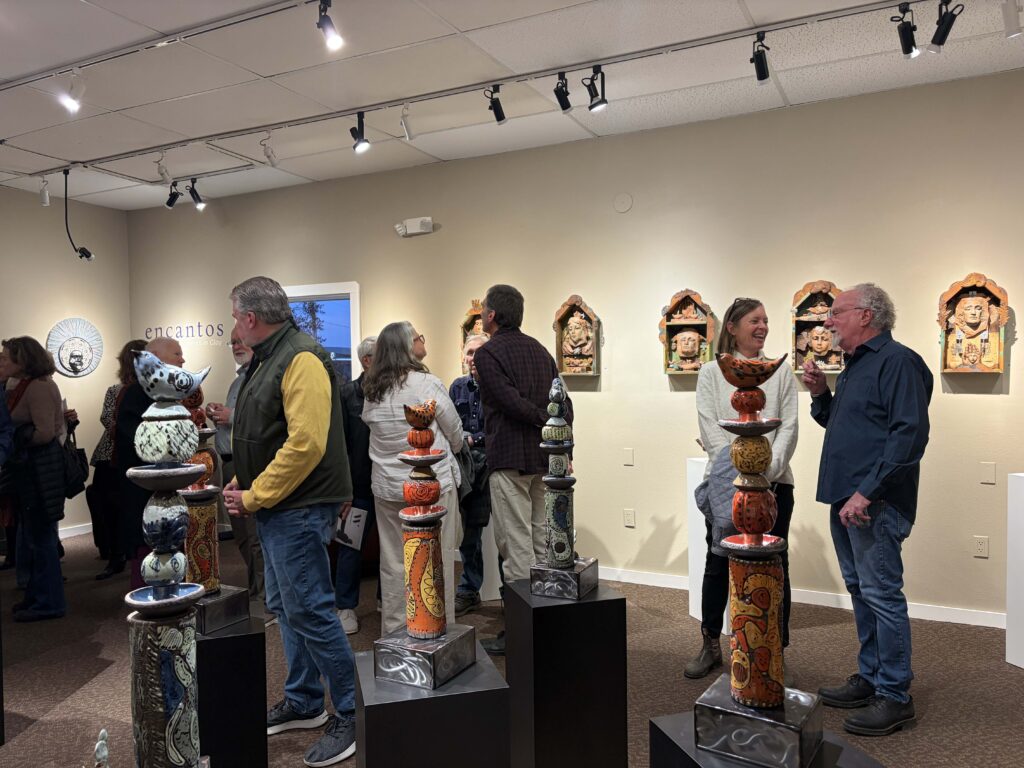
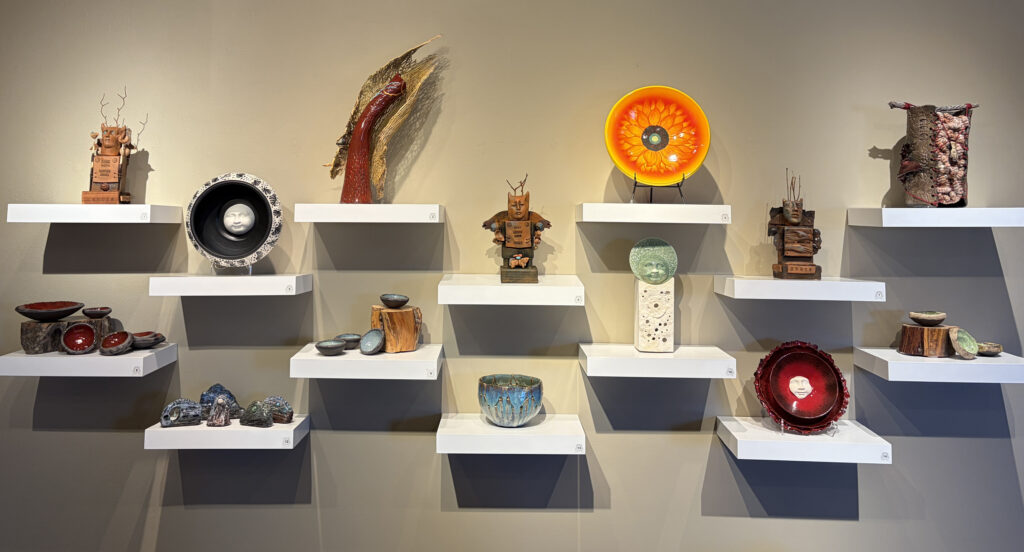
I just returned home from Taos and the opening of our Encantos Exhibition at the Taos Ceramics Center with fellow artists Linda Manning and Virginia and Andy Bally.

I’m still processing the experience. There’s a particular kind of moment at an exhibition opening that feels both exhilarating and disorienting—the moment when the work leaves your hands and begins its own conversations.

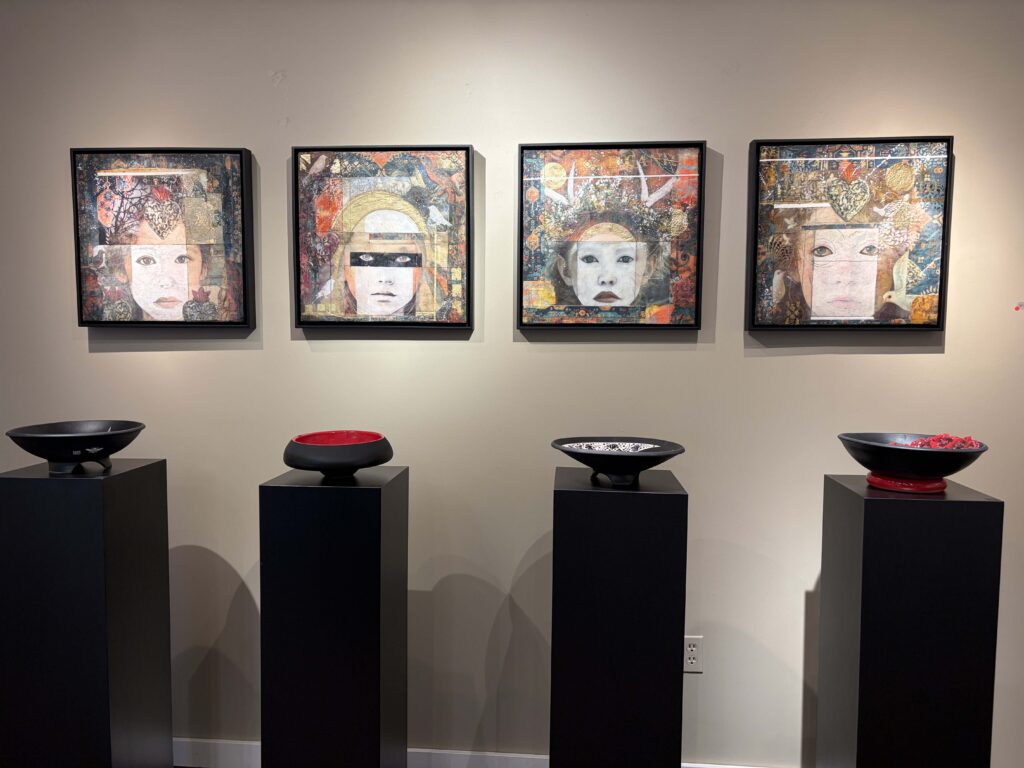
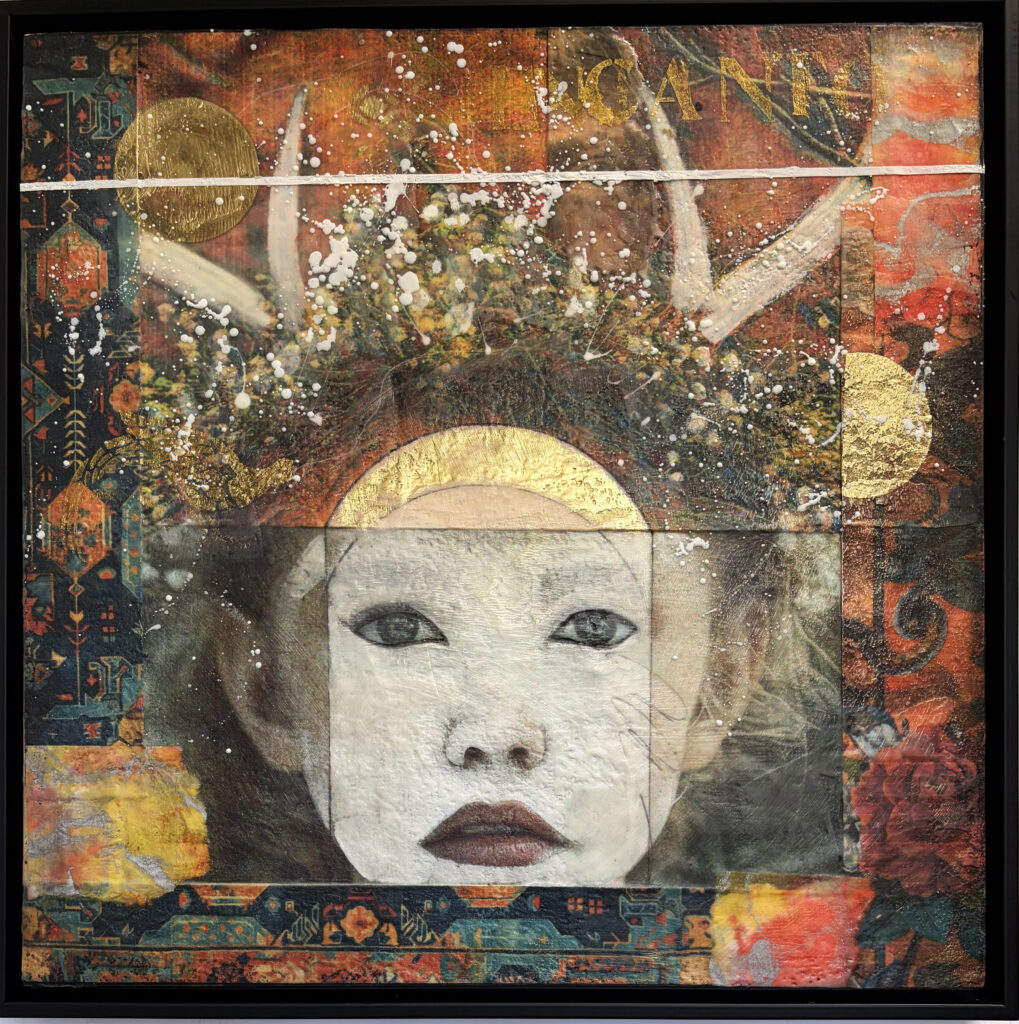
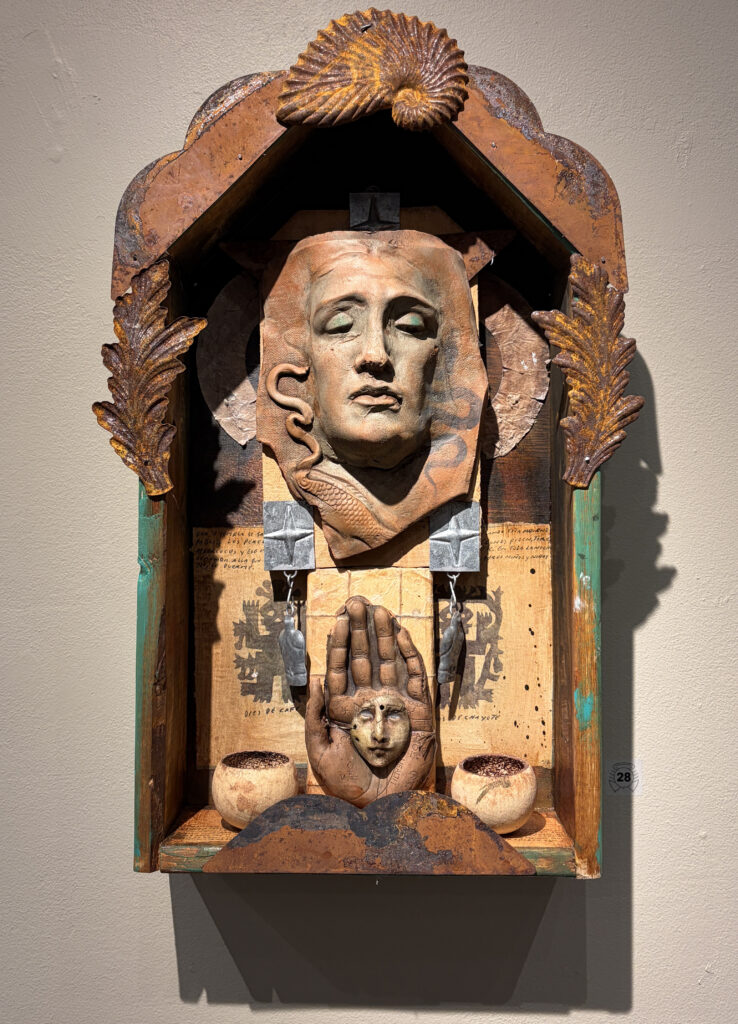
At the opening, that moment arrived quickly and unexpectedly. Within a short time, all four of the Santa Niña collages (below) had sold.

These were not the pieces I assumed would lead the way. I loved them, of course—but I hadn’t predicted they would be the first to be claimed. It felt less like a market response and more like recognition, as if those works had been waiting for the right room, the right eyes, the right moment to step forward.

That surprise relaxed me. It loosened and changed my expectations and opened me to the evening in a different way.

What followed was not just an opening, but a long, layered exchange—one conversation flowing into another. People asked thoughtful questions about symbolism, materials, saints and fragments, memory and devotion. I spoke about the work more than I usually do, and perhaps more openly. But just as important, I listened. I asked others about their work—their processes, their obsessions, the stories that quietly fuel what they make. And I learned so much.

There’s a misconception that openings are about standing beside your work and explaining it, as if clarity were the goal. But what struck me that night was how much richer the experience became when explanation turned into dialogue.

When I asked, “What are you working on?” or “What draws you to this?” the room shifted.

  • Artists spoke about uncertainty, about being mid-question, about following symbols they didn’t yet fully understand.
  • Two of my workshops students talked about the excitement of their new directions since we all worked together.
  • Collectors shared what they live with, what they notice over time, what stays with them years after a piece comes home.
  • An actor who “moved to Taos 55 years ago in the great hippie migration” shared with me his work on Samuel Beckett’s plays.
  • And my new friend, Japanese/American architect and master woodworker, Sam Takeuchi came up from Santa Fe to talk about portraits.

It reminded me that exhibitions aren’t endpoints—they’re crossings.

Still, I won’t pretend that speaking about one’s work comes easily. There is something inherently vulnerable about explaining art that is born from intuition, memory, and personal myth. Much of my work emerges before I have language for it. The words come later—sometimes much later. Standing in front of people and trying to translate that interior process can feel awkward, even frightening. There’s always the fear of saying too much, or not enough. Or sounding pretentious or too woo-woo.

But then something extraordinary happens. Someone listens closely. Someone nods. Someone offers a reflection that mirrors back what you were reaching for—sometimes in language clearer than your own. And in that moment, the work feels understood not because it’s been decoded, but because it’s been met.

What Encantos offered me was a renewed trust in that exchange. Trust that the work carries more than I consciously put into it. Trust that certain pieces know where they belong Trust that conversation—real conversation—is part of the creative process, not a distraction from it.

I left the opening feeling deeply grateful: for the collectors who welcomed the Santa Niñas into their homes; for the artists whose generosity and curiosity enriched the evening; for the reminder that meaning doesn’t arrive fully formed in the studio.It completes itself in relationship—through artists like Andre and Virginia Bally and Linda Manning, whose thoughtful, generous work completed the Encantos cosmology and transformed the exhibition into a shared experience.

Encantos, after all, is about enchantment—not as spectacle, but as recognition. The moment when something familiar suddenly reveals depth. The feeling that a fragment holds a story larger than itself—and that night, I understood that Encantos was not an ending, but a threshold toward a new direction.

Thanks for reading!