Colorado notes, part one – Carol and I visit Pueblo artist Karen Wallace

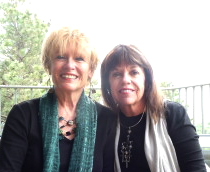
Carol and me in an earlier visit in the pursuit of art!
Carol and me in an earlier visit on our everlasting art quest 🙂

It never fails – every time I visit my dear friend Carol Mylar, I come home over-the-top inspired. Carol lives in Colorado Springs now, but we still share the same close ties in art and life as we did when we shared a studio on Queen Anne Street back in the 90’s. For example, we discovered we’d bought the same iPhone and the same iPhone case without knowing it – I’m sure you have friends like that, too – it’s kinda spooky but fun.

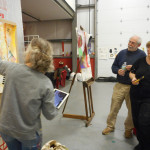
One of the best times we had during my short trip was a drive to Pueblo just south of the Springs to visit artist and writer Karen Wallace. Karen and I go back a very long way, but hadn’t seen each other in a few years. She’s amazing – her house, her life, her artwork are woven seamlessly into a fulfilling creative existence. You can get a glimpse of this in Karen’s book, Visions and Verse: Along the Path.

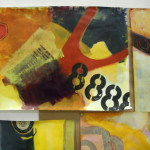
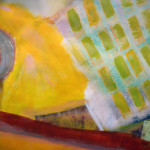
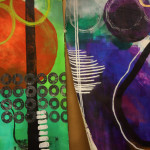
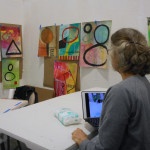
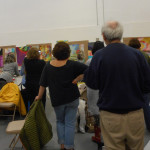
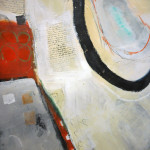
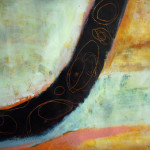
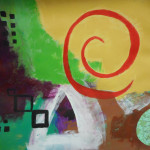
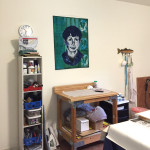
Karen lives in a small adobe casita that’s filled with her own art and that of friends, some nationally known painters. There are little altars and stories everywhere. Karen treated Carol and me to a lot of these stories before we went of for a lovely lunch in downtown Pueblo. It’s always so inspiring to see how other artist live and work – take a look at the home and studio of Karen Wallace (and her dog, Chamaya):


I’ll give a report on other parts of my Colorado trip soon, including the Georgia O’Keeffe show – too much for one post!


Back from Boston, and summer at the Studio

artwalk

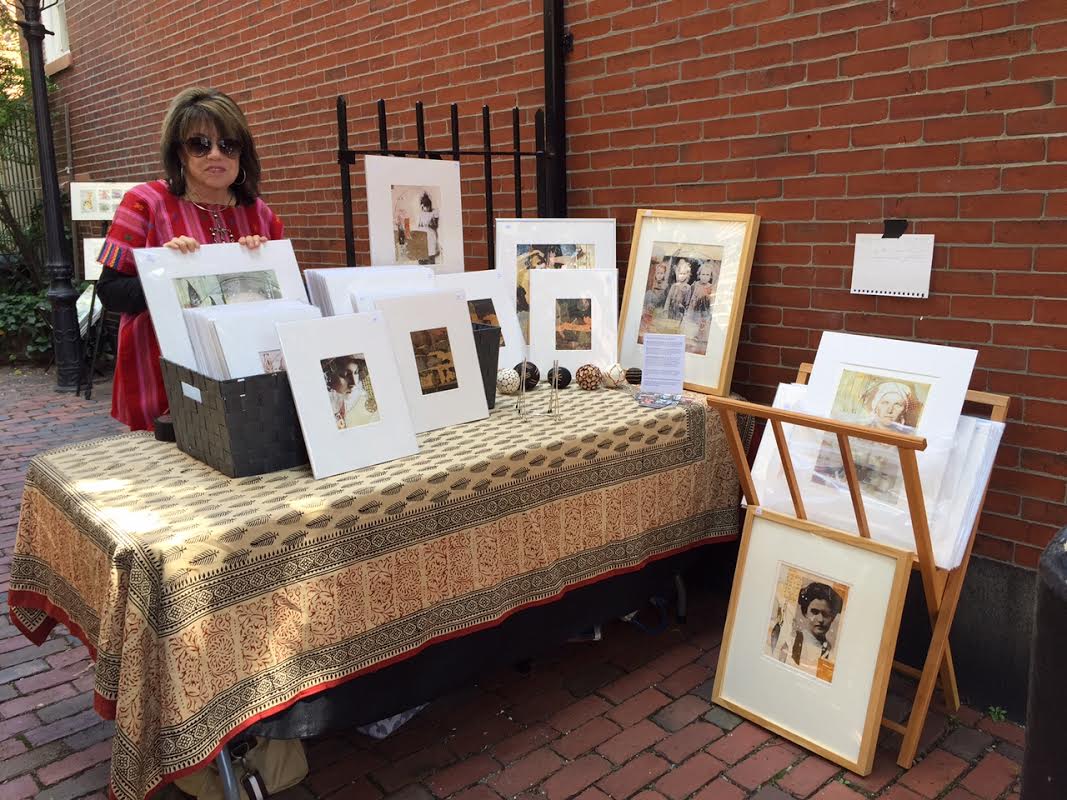
Setting up in the little courtyard off Charles Street in Beacon Hill, Boston

Boston was great – I met lots of interesting people at my third annual Beacon Hill Art Walk, had a number of folks recognize me from last year (“Hey, Shard Lady!”), and sold some art. Interestingly, the encaustic pieces got most of the attention, but the Citra-solv landscapes got most of the bucks.

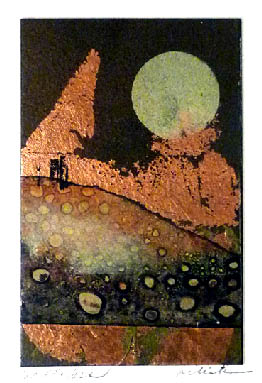
lsThese little mixed media landscape collages are always popular with art buyers, and  easy and fun to construct. As a matter of fact (what a coincidence), I’m having a workshop on Sunday, June 21st from 2-5 to show you how to make the collages, and there are lots of spaces left. You’ll learn how to create some amazing decorative artisan papers using Citra-solv cleaning solvent, and you will learn a lot about composition, as well. All materials are provided, as usual. Here’s a link if you’re interested. Come join me!

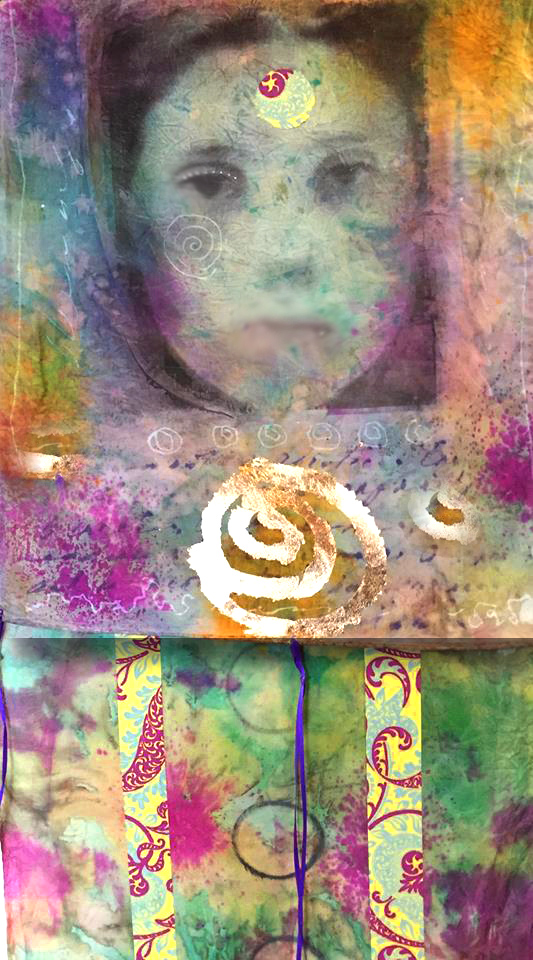
There are other summer workshops coming up at the Studio, including a Goddess Banner class on Sunday.goddessbanner That class is full, but I have had so much fun developing it that I’ll offer it again later. I’ve combined small-space dyeing with transfer, paper “quilting,” and other fabric surface design to make a layered banner that celebrates the idea of the Divine Feminine in whatever fashion pleases you. Here’s a first look at the prototype. When you hang a banner made with intention, like this one, the wish or affirmation is supposedly sent by the wind in all directions. I like that!

There’s a Spirit Box Workshop in July, and a Mixed Media Collage workshop in August – that one may focus on Goddess Banners again. Any takers for another Goddess Banner session? Email me!

It’s strange to think that I won’t be going back to Trinity University in the fall to teach, and it’s scarily liberating. FYI, Friday Freebies will return next week.

speedyFinally, one of the nicest things that happened during the Beacon Hill Art Walk was a Close Encounter of the Dog Kind – I was walking down a crowded street in Beacon Hill when a little doggie on a leash dragged her human over to see me, and began jumping up and down. It was my son’s dog, Speedy! Rick and his family were out of town, but Speedy recognized me and came bounding over to say hello. The pet sitter was very surprised, because he didn’t know who I was, and Speedy is usually a shy dog. But she is a good art critic – she looked at my art and licked my face in approval. 🙂

Have a wonderful weekend, everyone – hope it’s filled with dog licks, ice cream, and fun.


A must-read poem from Maripat

maripatLucky me to have dear friends who share their creative insights. Maripat Munley is one of these. Maripat is an RN with a masters in Art Therapy who has made art all her life. She studied oriental brush painting while living in Seoul, Korea, and her life reflects a balance of eastern serenity and western practicality.

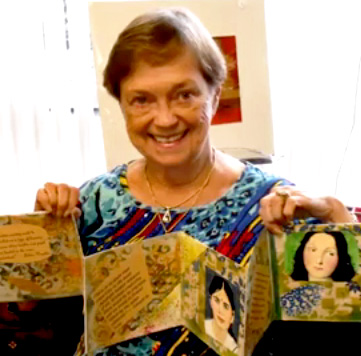
Currently, she’s working on a poetry project with incarcerated women – she practices the healing power of art every day in every way – pretty cool. Maripat was a joy to work with in the recent workshop I did with Lesta Frank. Afterwards, I sent out the video to the participants, saying how proud I was of their beautiful folding handmade books. Maripat wrote back with this heartfelt poem, which I have permission to share with you. Thank you, Maripat, for all you do and all you are!

How to Be an Artist

Be still; silently breathe in my studio
wherever that studio is.
Use simple tools and colors that draw me.
Remember, making art is my spiritual practice.

Begin by releasing attachment to outcome or product
Bless eyes, hands, tools, paint and mixes.
See, touch, hear, smell everything I use.
Become one with the materials.
Remember, making art is my spiritual practice.

Immerse myself in the art process.
Let it be my prayer and my calling.
Draw and paint for the joy of it.
Be patient, able to stand back and gaze.
Remember, making art is my spiritual practice.

Get up early to walk, to meditate, to create
Draw EVERY day.
Spend time in the company of other artists.
Learn from them.
Remember, making art is my spiritual practice.

Let my quiet breathing prayer
mirror images beckoned from that silence.
Accept these images from the depth of my soul.
Remember, making art is my spiritual practice.

Maripat Munley

Sumi-e painting by Maripat Munley

Sumi-e painting by Maripat Munley


Easy color-to-sepia photos for beeswax collage using iPiccy

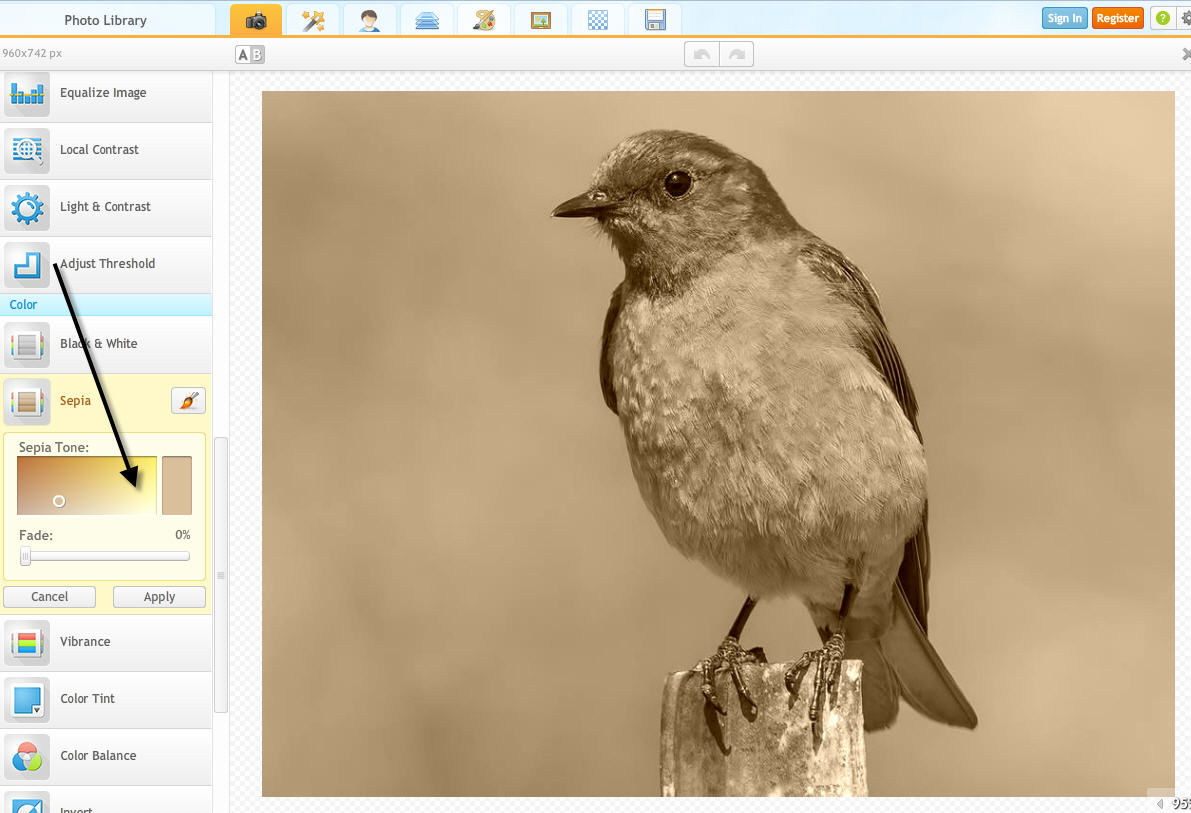
Sunday’s workshop at the Studio is Beeswax Collage (it’s sold out, yay!), and I’m going to ask the participants to bring a sepia-toned photo to work with. I’m sending them the link to this post to show them how to do a sepia effect with iPiccy, and you can find out, too, by following these instructions!

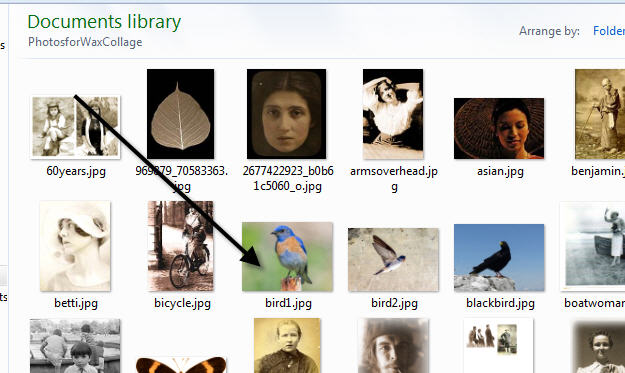
First, you need to choose a photo that you want to transform to sepia, and remember what file it’s in so you can find it to upload it. Then go to iPiccy and choose Start Editing!

sepia

You’ll see a window that asks you to upload a photo.

sepia0 Browse to the file on your own computer that has the photo you want to change from color to sepia and select it

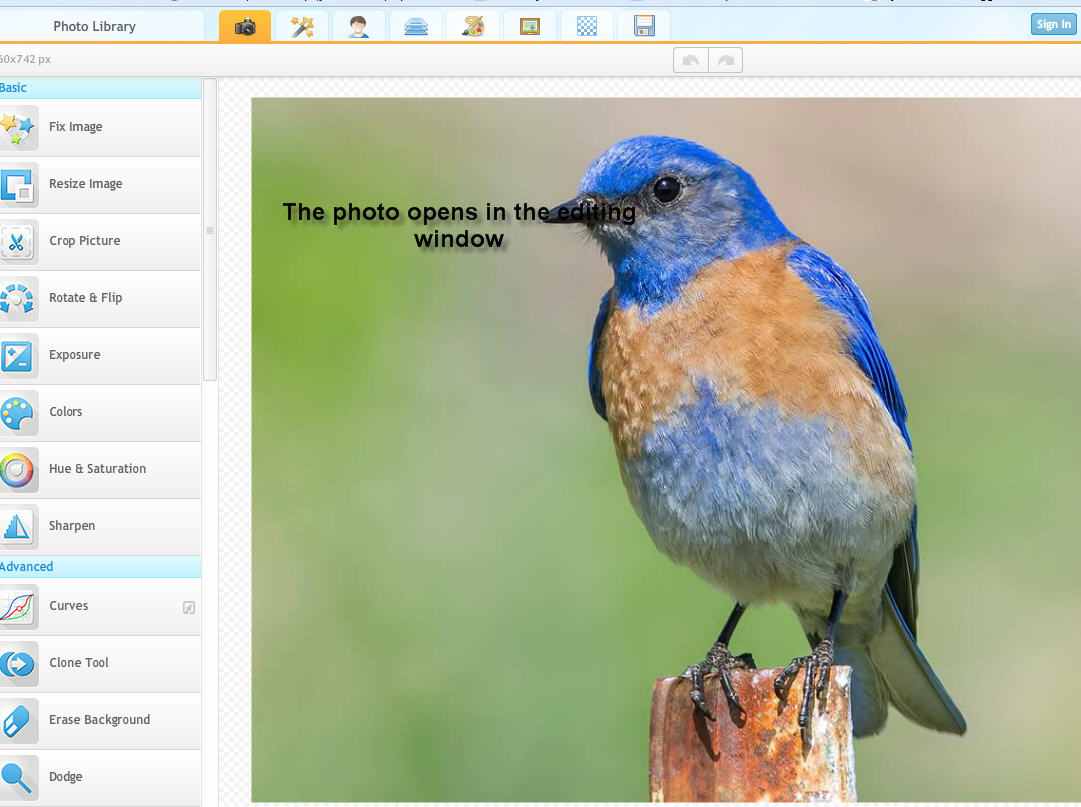
sepbird    Your photo uploads into the editing window.

sepia 5

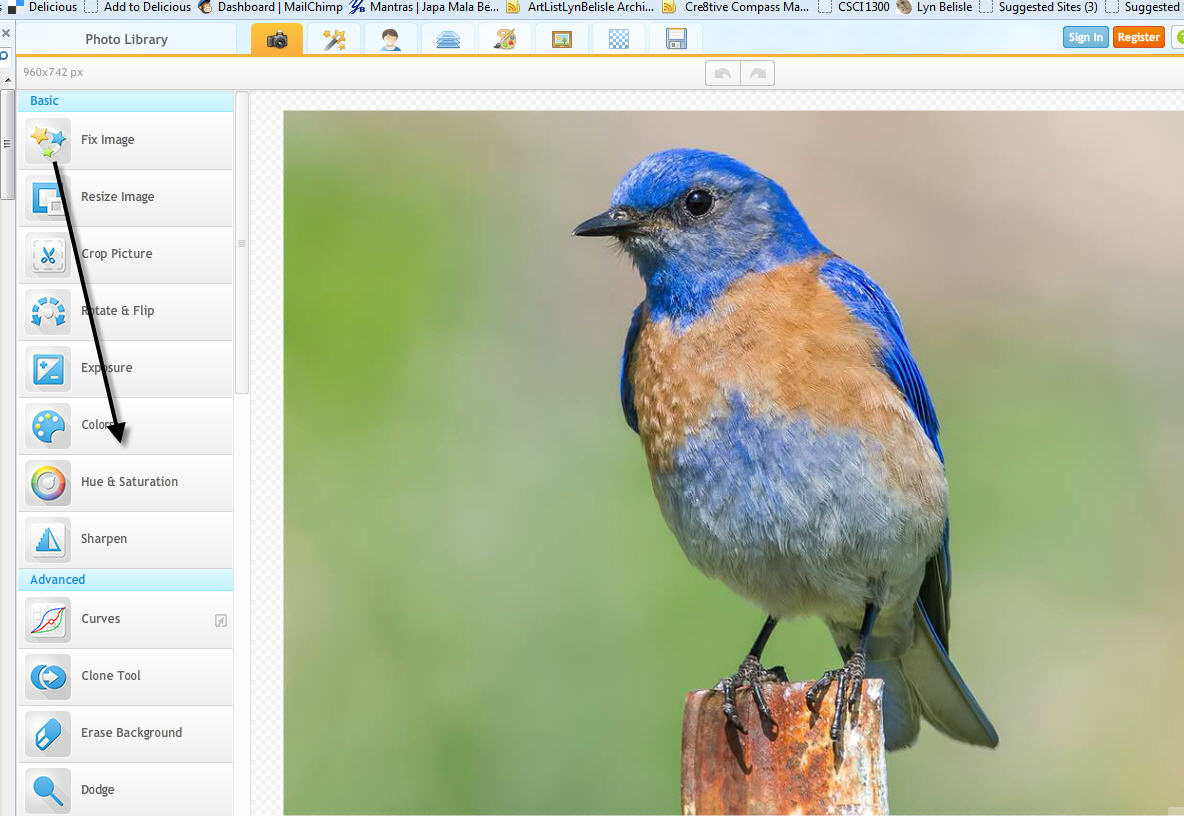
Look on the left side and find the bar that says Colors.

sepia5Click on it and scroll down that list until you come to the bar that says Sepia – choose the sepia tone that you like.

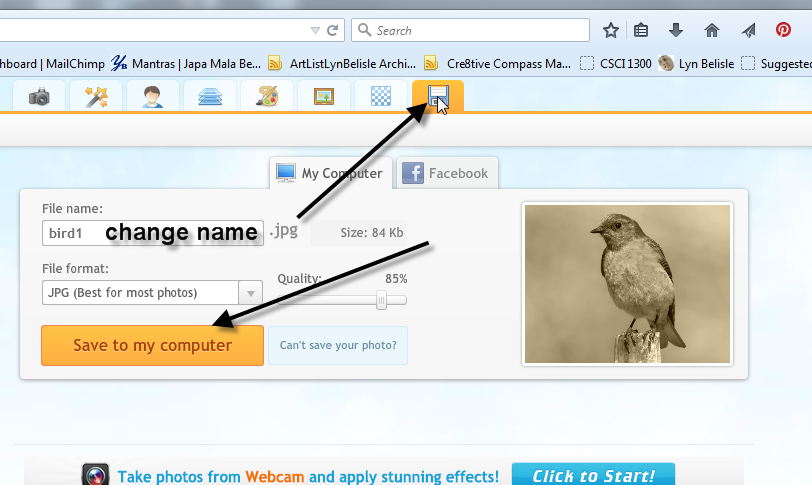
sepia3Once you’ve transformed the image to sepia, you can click on the Save icon at the top right and save it back to your computer

sepia7Give it a different name so it doesn’t overwrite our original color photo. Now you are ready to print it out and use it for your beeswax collage – or whatever creative purpose you desire!

Happy weekend, everyone!

How to describe your personal art style using Pinterest as a tool

corwindetail

Lyn Belisle, “Corwin,” Assemblage 2015

“Oh, you’re an artist? What kind of art do you do?” I get that question fairly often, and I usually just say, “Mixed media.” But if you need to think in terms of a fuller description (such as when writing an artist’s statement), you might need to come up with adjectives that are more specific to your personal style.

One way to do this is to  start a Pinterest board with images of the kind of art that resonates strongly with you – chances are, these images will reflect your own aesthetic. For example, here’s a recent selection from my own Pinterest “Stealboard” (as in “Steal Like an Artist”):

pinterestone

From this small selection, I can see that I gravitate toward a neutral palette of grays and rusts. I like organic shapes, twig-like lines, and odd and mysterious iconic faces.Not surprisingly, these elements show up consistently in my own work.

Now compare my favorite images to the Pinterest board of North Carolina artist Eileen Ross:

pinterestthree

I don’t know Eileen, but from her selections, I’d say she likes elliptical shapes, whimsical impressionist content, deep pastel colors, washes of paint, and calligraphic elements. When you look at her own work, you can see the strong relationship between what she likes and what she creates. Interesting!

What if you don’t have a Pinterest favorite art board, or even a Pinterest account? It’s easy and free to set one up. Just go to Pinterest and follow the simple directions. I would also suggest that you install the Pinterest browser button – here’s how. This little tool allows you to click on your browser’s tool bar to add a picture from the Internet to your Pinterest favorites board instantly. Be warned, though – once you start collecting, pinning, and analyzing the kind of art work that you love, you can get addicted!

Photo sources, collage and copyright

doorwaySome of you have asked about sources for old photographs like the ones I’ve been using in my encaustic photocollage series. My favorite place to look is Flickr Commons, particularly the Library of Congress albums. Be warned: perusing these photos is addictive – you can get lost in history! It’s wonderful.

So what about copyright? The photos I  use are all categorized as “no known copyright exists” or “no known restriction on publication.” This means that either there was a copyright and it was not renewed, or, more likely in my case, the image is from a late 19th or early 20th century collection for which there is no evidence of any rights holder. It’s extremely important to read about copyright before you choose an image to use in your artwork – here’s the Library of Congress link, and it’s written in fairly simple terms (explaining copyright in the digital age is like trying to nail Jell-o to a wall).

humongYou’re probably going to transform the photograph in some way. Most of them are already black and white or sepia toned, but you will most likely want to enhance the lighting and contrast to provide the most dramatic effect for your artwork. Even if you don’t have Photoshop or other industry-standard photoediting software, you can still have fun working with iPiccy or PicMonkey. These allow you to upload a saved photograph that you’ve found and edit it online, then save it back to your computer.

You’ll find that when you’re going through the old photos, one or two will just reach out to you as subjects, almost as if they are saying across time, “Choose me!“. That’s the amazing part. And once you have your special  photo edited and printed, you’re ready to start your collage!

sheltered

“Sheltered” Lyn Belisle 2015


I got to be a student, and just about dyed :)

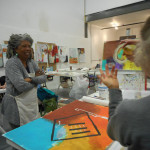
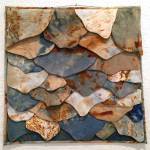
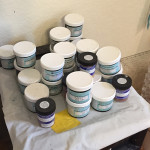
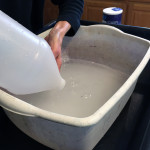
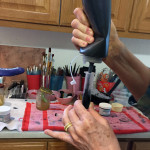
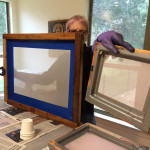
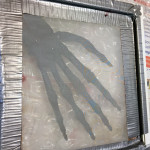
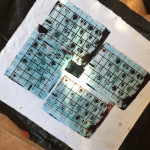
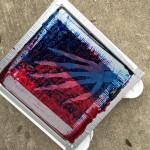
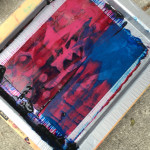
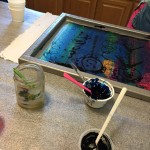
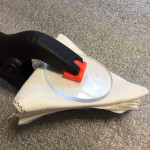
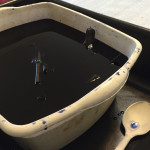
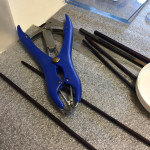
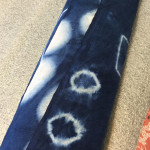
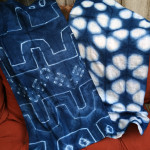
jarsI got to play  at the Studio today as a student of fiber artists and friend Rosemary Uchniat! Rosemary will be presenting a special workshop at my Studio in July that teaches us how to dye artful fabric the easy way with spectacular results.  I’ll let you know as soon as it’s scheduled, but in the meantime, here’s a sneak preview (see pics). Sidney Burnette, Nita Hazel and I learned three techniques that just blew us away because they were simple to do (with Rosemary’s help)  and produced results that looked as if we knew what we were doing! It was very cool.

This was a trial  run for the upcoming July workshop with Rosemary as a guest artist/teacher, and based on our experiences today, I know you’re gonna love it – so stay tuned for date and time. This workshop and all of the others for late summer and fall will be announced before the end of April.

Artful Gathering 2015 – amazing!

bannerag
We just got our first look at the Artful Gathering Catalog for 2015, and I am blown away.
This is my second year on the faculty – lucky me! When you click through the classes, the pages make a cool whooshing sound, and every page has tons of beautiful photos of all the workshops that will be offered during this hugely-popular online Summer Art Retreat.  C’mon, take a look – click on the image below to check it out, and then come back for a little more info:agcat15


Did you come back? Hope so, because, here’s something new at Artful Gathering – it’s the very first Two-Person Collaboration, and Michelle Belto and I are teaching it! Mask, Robe and Rune is an online version of the full-day workshop we taught at the Studio in 2014. If you couldn’t join us then, join us in cyberspace! There are lots of extras (see p. 17 in the catalog).

agcat17

I’m teaching two classes by myself, both of which I’ve done many times at the Studio – one is The Magic of Spirit Dolls, and the other is called Small Worlds, fantasy landscapes with Citra-solv paper and another altered collage papers.

So many of you who live far away have said you wish you could take workshops here at the Studio – well, now you can! They’re filmed right here at Lyn Belisle Studio, and include my usual goofiness and user-friendly teaching style. I’ve been taking online classes myself for a couple of years, and I have to say that it’s a great way to learn. Hope to see you  at Artful Gathering! Early Bird Registration is OPEN!

Beeswax + Imagery = Fusion Collage

finished

Workshop prototype – Lyn Belisle

Sometimes you commit to an idea but you have no clue about how (or even IF) it will work. That was the case when I scheduled a “Beeswax Collage” workshop as part of my 2015 calendar, . But two serendipitous things came together to help me. The first was the online workshop that  Michelle Belto and I designed and filmed called Wax and Tissue (available at Roses on my Table website) The second was the PhotoEncaustic class I just finished with Clare O’Neill – both were invaluable learning experiences.

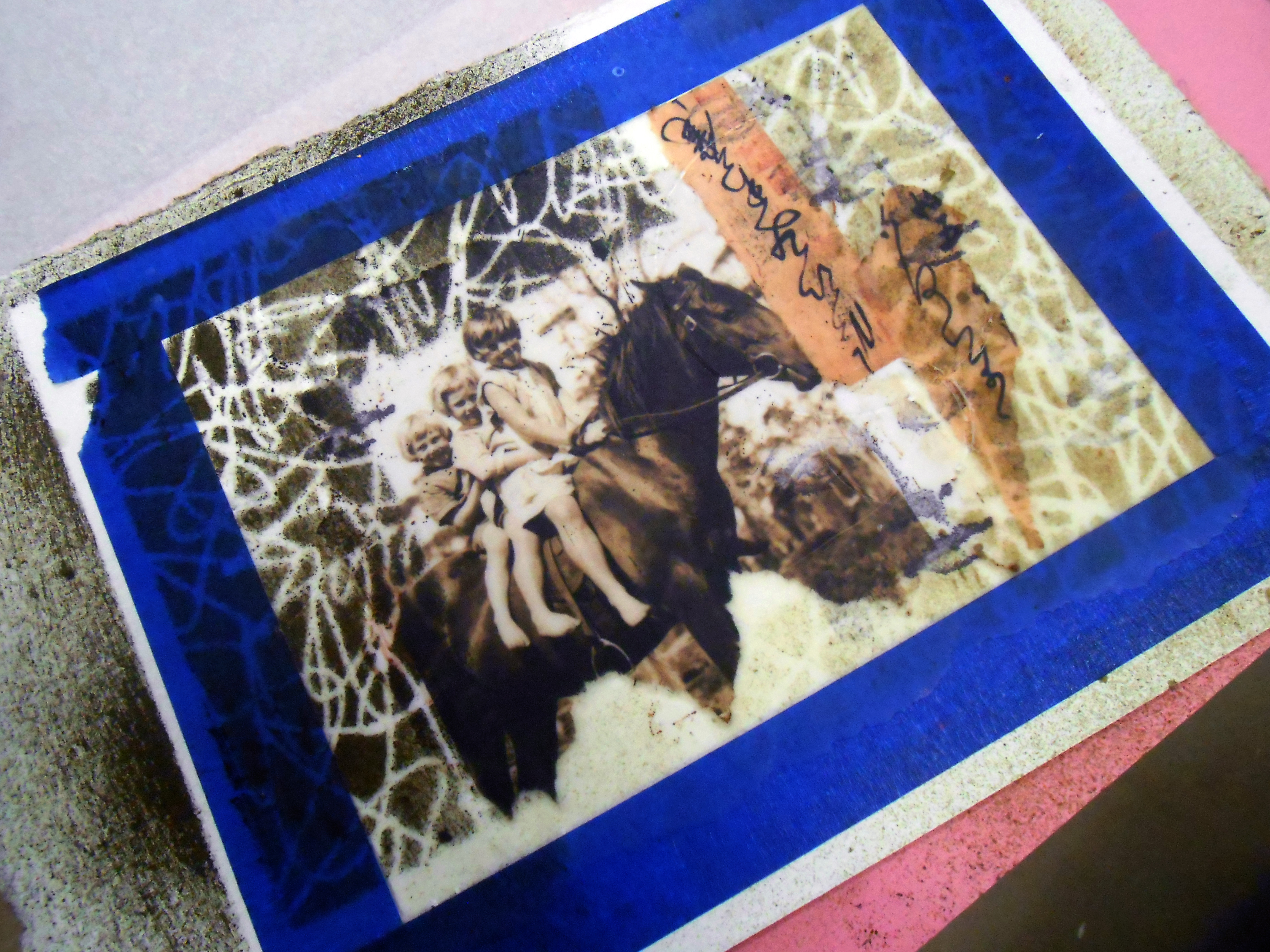
The premise for yesterday’s hugely successful workshop (whew!) was to combine collage elements, rigorous composition guidelines (my AB3 System), inkjet printed tissue, and elementary encaustic techniques to produce a fusion piece that was more than the sum of the parts. To develop the prototype (above), I started with gesso and walnut ink on board, adhered paper and photos, layered inkjet-printed tissue, painted beeswax over everything, scraped and distressed the surface, added more walnut ink and wax – well, it was just plain fun – I’ll play and refine, but it has lots of possibilities.

The participants thought so too, and produced an amazing assortment of beeswax collages, two pieces each, in just over two hours. I always tell my students that there is more than one right answer to a art assignment, and every one of these was a winner – take a look!

PS – Congrats to Rhonda Austin, winner of the little steel Asian chop that represents “understanding.” Rhonda, if you’ll send me a mailing address, I’ll get this to you right away.

Have a good week, everyone!

Curious evolution of a work on canvas

dissofmem2Where do art ideas come from? Darned if I know – Here’s a piece that invented itself from 12 clay face slabs I made last week just because I didn’t want to throw away too-dry clay. The piece is called “Dissolution of Remembrance” because forgetting the names of objects and misplacing small items worries me, and I know I’m not alone in that.

I used these unplanned clay pieces to address this worry through an art piece. I arranged the fired earthenware slabs in an almost irregular pattern on a 24×30″ canvas, then sewed and adhered them in place. First came a wash of walnut ink (of course). Then I added some red oxide acrylic paint – here’s what it looked like at that stage – kinda disjointed.

dissofmem0

I tried to make it more cohesive with various colors of paint, attempting to suggest a progression of memory loss, and finally got the idea of putting rusted wire inside each head – it didn’t really work. Suddenly, I remembered talking about cheesecloth in my last post, and added a layer of cheesecloth over the whole composition to unite the elements. That was a good decision.

After that, there was lots of action going on with matte medium and fabric stiffener. Next came a thin coat of encaustic wax. Finally I added branches to allude to the branching dendrites in the brain. Science occasionally comes in handy 🙂

dissofmem

The last element, silk cocoons, was another accident – the plastic bag of cocoons was open on the table nearby and the silk kept catching on the branches – well, duh – how obvious was that? So, on they went. Symbols of hatching new thoughts?

I’m not sure “The Dissolution of Remembrance” is completely finished, but it’s been amazing to watch the process as both the maker and the observer. Now if I could just remember where I put it –  – – only kidding. I think.  dissofmem1