Quicksilver: verse and vision

collage

Quicksilver: Terlingua Cemetery, Lyn Belisle

What an extraordinary experience to have a poet look at your work and tell its hidden story back to you with empathy and intuition! Maggie Fitch friend, potter, poet – just gave me that great honor. You’ll love the poem .. read on.

Here’s how it happened.

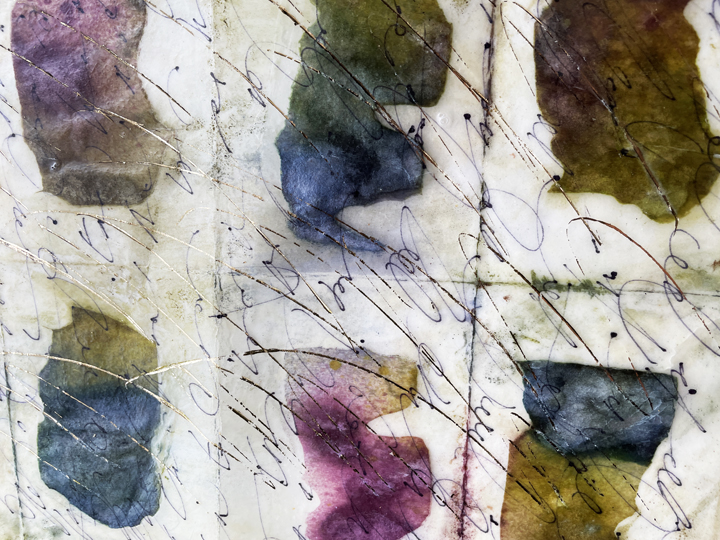
One of my artworks is being exhibited in the current GAGA show at the San Antonio Art League + Museum. It is titled Quicksilver: Terlingua Cemetry. I created this fiber art collage (above) as a response to a recent visit to the cemetery in Terlingua just outside Big Bend. The work is comprised of transferred photos on fabric, stitching, fabric scraps, and found objects on stretched canvas. It is 36″ long.

Collage back story: The Chisos Mining Company, was established in 1903 at Terlingua, and during the next three decades became one of the nation’s leading producers of quicksilver (mercury from cinnabar ore). The Terlingua cemetery, iconic and eerie, is a reminder of the miners who died there from mercury poisoning. The average time spent in the mine before mercury poisoning began affecting them was less than 5 years. The men who got sick were happy to have a job for pennies a day, all the while unaware of the horrific nature of their own impending death.

So, Maggie was attending a poetry workshop group at the Art League last week, and their focus was to write an ekphrastic poem, which is an intense poetic description of a  a work of art, and to chose a piece from the exhibition Through the imaginative act of narrating and reflecting on the “action” of the artwork, the poet may amplify and expand its meaning.

Maggie chose to study my piece and looked at it so carefully that she discovered a story that amazed me. These were the first two lines of her poem:

“See here
printed in plain sight a plot of prickly crosses . . .”

She contemplated the details she saw – torn newspaper clippings sewn to tattered fabric, old images of a miner, transferred onto cloth, a frayed portrait of a native child, rusty items and found objects . . .

She saw more than just the history of the place – she felt what it must have been like to be there, perhaps on an August day exactly 100 years ago . . .

She tells us through her poem what to look for, what we can see if we look past the individual scraps and shards to the whole concept of place in time . . .

Read Maggie’s entire poem, below, read it slowly, and I think you will feel how visual art and poetic verse are powerful companions.

Ekphrastic poem by Maggie Fitch
based on a fiber collage by Lyn Belisle:
Quicksilver: Terlingua Cemetery

See here

printed in plain sight a plot of prickly crosses
seen here three ways differently still all the same
remarking the folly of passers-by intending
to go somewhere better
away from a screaming orange sky
then befuddled in twilight’s turquoise caresses
charring intentions into crusty black embers
blown over the graves of those
passing through to somewhere else

See here

stitched little purses of tattered intentions
that should have been quicksilver but not quick enough
passing through with his donkey in the desert that day
the miner gave the young girl a shawl
kindly wrapping her shoulders up warmly that night
she gave him a colorful brand-new bandana
around his neck in the desert that day
passing through with his donkey
enchanted instead by a mouth full of tumbleweed

See here

are the artifacts of tattered intentions
stitched little purses made from what is left
of the shawl and bandana and maybe a donkey’s tooth
shadows of the young girl
and the miner who stayed
enthralled by the spectrum
in Terlingua they stayed
embedded in Quicksilver

See?

This poem gives me shivers – it’s as if Maggie was there in Terlingua that day, watching, seeing it all unfold. It’s beautiful and haunting. I am transported by lines like:

“…away from a screaming orange sky
then befuddled in twilight’s turquoise caresses
charring intentions into crusty black embers
blown over the graves of those
passing through to somewhere else . . .”

Below is a photo of Maggie’s original poem next to the collage she created in the Visual Verses group which is facilitated by poet and artist Marcia Roberts. This group meets once a month at the San Antonio Art League. (If you are interested in learning more about this group, please email Marcia.)

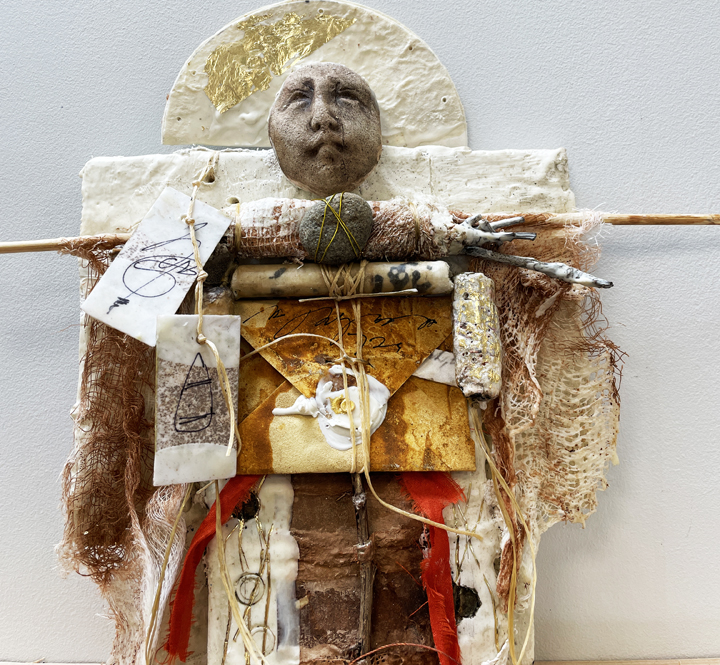
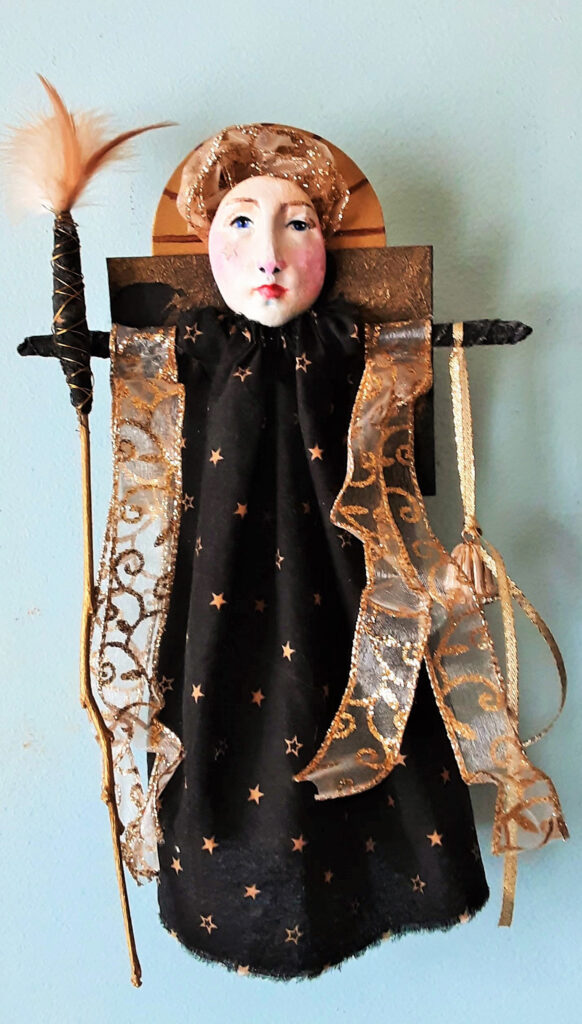
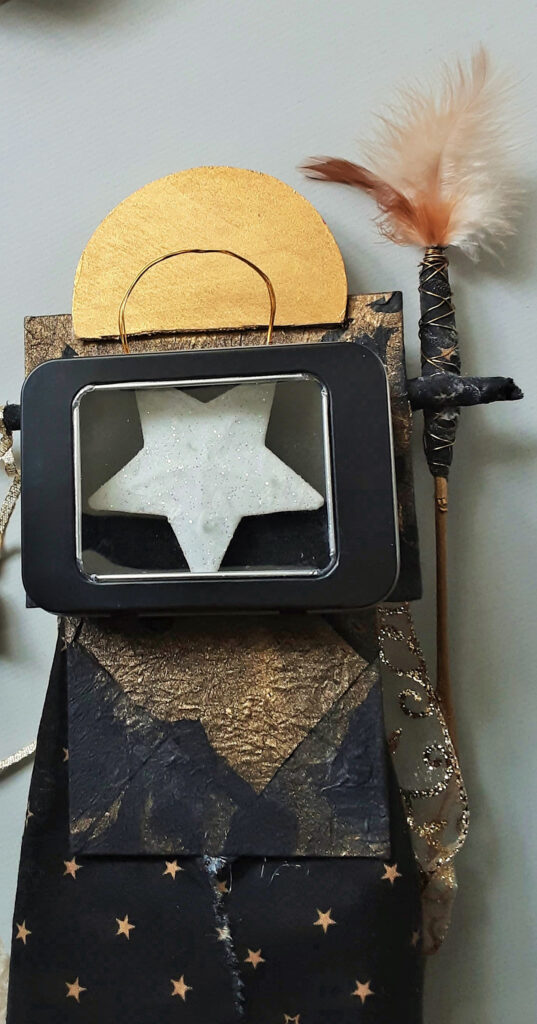
As I said at the start of this post, I told you that Maggie is also and artist who tells stories in clay. Here is an example of Maggie’s own work:

If I were a poet, I would love to look at these two pieces and write an ekphrastic poem about who they are and what their story is. Perhaps the fellow on the right was a miner passing through Terlingua searching for his long-lost daughter?? . . . . .maybe??? See???

Thank you, Maggie, for a wonderful poem. I learned so much. ♥

Altared Statements

Altars as an art form embody profound spiritual and visual significance. They serve as sacred spaces where personal beliefs, cultural heritage, and artistic expression converge. Through intricate designs and meaningful symbolism, altars invite reflection, honor traditions, and create a powerful connection between the physical and the divine.

Example of an empty altar structure from Celebration Circle

Opening soon, on August 23rd, the San Antonio Art League is hosting Celebration Circle’s annual celebration of creativity in the exhibition known as “One People, Many Paths: Sacred Art of Altars.” Each year, emerging and established local artists are invited to share their own sparks of divine creativity by participating in the exhibition where 60+ duplicate boxes–each with identical dimensions–are created and distributed. Then, at the end of the closing reception, each altar receives a new home.

​I’ve participated in this Altar exhibition for many, many years – this is its 20th anniversary!

Here is my Altar for this year’s Celebration Circle fundraiser – it’s titled, “The Gift.”

There is a backstory, a myth about markmaking – see what you thihk:

The Gift: An Altar to Tsukuyomi’s Gurdian

Lyn Belisle, 2024

In ancient Japan, young Yumiko ventured deep into the forest one twilight and encountered a mystical Noh spirit with antlers, known as Tsukuyomi’s Guardian. The spirit’s presence was ethereal, its antlers adorned with intricate carvings that glowed with a celestial light. “I have chosen you,” the spirit whispered, “to receive the ancient art of creation.”

The spirit led Yumiko to an ancient ebony tree, its charred wood still warm from a celestial fire. “From this tree, we will create ink,” the spirit said. Together, they ground the burnt wood into a fine, black powder, mixing it with water to form glistening ink. Next, the spirit guided her to a grove of bamboo. “These stalks will become brushes,” it explained. They split the bamboo, shaping the fibers into bristles bound by slender threads.

Then, they journeyed to a field where the spirit showed Yumiko how to transform plant fibers into delicate, resilient paper. Soaking, pulping, and pressing the fibers, they created sheets as white as snow. With her sacred tools in hand, Yumiko knelt before the spirit. “Now, make your mark upon the world,” it urged.

Yumiko began to draw, creating symbols representing objects and emotions. Her first marks were of profound gratitude to the spirit. As dawn approached, the Noh spirit faded, whispering, “Share this gift, for in teaching others, you honor the spirit of creation.”

Yumiko returned to her village, her soul alight with the spirit’s wisdom. She taught her people the sacred arts, ensuring that the legacy of Tsukuyomi’s Guardian lived on, interwoven with the fabric of their daily lives, as eternal as the antlered spirit itself.

Previous Years

Most of my previous Altars for Celebration Circle have had backstories – here is last year’s altar about Xochiquetzal, the goddess of beauty and love in Mexican mythology, also holds the role of protector and patroness of birds.

This one, from the Altar Show two years ago, is called A Prayer for Rain:

As I look back on these, I see similar elements in all of them. For a time, I was working on a series of small altars, and may go back to that soon. It’s a wonderful way to choose, build, and meditate with your hands.

There is a lot of information out there in Cyberspace and in the library about making your own altar for your own purpose I like what Wemoon says about altars.

But if you REALLY want to get inspired, come to the Art League to see The Sacred Art of Altars!

  • The opening Meet the Artists Preview Party is Friday, August 23 from 5:30 – 7:30 pm.
  • The closing reception is Saturday, September 14 from  5:30 – 7:30 pm.

And if you want to be dazzled by the many concepts and creative ideas that artists have come up with for this show in the past, take this link and click on photos from the previous years of this wonderful exhibition.


What does your vessel hold?

Jennifer Dixon, Vessel Workshop

I spent this past weekend in the Art Studio at UTSA/Southwest teaching a workshop called The Ephemeral Vessel: Exploring Plaster, Fiber, and Paper. As usual, I learned as much as a taught.

We began the first day by discussing the vessel as a concept. A vessel holds deep symbolic and spiritual significance, representing both containment and potential. The outside of a vessel symbolizes the physical form, protection, and boundaries, encapsulating the external aspects of life and the tangible world. It is the visible, crafted exterior that interacts with the environment, often reflecting cultural artistry and craftsmanship.

Jalen uses a soldering iron to pierce the “skin” of his vessel in progress

The inside of a vessel, however, carries profound spiritual connotations. It
represents the inner self, the soul, and the essence of being. This inner space holds potential and mystery, symbolizing the capacity to contain and nurture life, emotions, and spiritual energy. It is a metaphor for the unseen depths within every individual, the potential for growth, transformation, and the holding of sacred or significant contents.

The inside of Janis’s vessel shows little scraps and shards of memories of the process

Together, the inside and outside of a vessel illustrate the dual nature of existence: the balance between the external, material world and the internal, spiritual realm. This duality underscores the importance of harmony between our outer actions and inner values, encouraging a holistic approach to understanding life and spirituality.

And when we weren’t pondering the existentialist nature of the forms we were creating, we were also have fun! There was a moment of silence in the studio when each person got ready to pop their plaster-covered balloon. There were many oohs and ahhs when an unexpected material turned into magic on the surface of a bowl.

Almost dry enough to pop!

Taking simple materials and transforming them into meaningful creative statements has always been kind of a miraculous process. Every one of the vessels created in this workshop held a narrative. I am in awe of the vessel-makers and their stories.

Click here to see a catalog that I put together of some of the amazing work that was done this weekend.

As a final note, Everyday Sacred by Sue Bender is another one of those books that I can return too whenever I need centering. The begging bowl in this book is such a powerful image. The begging Zen monk receives the food people can spare in his bowl with gratitude. It’s an ongoing practice to accept what happens in life – and my bowl is so full of gratitude for this workshop experience!

Clay Soup and Alan Watts

Riddle: You have 60 small clay faces drying in the sun, almost ready to be fired. What do they turn into after an expected thunderstorm?

Answer: Clay Soup!

If only I had loaded the kiln before we left for the afternoon! But noooooo – the sky was clear, so who would have thought that a gully-washer was coming?

Seeing all of those dissolved clay faces when I got home made me feel sad, but also a bit philosophical. After all, they were still clay. Only their shapes had changed. They were returned back to their primordial soup!

This experience got me thinking about Alan Watts, whose writings have been a huge influence and comfort to me all of my adult life.

Alan Watts often spoke about the nature of life and death in terms that demystify and de-dramatize the transition. The concept that when you die, you go back to being what you were before you were born, is a profound reflection on the nature of existence. From clay to clay? From soup to soup?

He encourages us to view life as a temporary journey through a realm of awareness, much like a bird’s fleeting passage through a lighted house. By understanding and accepting the cyclical nature of life and death, we can alleviate the fear of death and appreciate the transient beauty of our existence. (Alan Watts Organization)​.

If you haven’t read Alan Watts before, I encourage you to start with THE BOOK
On the Taboo Against Knowing Who You Are. If you’re interested in The Book, there’s a PDF version available here.

This is all kind kind of a heavy-duty metaphor about something simple as melted clay, right? But there are lessons in everything. Living an artful life means looking at things through a different lens.

And the other HUGE bonus from this experience was the rain! Because I live in South Texas, I will willingly trade a couple of hours work for some welcome rain! I can make more clay faces but I sure can’t make it rain!

Thanks for reading – back to the clay studio 🙂

Lyn


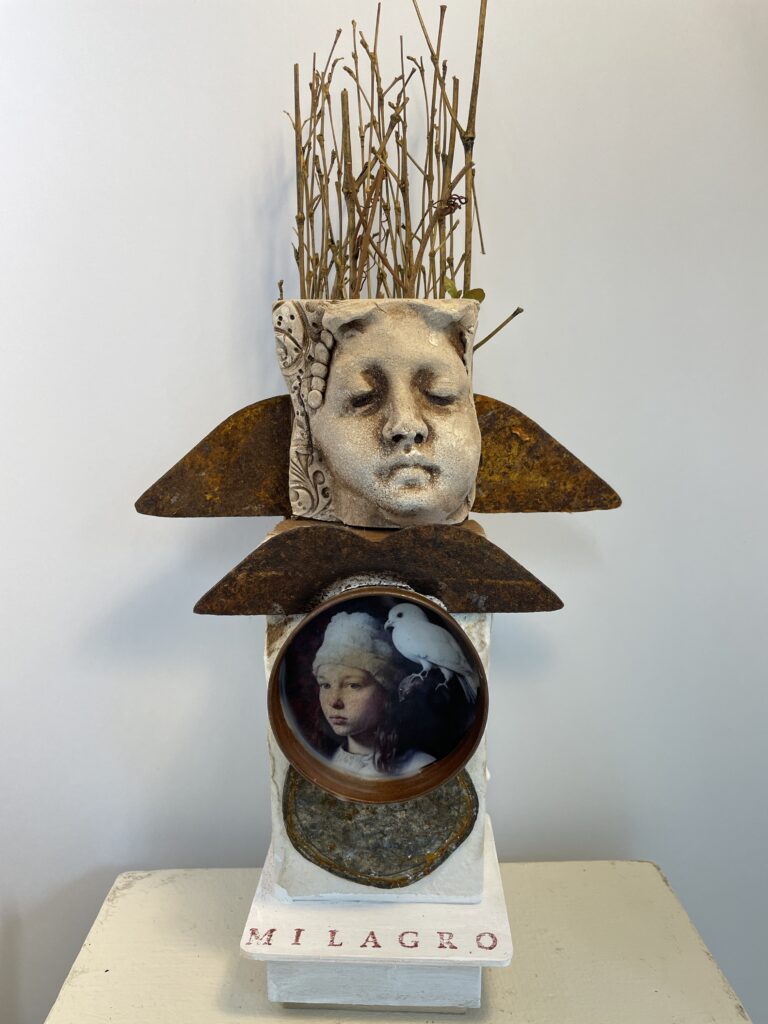
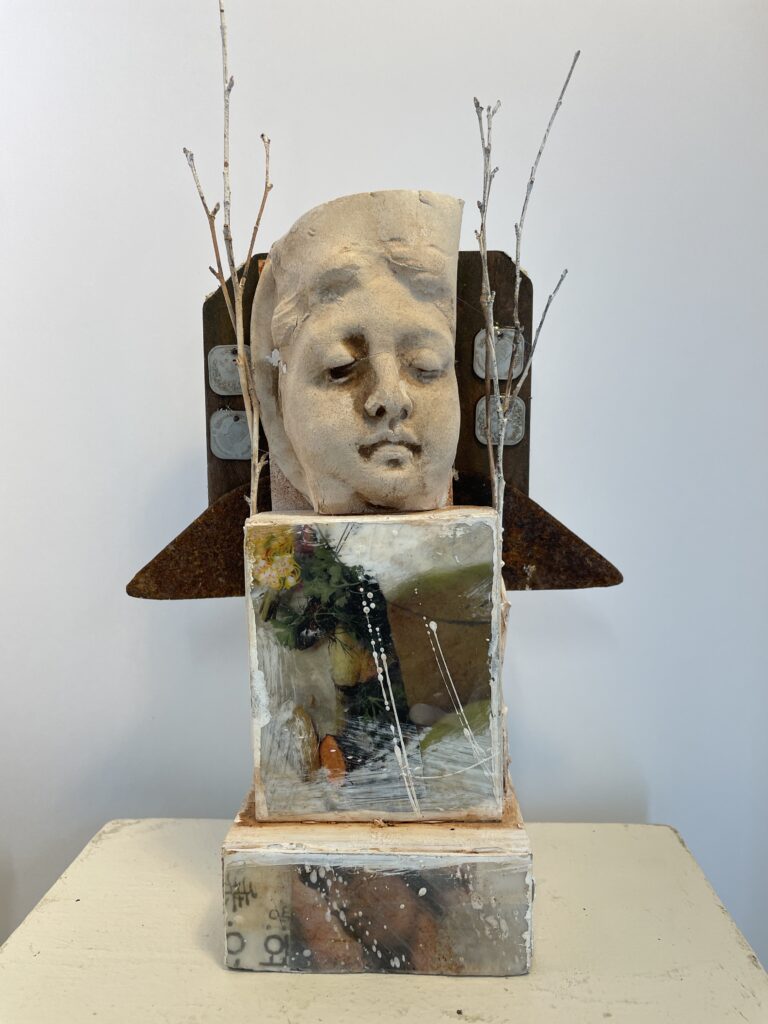
New Work – Scraps and Shards and Milagros

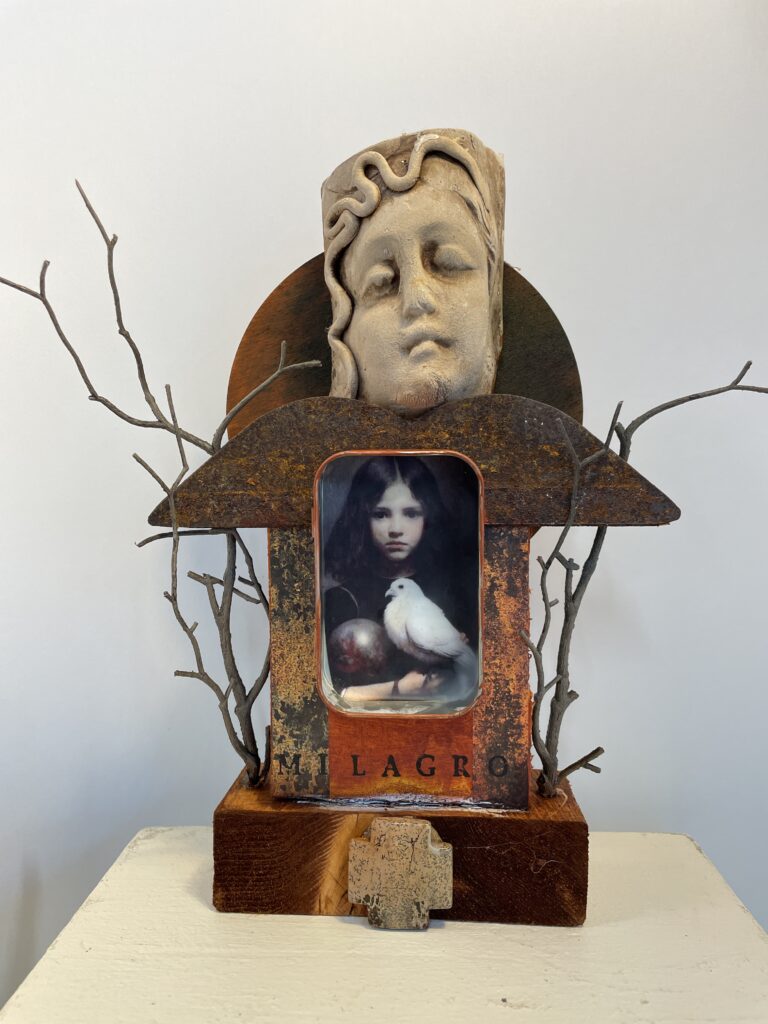
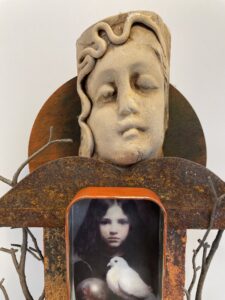
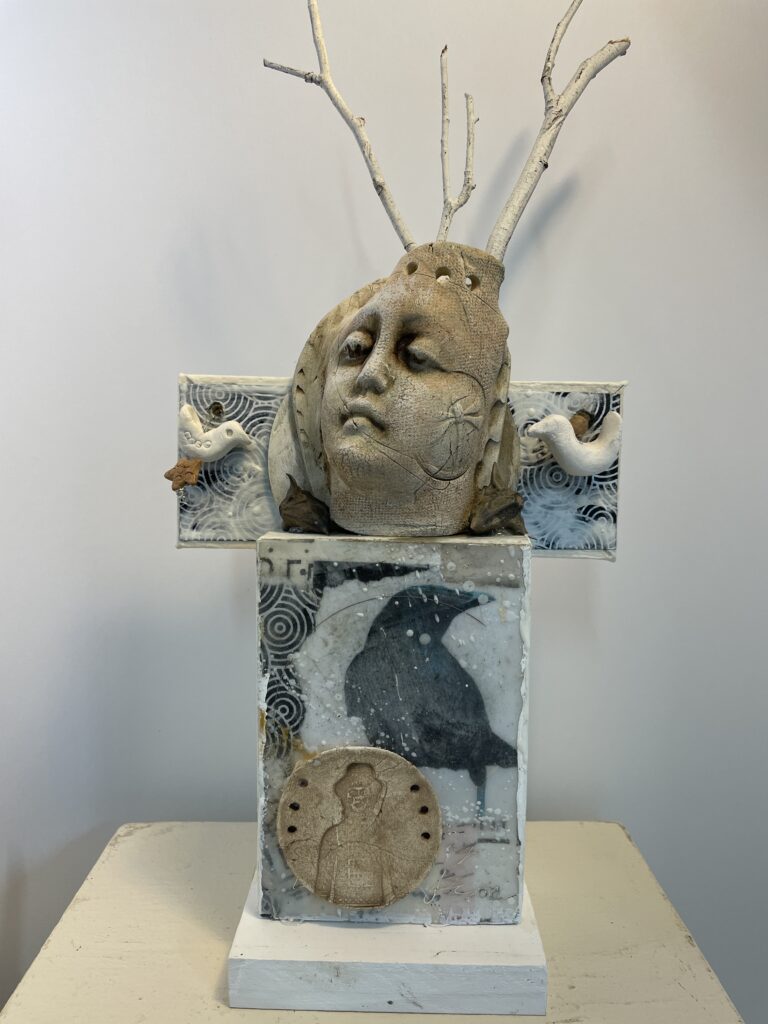
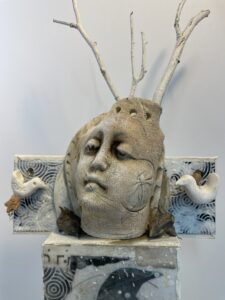
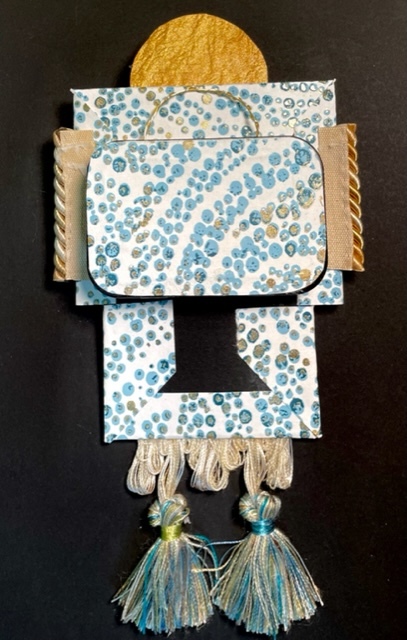
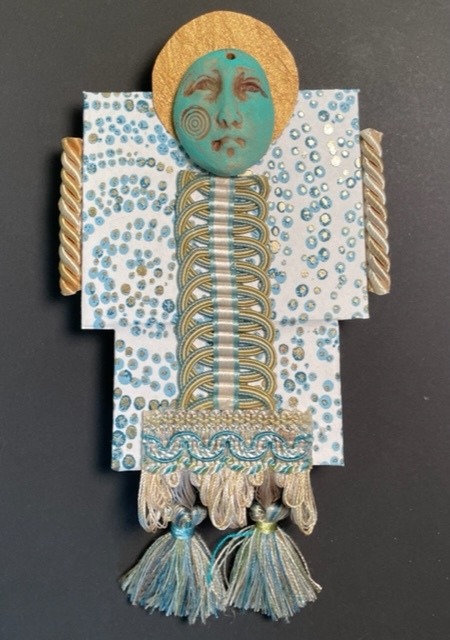
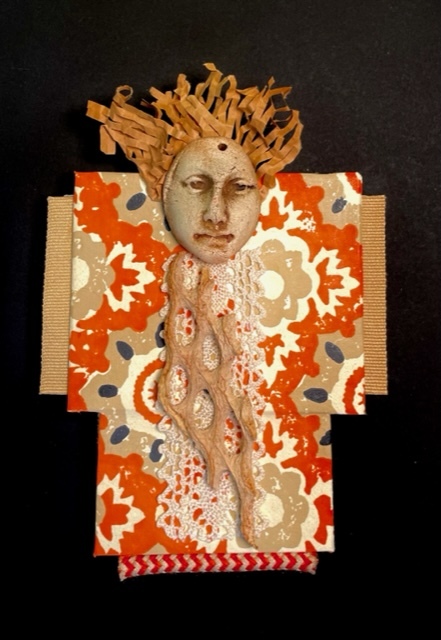
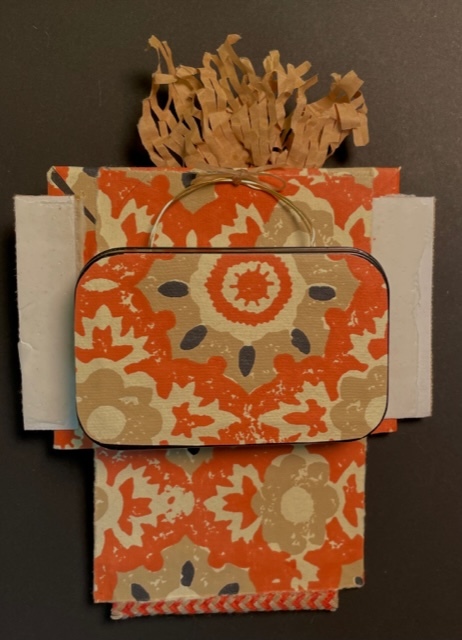
If you haven’t heard from me in a while, it’s usually because I’m on a deadline in the studio or I’m having computer problems – this time, it’s been both things, but all is well now. I just wanted to drop in to show you five new pieces I’ve built for the upcoming Art League Members Gallery show.

These guys are variations on the idea of my “Two-Byes” which I introduced in this post last year.

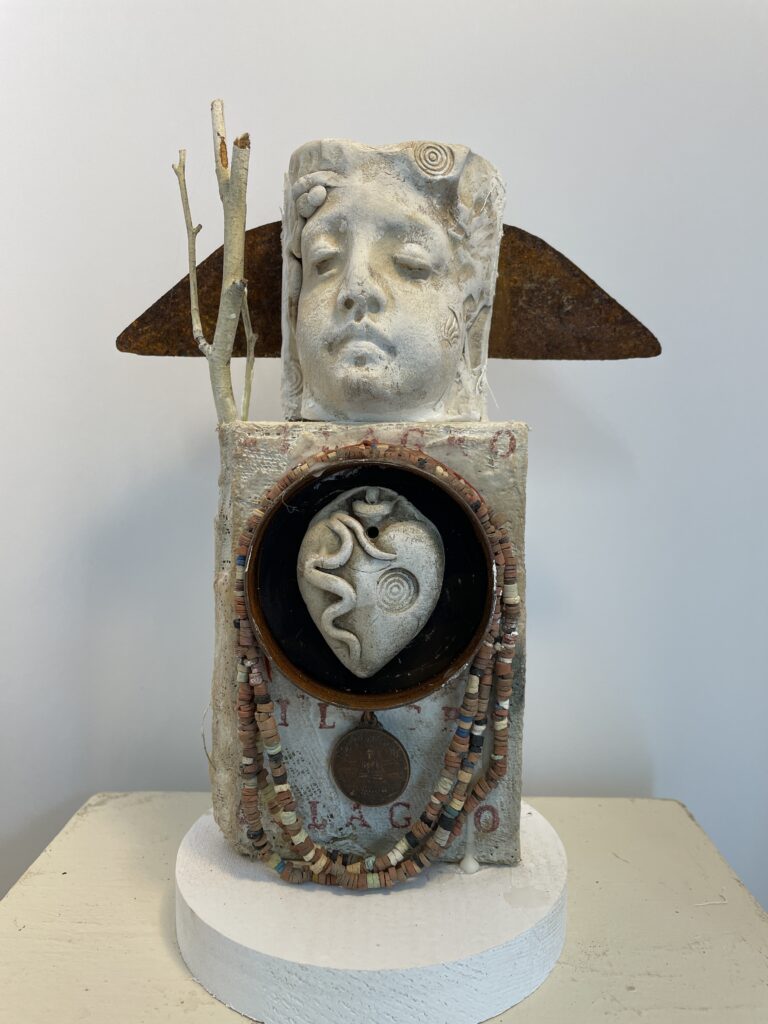
These pieces are a little less fiber-oriented and a little more found-object focused, but the idea is the same – take discarded scraps and and create new miracles (or at least new artwork). They incorporate some of the techniques I’ll be sharing in the upcoming working at the Fiber Artists of San Antonio Spirit Box workshop in May.

I’ve also completed a series of five new Neo-Santos in a different format – stay tuned for those. I’ll try to post photos later this week. Thanks for reading!!

Scents, Spirit, and Connections

I’m taking a bit of a shortcut in this post and stealing it from our Inside the Enso blog. It’s a new offering from the online residency program called The Enso Circle that Michelle Belto and I began building together at least ten years ago and is now opening its ninth term in January. You can subscribe to the blog without being a member of The Enso Circle. It’s designed to give you an idea of some of our discussions with the Artists-in-Residents – like this one on Sacred Scents!

___________________________________________________________________

SCENTS FOR CREATIVE PRACTICE AND SACRED SPACES

Scents and aromas have been part of sacred spaces for over 5000 years. Originally, perfumes were used in sacred shrines in conjunction with burnt offerings. People burned precious scents such as frankincense and myrrh on their altars. Soon, people began using these rare perfumes on their own bodies and associating scent with spiritual experiences.

Creating a sacred space with the assistance of essential oils, incense, and natural scents is a personal and customizable practice. The scents you choose, the rituals you incorporate, and the intentions you set all contribute to the unique and sacred atmosphere you want to create.

Here are some cross-cultural versions of sacred scents that have endured:

Copal Incense: Copal incense is a resin incense that has been used in Mesoamerican rituals for centuries. It is known for its strong, earthy, and slightly citrusy scent. Copal incense is typically burned on the altar to purify the space, create a welcoming atmosphere for the spirits, and to help lift the prayers and messages to the spirit world. The aromatic smoke is believed to be a bridge between the two realms, helping the spirits find their way.

Below is a very short video about how to burn Copal resin incense from Quetzalcoatl Music Guillermo Martinez.
Source for Copal

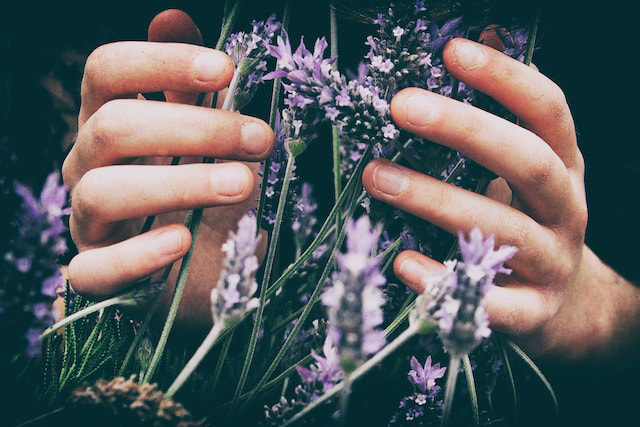
Lavender Essential Oil: Lavender’s name traces back to the Latin verb “lavare,” which means “to wash.” This essential oil provides spiritual protection by metaphorically cleansing your spirit. Lavender essential oil has the potential to dispel feelings of depression and aids in regulating our emotional well-being. It is the go-to choice for meditation due to its calming and soothing properties. Lavender essential oil is a valuable tool for enhancing your meditative focus and achieving a deeper state of inner tranquility. Sprinkle one or two drops on your altar cloth or use a mist of 20 drops of lavender oil to 2 ounces of water as a purifying mist.Source for Lavender Essential Oil

Picture

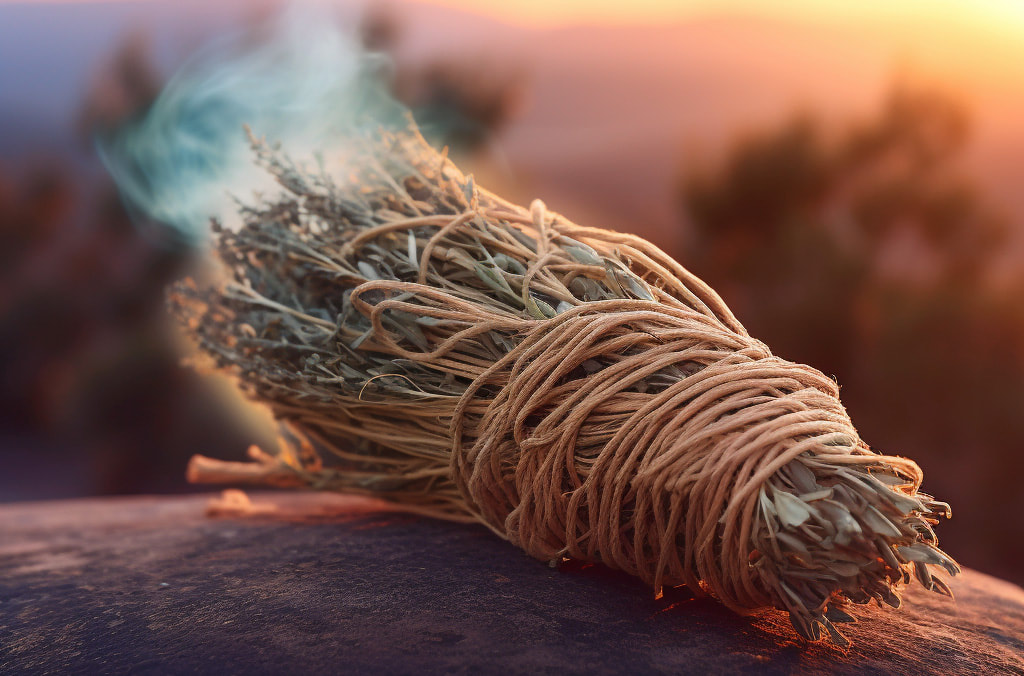
Hand-gathered Smudging Bundles for Purification of Spaces

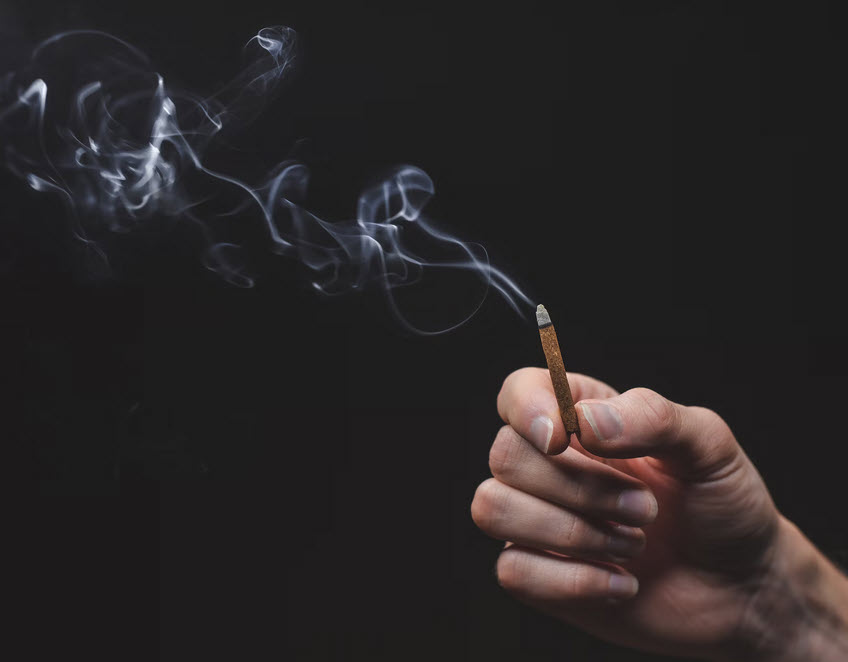
Smudging with sage or cedar is a centuries-old ritual deeply rooted in Native American and Indigenous cultures. It involves burning bundles of dried sage or cedar leaves and using the fragrant smoke to cleanse and purify a space, object, or person. Sage is often associated with purification, clarity, and wisdom, while cedar is believed to offer protection and grounding energy. The ritual is typically performed by lighting the bundle and waving it gently, allowing the smoke to waft through the area while setting intentions for cleansing negative energy and promoting positive vibes. Smudging is not only a practical act but a spiritual one, fostering a sense of balance and reverence for the natural world.

You can make this even more meaningful by gathering your own plants for smudging bundles. You become part of the sacred process from beginning to end.  Here are directions that we wrote for you about how to make your own Smudge Bundles. They take about two weeks to dry, so practice mindfulness and patience.

Picture

More subtle than music, ephemeral in nature, scents enhance, inspire, cleanse and renew on the deepest level of human consciousness. We’d love to read your comments and observations about how you use scents as a creative enhancement in your own  work.
___________________________________

One last note: If you think you might be interested in applying for a 12-week Enso Circle residency, please take this link and we will get right back to you – applications for the new term open on December 1.

“Gold—what can it not do, and undo?” – William Shakespeare

Need a little glitz in your art practice?

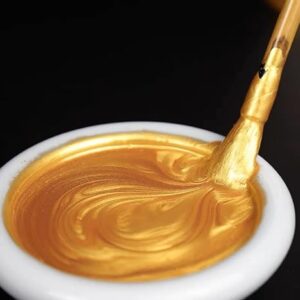
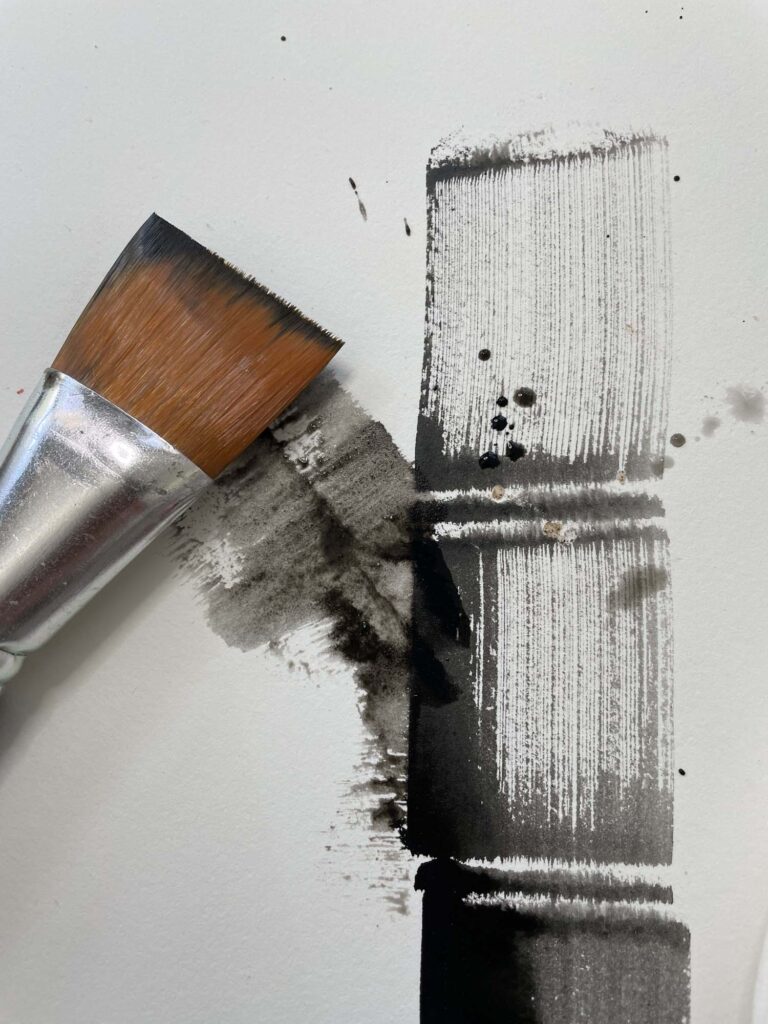
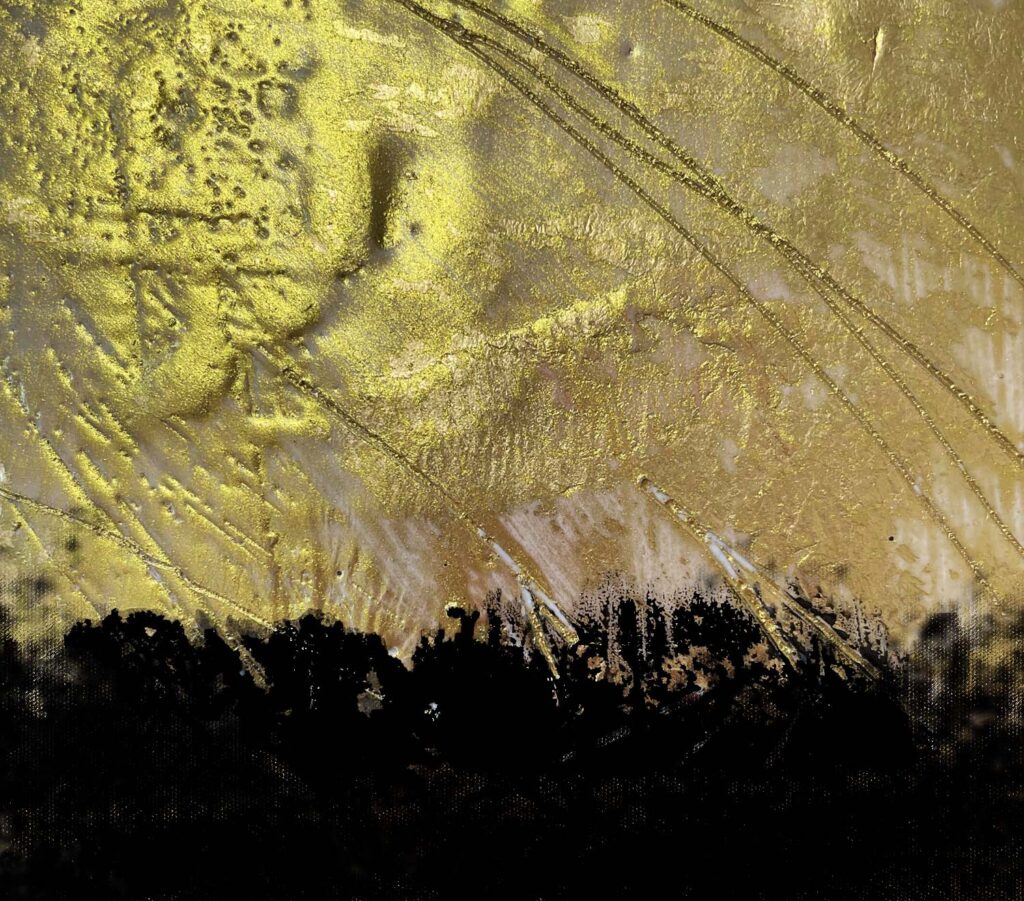
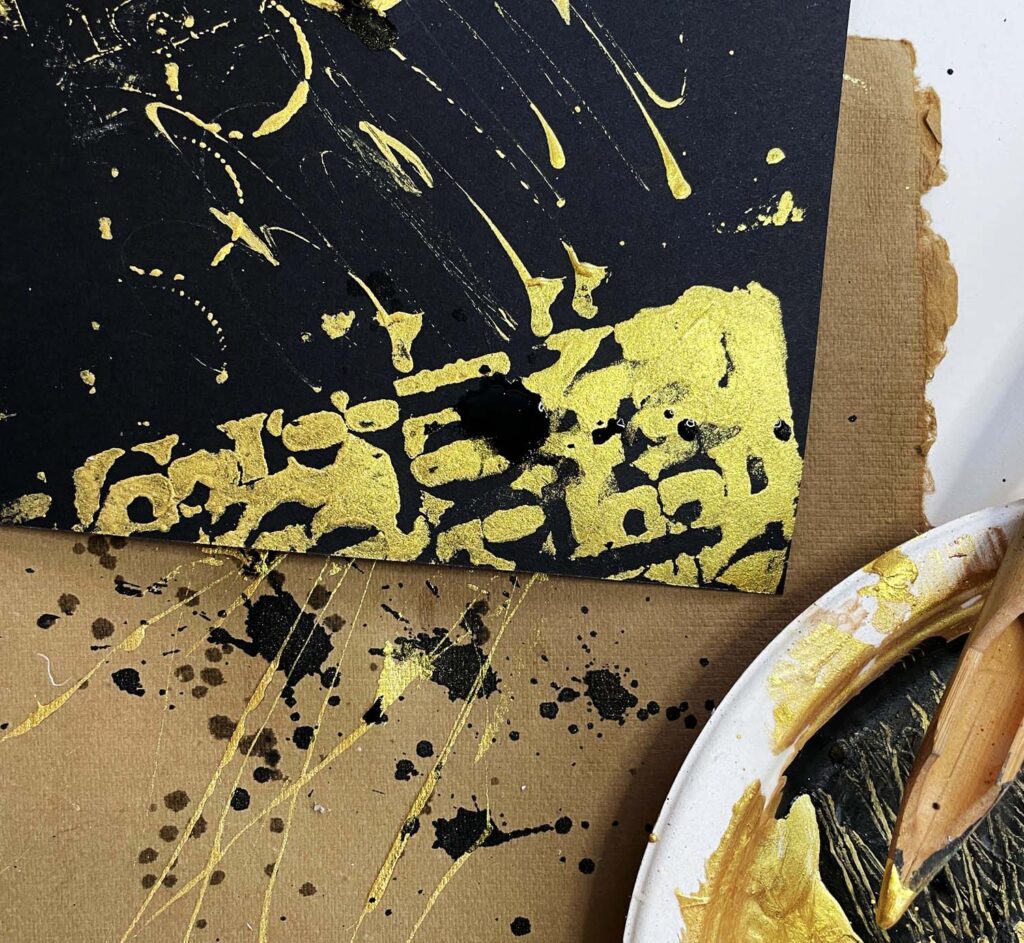
I’ve been experimenting with Gold Sumi Ink since the first of this year and still have a lot to learn about its properties and how to use it in my own work.

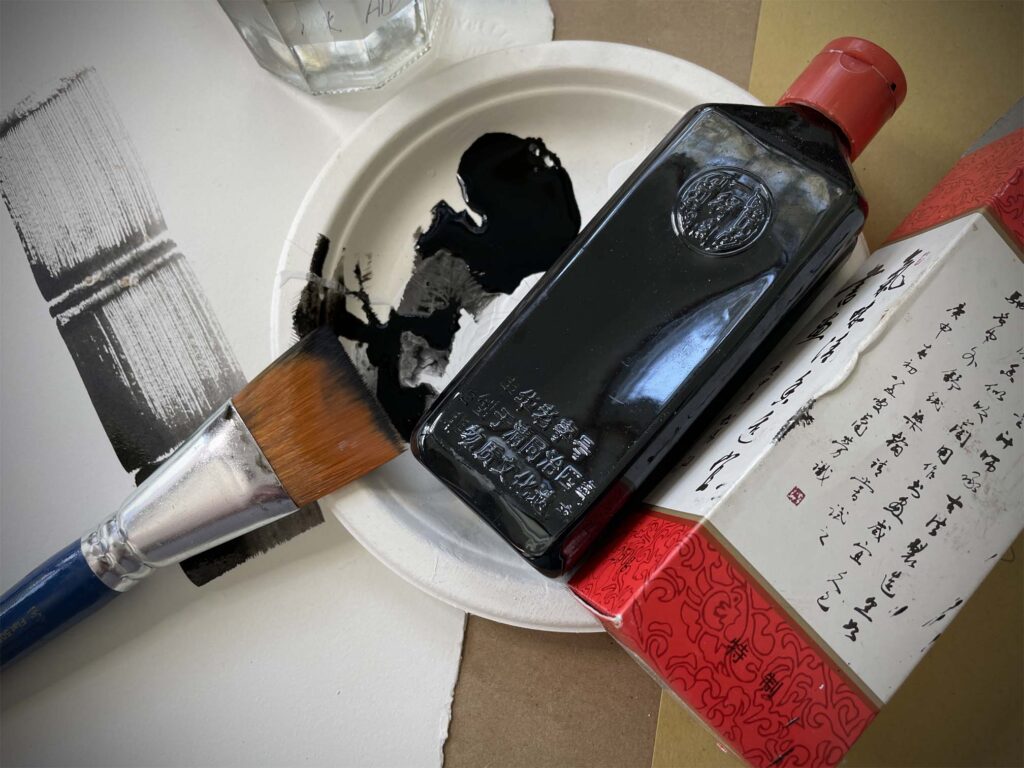
I’ve used the more common Black Sumi Ink for decades – it’s a delightful medium.

But the Gold Sumi Ink is a curious creature.

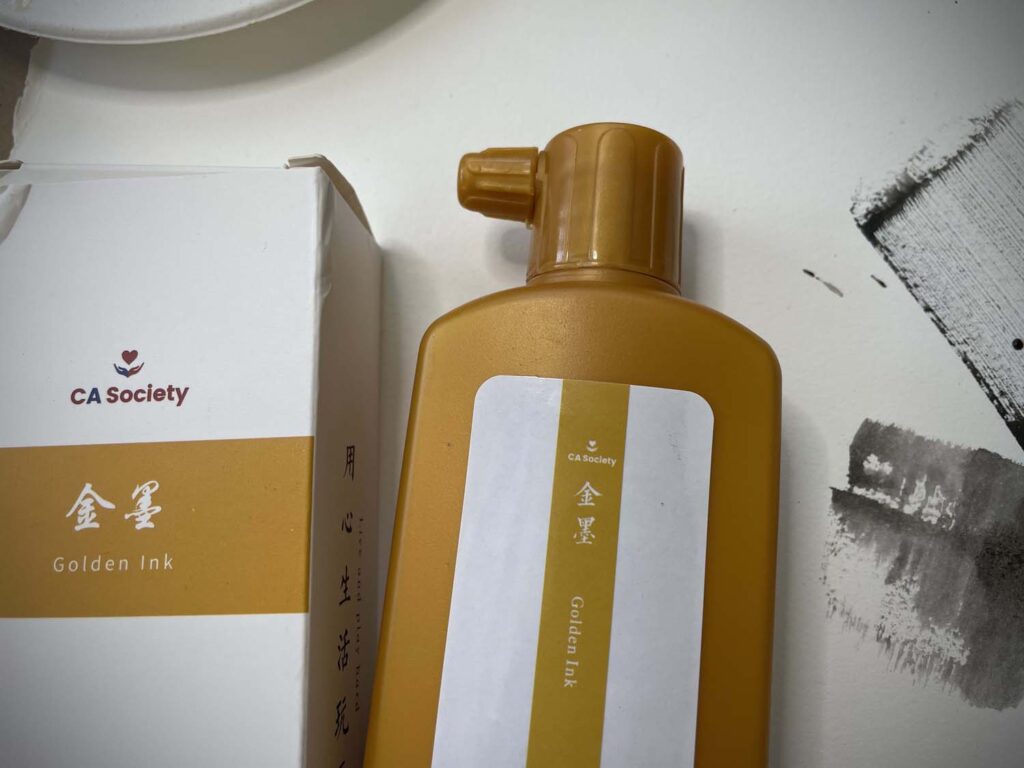
It’s apparently made of a binder with gold particles suspended in it, and it is both water soluble and also water resistant once it has dried.The description from the  purchase link is not much help, although I like the fact that is has “Chinese herbal medicine and precious ingredients” in it.

Gold Sumi Ink

  • Golden calligraphy ink is made from all-natural ingredients. Its high quality and concentration ensure a smooth dense texture.
  • While golden liquid ink is made specifically for traditional Chinese and Japanese brush calligraphy and painting it can still be used for any art form. The ink’s bright luster results in a deep earthy tone when used on Xuan paper.
  • Made with all-natural materials, including a variety of Chinese herbal medicine ingredients and precious minerals.

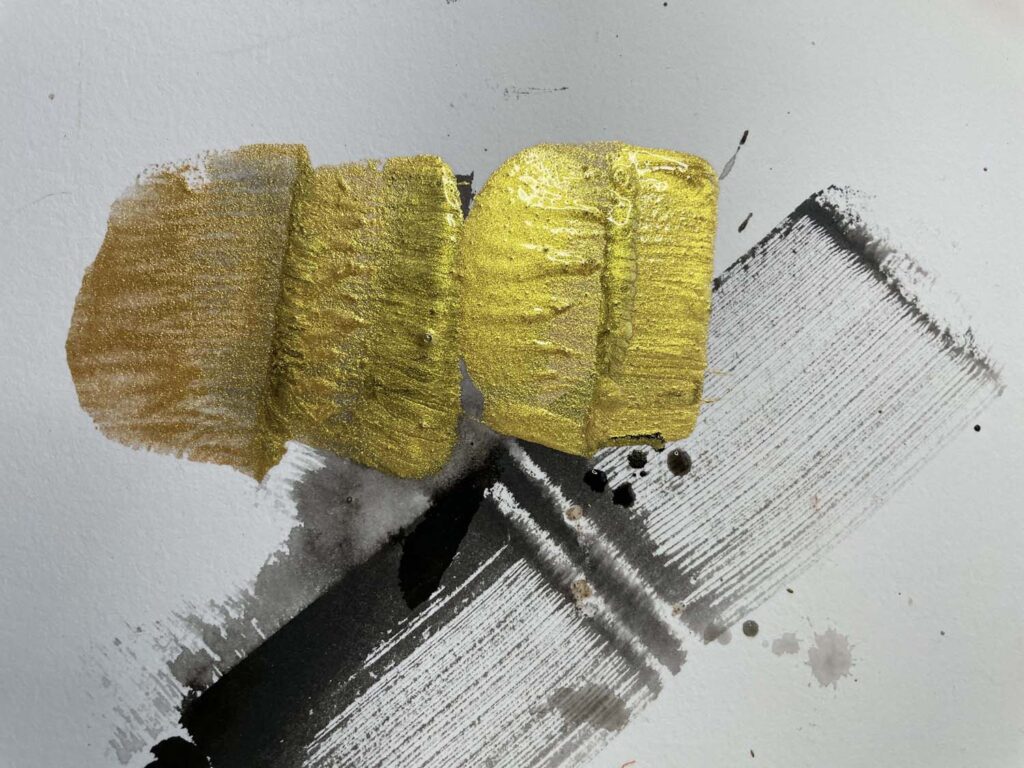
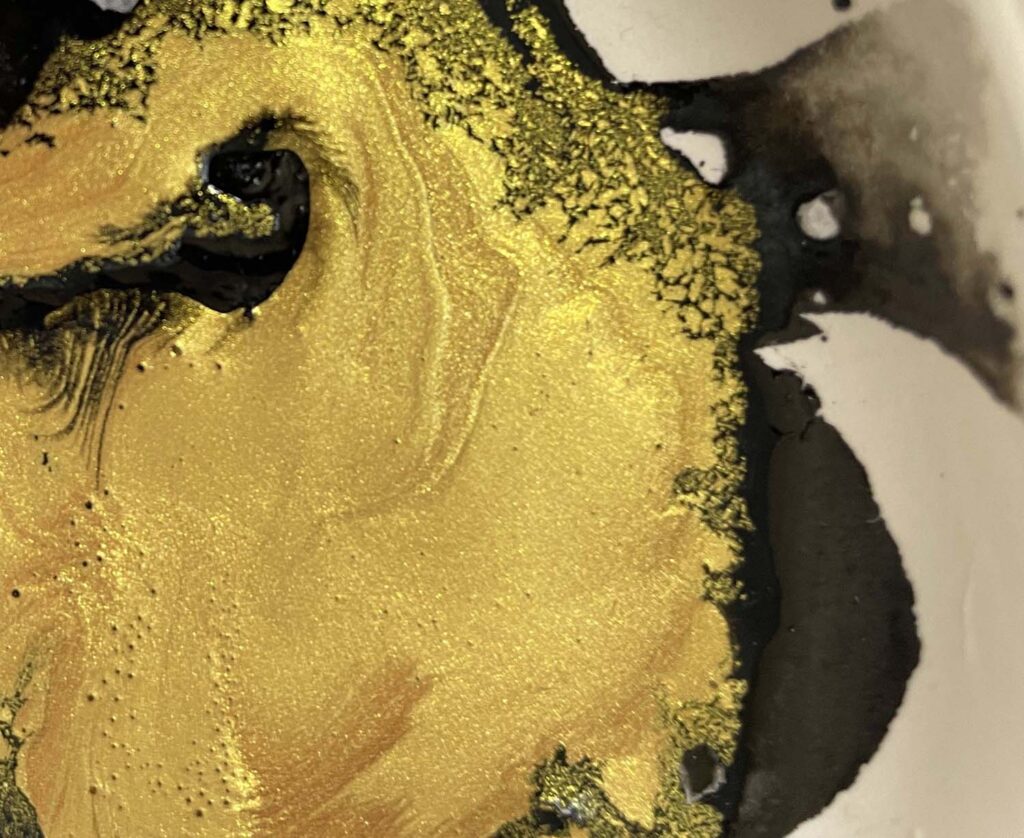
When you brush it on paper, it has an amazing metallic quality. It can be thinned with water to make a glaze.

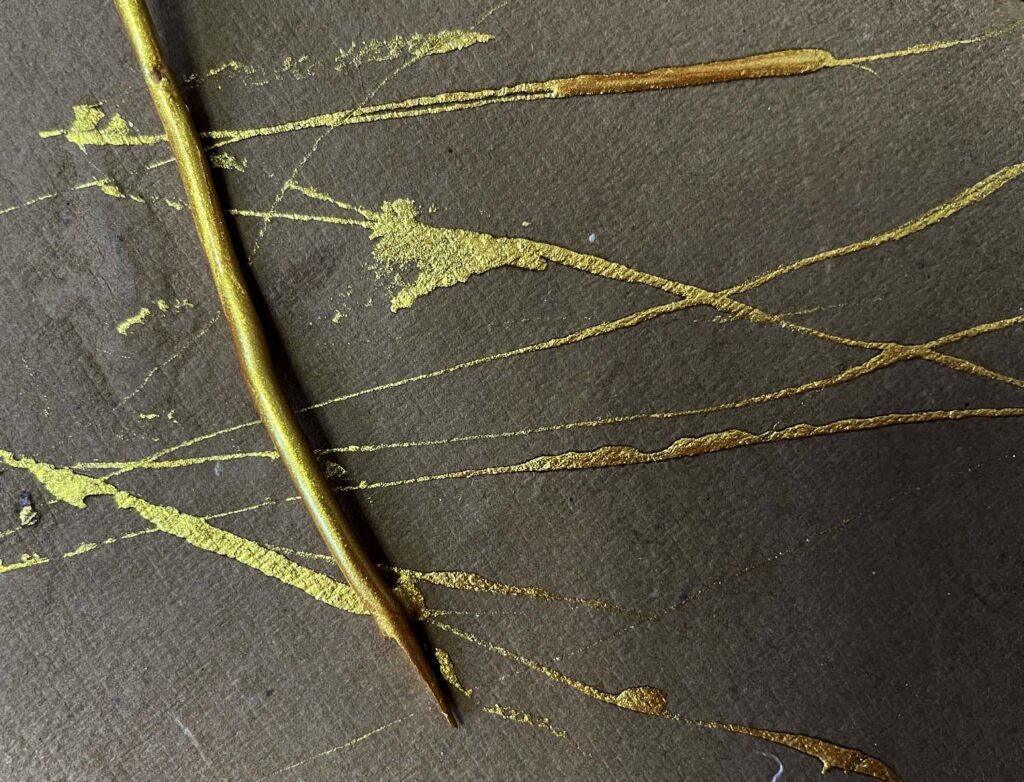
You can dip a stick into the bottle and make cool marks.

Gold Sumi Ink behaves differently on different surfaces. On an encaustic waxed panel, it sits on the top like India ink but when it’s fused, you can’t rub it off.

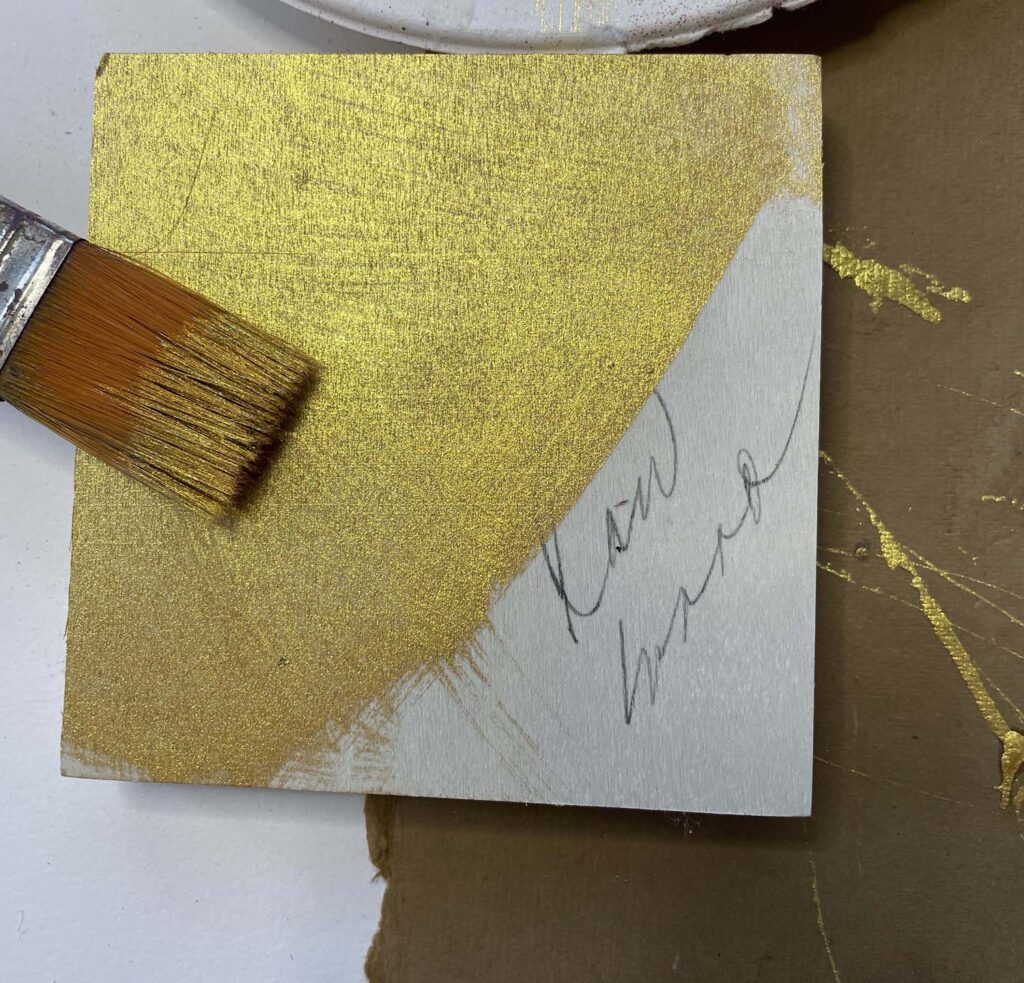
On of my best discoveries recently was using this gold ink on bare wood panels and on the sides of those panels. It creates a lovely “gold leaf” finish and bonds well with the raw wood.

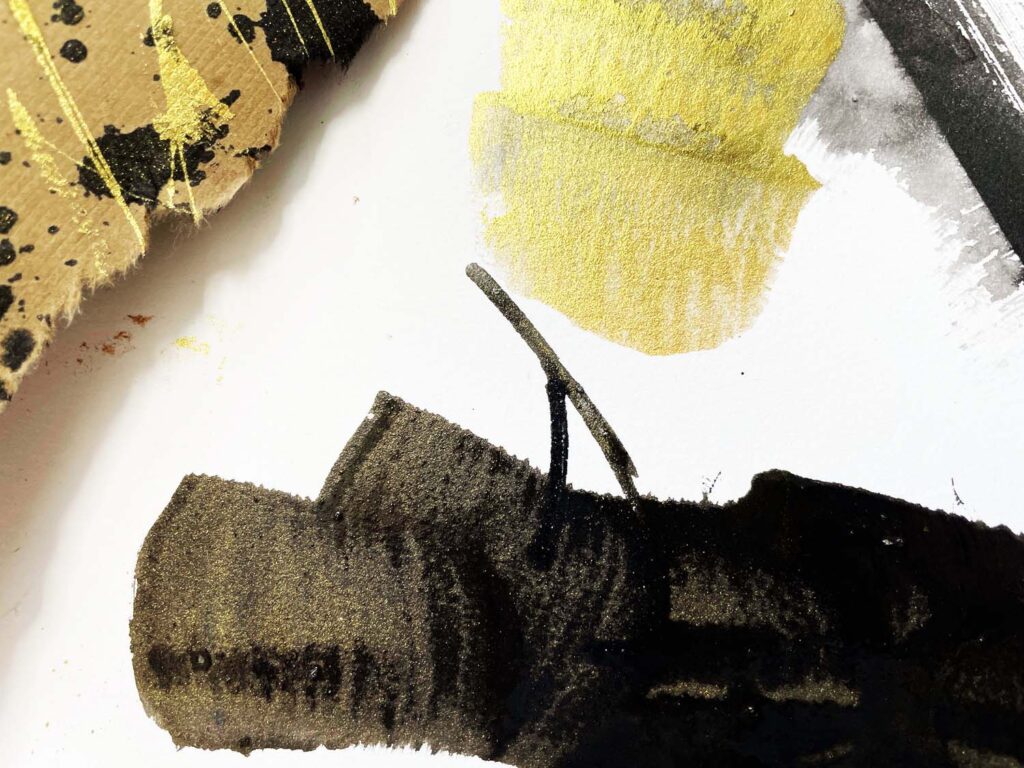
You can mix it with Black Sumi Ink and get a very dark bronze color.

But if the Gold Ink dries, the Black Ink just sits on top and won’t dissolve into the bottom layer. That must be the Gum Arabic in the binder?

There are several brands available. They cost between $15-$20 a bottle and a bottle last a very long time. I’ve used two different brands and they both seem identical in pigmentation and viscosity. My current brand is CA Society Gold Calligraphy Ink and I did get it through Amazon, but it’s made by a small Chinese Calligraphy art business called CA Society.

I gave some of the gold ink to my friend Barbara who is going to play with it, and if you decide to get some, let me know what you discover. Even if I just used it to paint the sides of my wood cradle board, I’d still like the stuff . . .maybe not as much as I like Walnut Ink, but it’s a most interesting addition to your studio materials.

By the way, if you want to learn more about the relaxing practice of Sumi-e Painting, sign up for my FREE workshop, right here.

Lyn


Broken Shards repaired — and Ireland Paper

For longer than I care to remember, SHARDS has been down for a technical glitch that I could not, for the life of me, figure out. But I finally dug out some rusty old tech-brain solutions and found the broken setting. Whew! Like Kintsugi (金継ぎ, “golden joinery”), the cracks are finally stuck back together . . . after several frustrating months.

So many cool things happened during SHARDS’ down time – major things, like Shannon Weber‘s workshop, the Wax & Wildflowers Exhibit with the IEA here in San Antonio, and the amazing experience of teaching in Ireland with Michelle Belto. I will eventually work backwards to talk about all this good stuff, starting with Ireland. Today I’m giving you a link to a video showing a technique that I taught in Mulranny – read on.

The amazing Lora Murphy of Painting with Fire had invited us to teach at an Art Retreat at the Essence of Mulranny., on the wild West Coast of Ireland during the last week in July. The place is indescribably beautiful – sky, sea, cliffs, sheep – Celtic fairy tale stuff.

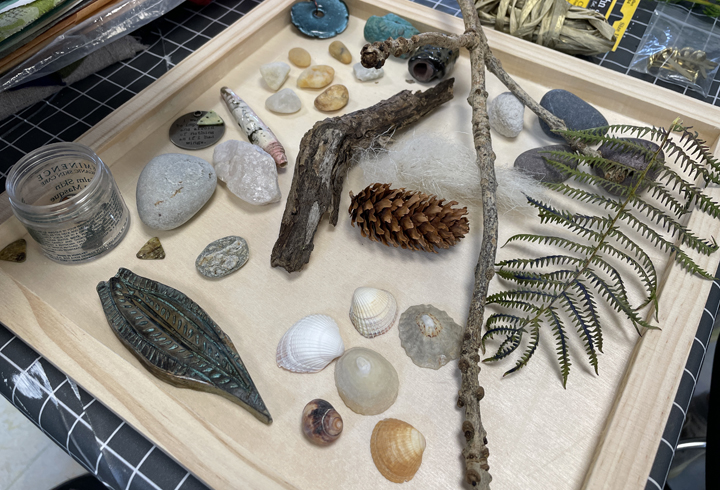
My part of the workshop involved creating a figurative representation of the Irish Goddess Aine. We collected objects and made collage paper as part of the preparation.

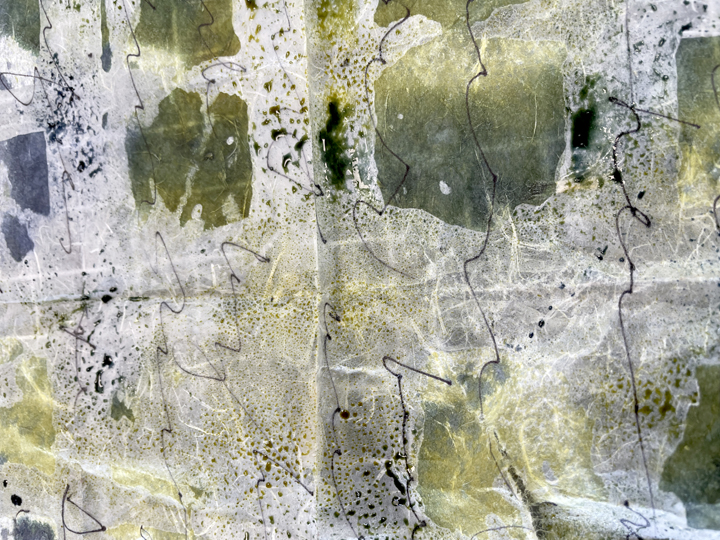
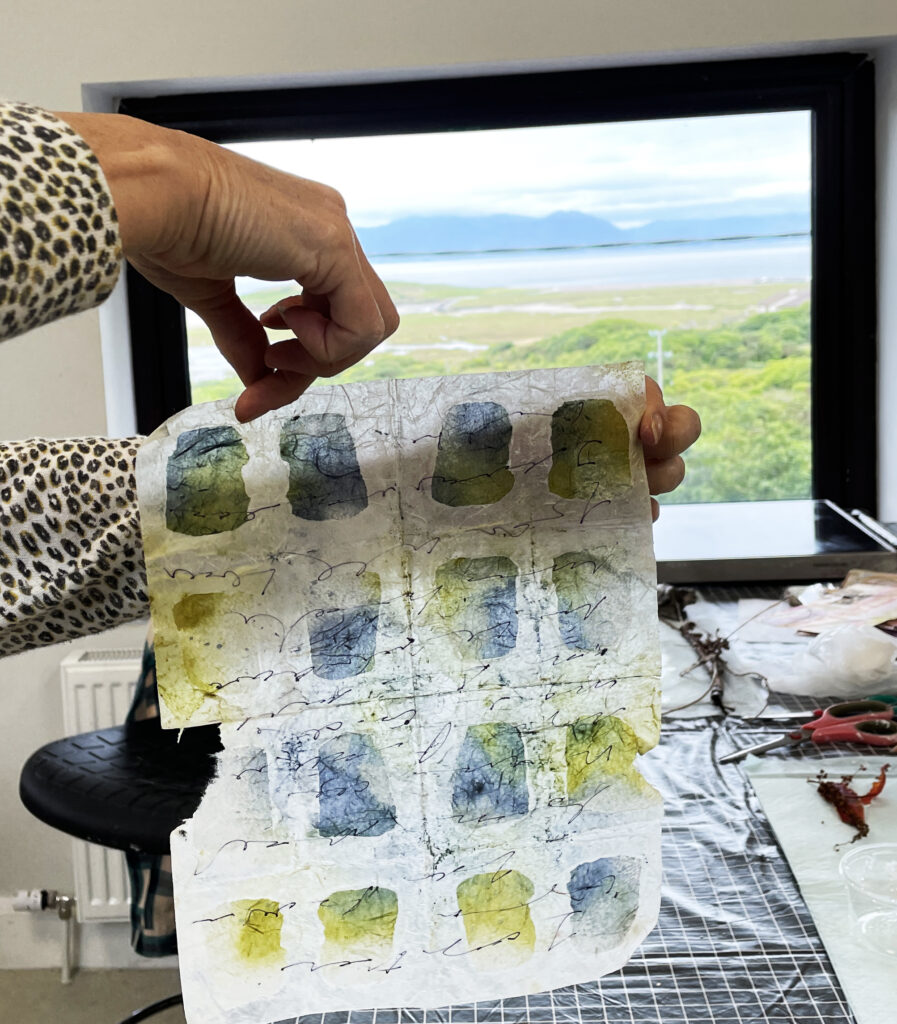
I called this collage paper “Ireland Paper” because it reflected the beautiful colors of the Irish countryside which you can see, below, out the studio window..

Lots of people have asked about how we created this effect, so I made a video for you yesterday on how we did this Ireland Paper. And this will be a reminder for those of you who went along with us to Ireland. The technique does involve hot wax, so if you haven’t worked with encaustic before, do your homework on encaustic safety if you decide to try it.

How to make Ireland Paper

But wait – there’s more! Below is a link to a video showing more of the creative things we did in the workshop to construct our figurative sculptures – wish you could have been there!:

VIDEO: Offerings to Aine: a Workshop in Mulranny, Ireland (Lyn Belisle)

It’s nice to be back – thanks for reading SHARDS!!


Follow-up on Secrets of Spirit Boxes – wow!

One of my life’s great joys is getting feedback and photos from artists who find a workshop useful and then adapt it to their own style and aesthetics. That’s exactly the purpose of teaching classes like the new Secrets of the Spirit Box.

Here’s a magnificent example from Patricia Mosca, friend and fabulous artist. She emailed me this morning, saying “I have attached a picture of a Secret Message Bearer that I did…(my style of course).”  Look!

And here is how she describes her creation on her Facebook page:

…secret message bearer…
we all have them…those deep secrets that we don’t share…the secret message bearer allows you to put your thoughts and words onto paper and hide them…each comes with a small box attached to the back where you can place your secret soul whispers so only you and the bearer can witness them…we all need a safe place for blessings and gratitude…


Just as she transforms the idea of Secrets of the Spirit Box, she also transforms my Earthshard faces by painting them in a realistic way that brings a different kind of life to them.

Brava, Patricia, for raising the bar on taking the basics and flying with them to new heights!

Another wonderful artist friend, Ann Leach, is also interpreting the Spirit Boxes and their secrets in her own style. Look at this assortment of her “Sea Sisters SEAcret Spirit Boxes.”

Ann is also the driving force behind the Call for Elemental Spirit Dolls. I’ll be talking more about this in detail, but for now, please follow this link to see more:

https://www.annleach.com/elemental-spirit-dolls

And, yep, that’s my Spirit Doll on the poster. Won’t you join in?


Descanso: art and healing

I am sharing this story with you without additional commentary other than the plea that we all hold in our hearts the healing power of art and our profound gratitude to those who make it.

DESCANSO:

A cross placed at the site of a violent, unexpected death, in memoriam.

A state of quiet and re-creation

A pause, a rest, a haven

The Email Conversation, June 22, 2022

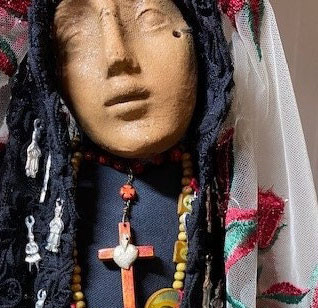
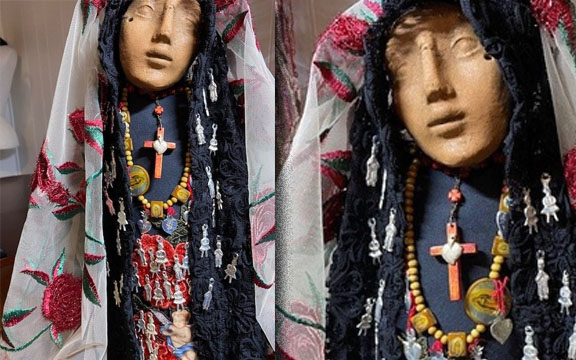
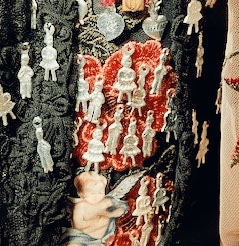
Lyn, I wanted to share the piece I created using the “Paloma” face I purchased from you some time ago. I created the Santa Madre Guadalupe altar “descanso” to remember all children who have died-victims of violence. It is dedicated to the little angels killed at the Uvalde school shooting. The “milagros” represent the kids. The hearts represent the broken hearts of their moms/dads. ~ Enid

Enid, this is beautiful and bittersweet. I would love to share it on my blog with your permission. Uvlade is so close to San Antonio and all of here are still mourning, as is the rest of the nation. Would you tell me a little bit about yourself as background? Would it be OK to share this with others as a healing gesture? Art heals in so many ways. I am very grateful to you for sharing this, and the little milagros speak louder than words could. ~ Lyn

The Response and the Story, June 23, 2022

I am 72, and an adult survivor of childhood abuse, neglect, maltreatment, and violence, I have been involved with, engaged in some form of PTSD recovery therapy for more years than I can count. While providing some small relief benefits, traditional talk therapy failed to help me move forward, to move pass the trauma. Taking my well-being and mental health into my own hands, I started to create art as an outlet to gain insight into my childhood experiences and to speak my truth.

It’s been 2 years now since I started creating my “healing art”, and I am just starting, just learning how to use healing art to express emotions too difficult to say or share while building inner strengths and developing inner emotional resilience.

My creation, La Santa Madre, expresses my deepest emotions in a way that words could never express and reflects my culture, religious upbringing, world views and values. Lyn’s clay art woman faces have been part of my artistic creations and personal journeys to mental, physical, and spiritual well-being for some years now. I start out every journey by holding and talking to the faces, asking,” Who, what do you want to be?” I listen and wait sometimes for years to hear the faint voice.

On May 24, 2022, I heard Paloma-Lyn’s creation, say to me, “I am the mother of the angelitos of Uvalde and of all children-victims of violence.” That day, I started creating La Santa Madre Guadalupe Descanso . The children milagro charms represent the many children who have lost their lives to violence. The corazones represent their parents’ hearts, broken and too often buried with their children.

One milagrito is my son Billy who died in 1992 as a result of a driver’s poor judgement. One milagrito represents me and the childhood I lost.

Enid Sepúlveda Rodríguez
New Mexico
6/23/2022

Thank you, Enid. You have touched many hearts today.

Lyn