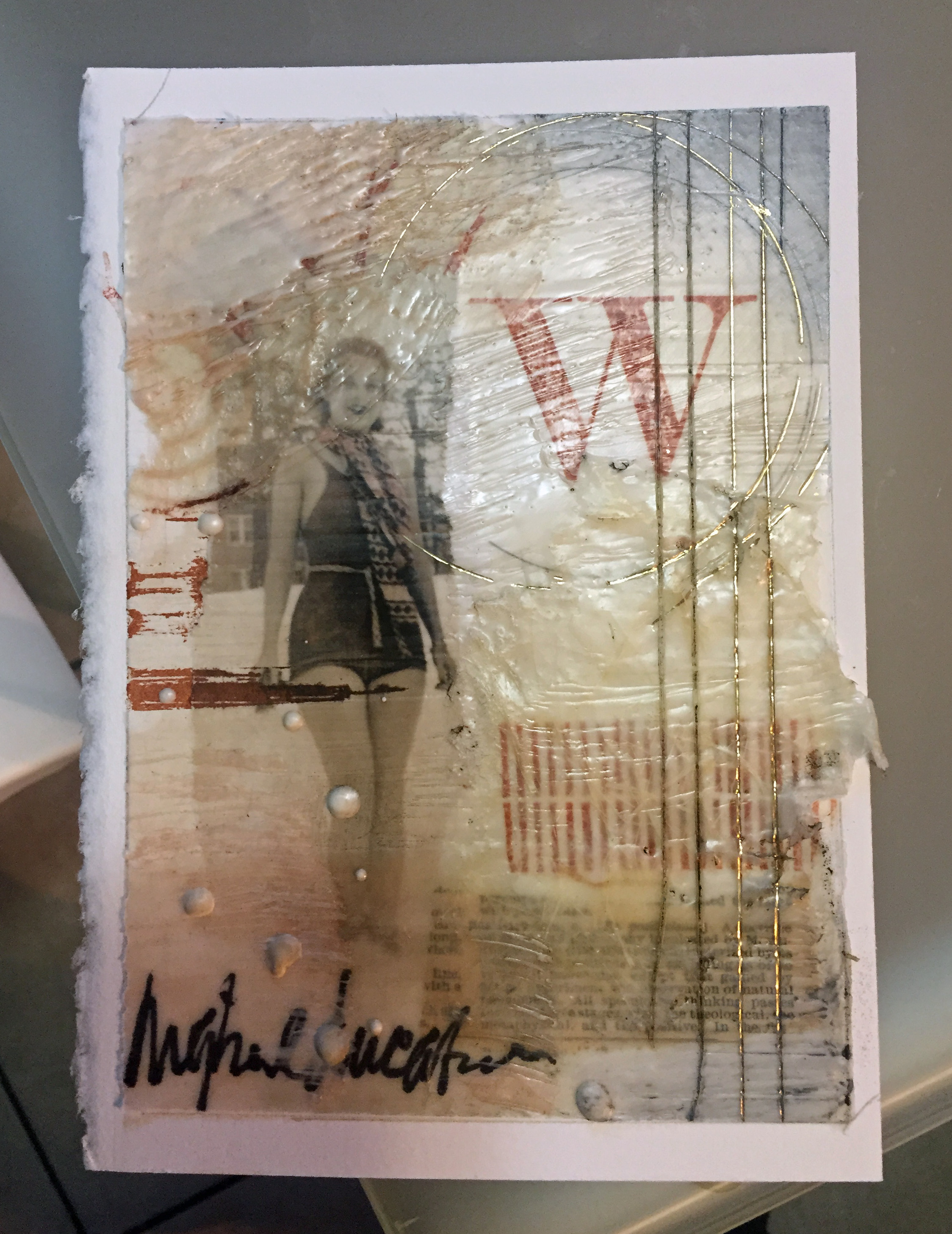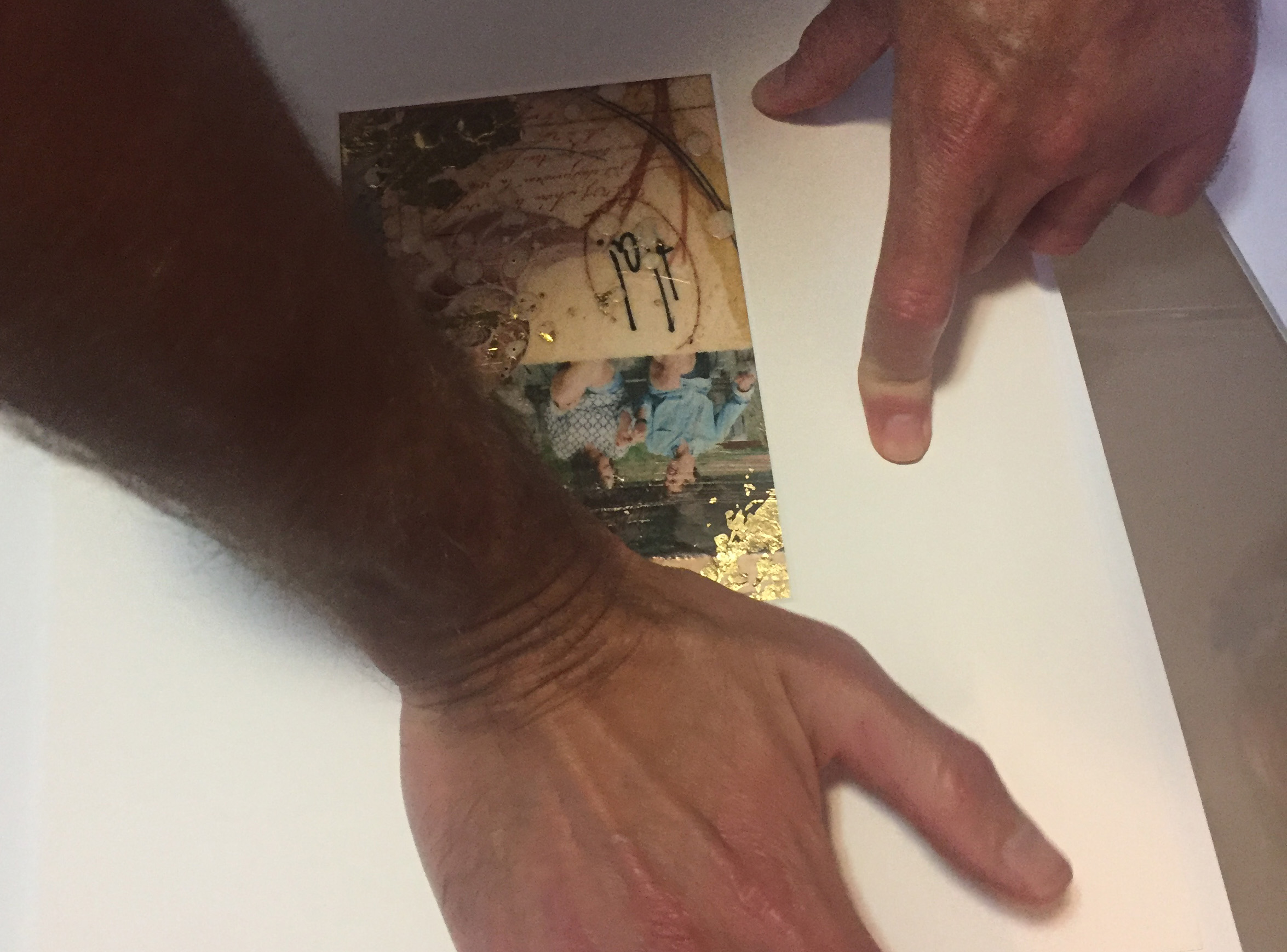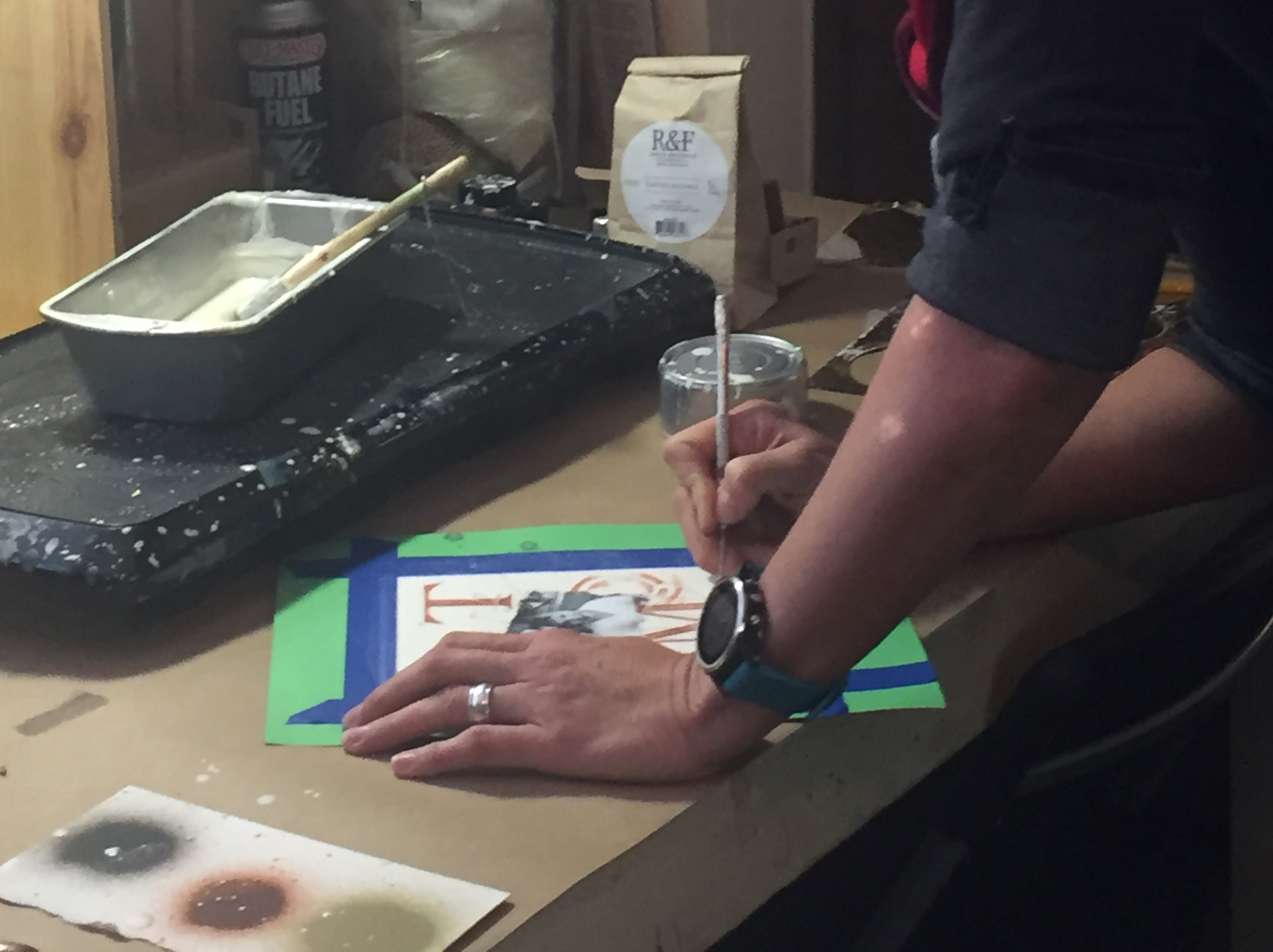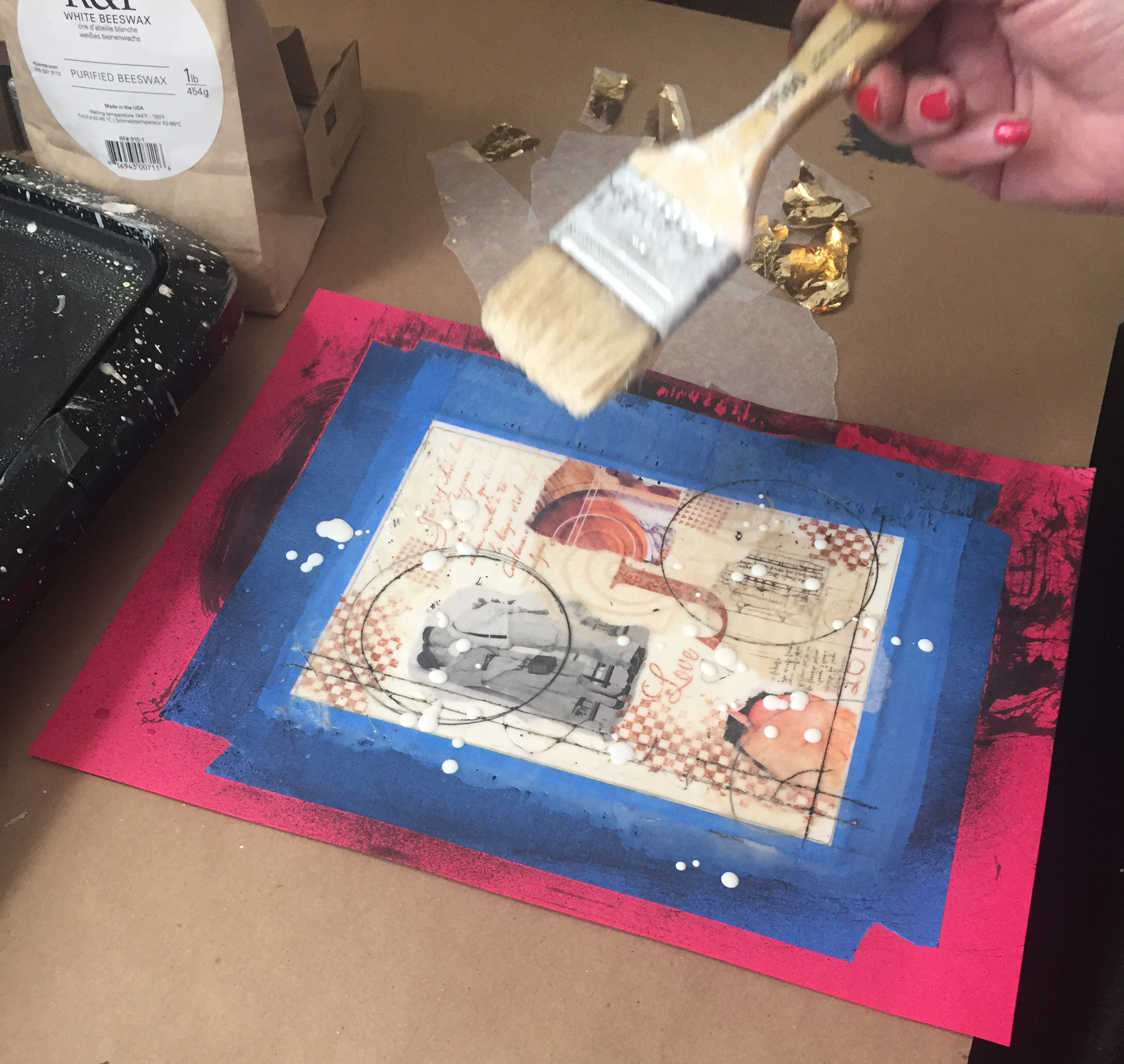
Free-for-all encaustic inspirations by Nancy Crawford

 What artist doesn’t get frustrated when other obligations keep you out of the studio?? Argh. Lately, I’ve been living vicariously, stealing a few minutes on Pinterest or You Tube to take mental notes on what I’ll do when I have time to get back to serious art-making.
One of my “band-aids” for frustration is Nancy Crawford and her wonderful short YouTube videos on encaustic techniques. She is as generous with her methods as Jane Davies is with her painting videos.

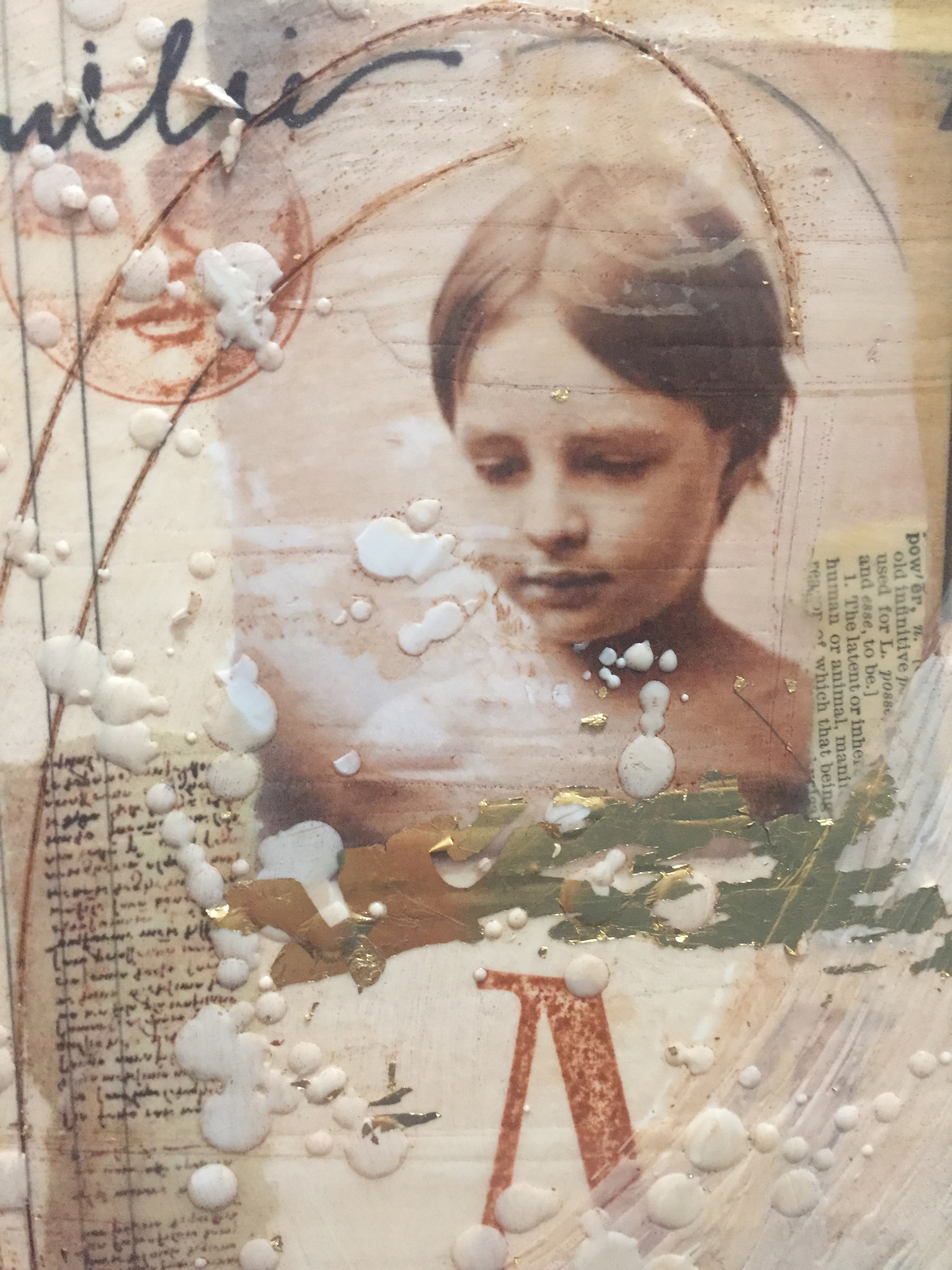
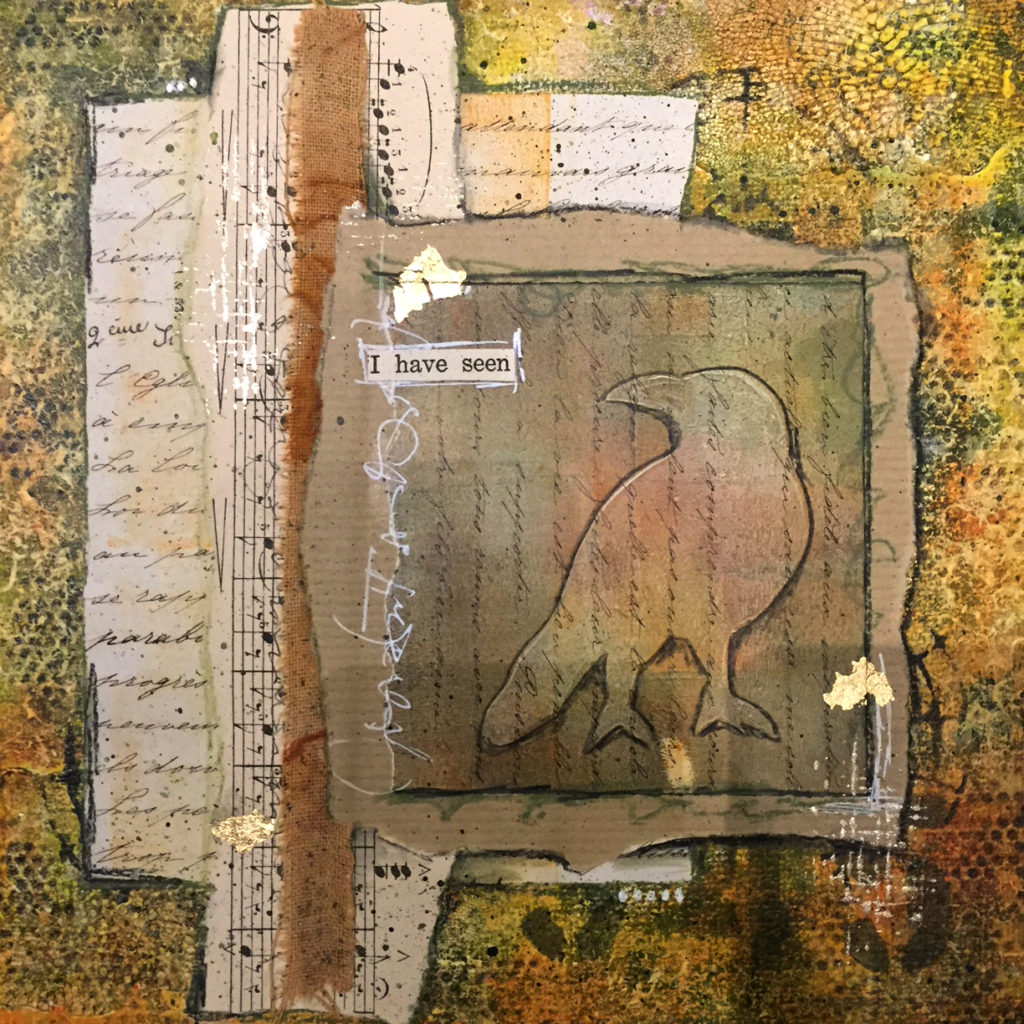
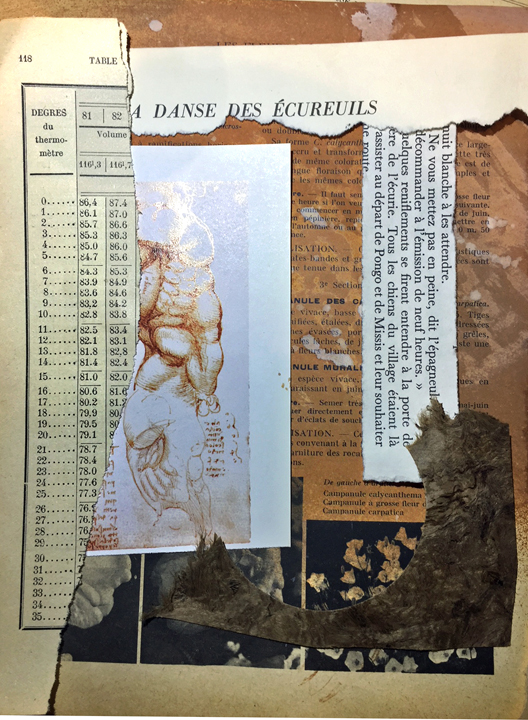
Take a look at Nancy’s work. I absolutely love her style and the way she layers the wax. Of course, anything that involves collage and beeswax is manna to my soul!

Nancy Crawford

Nancy Crawford

Here’s a link to her You Tube Channel

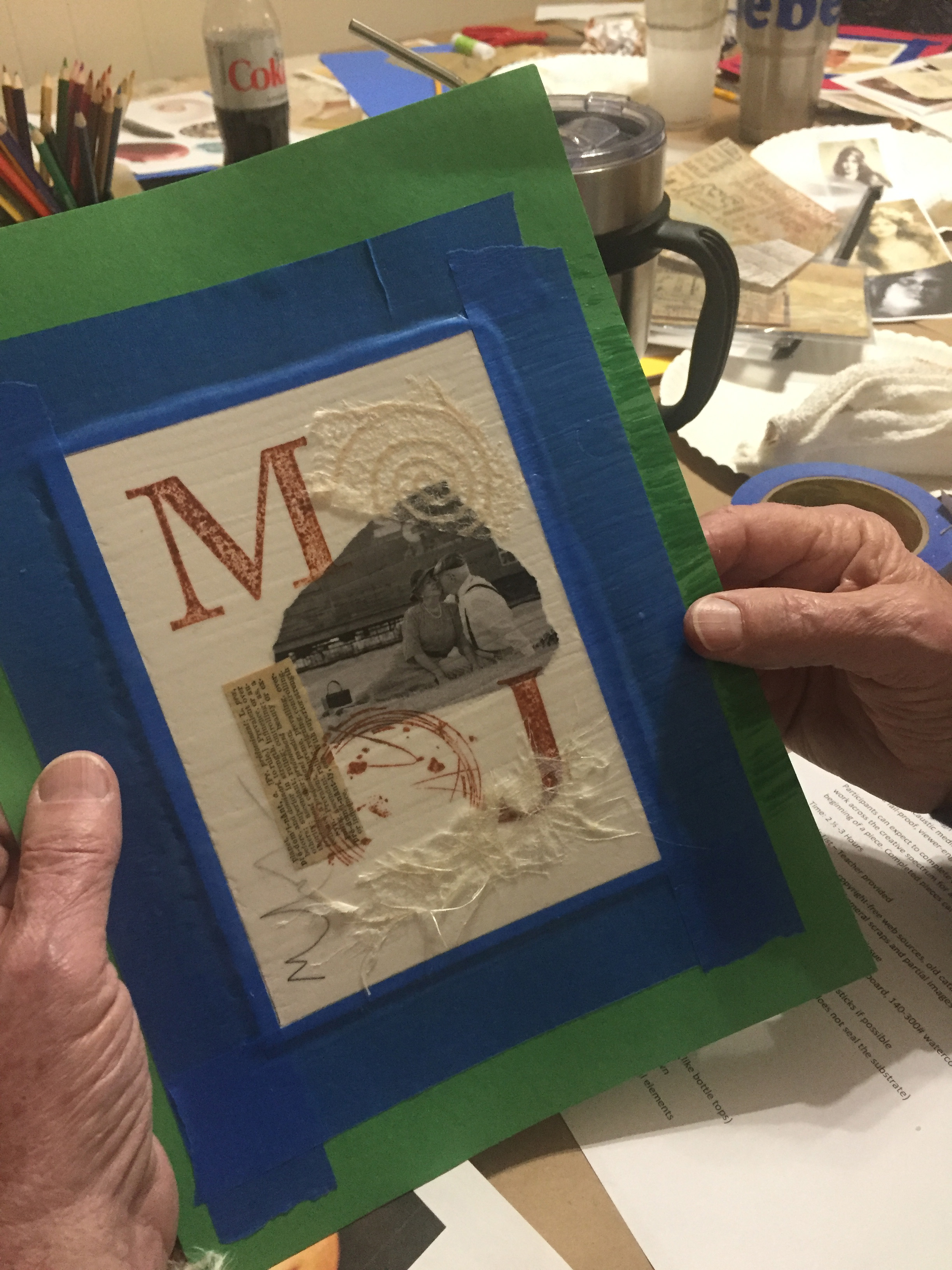
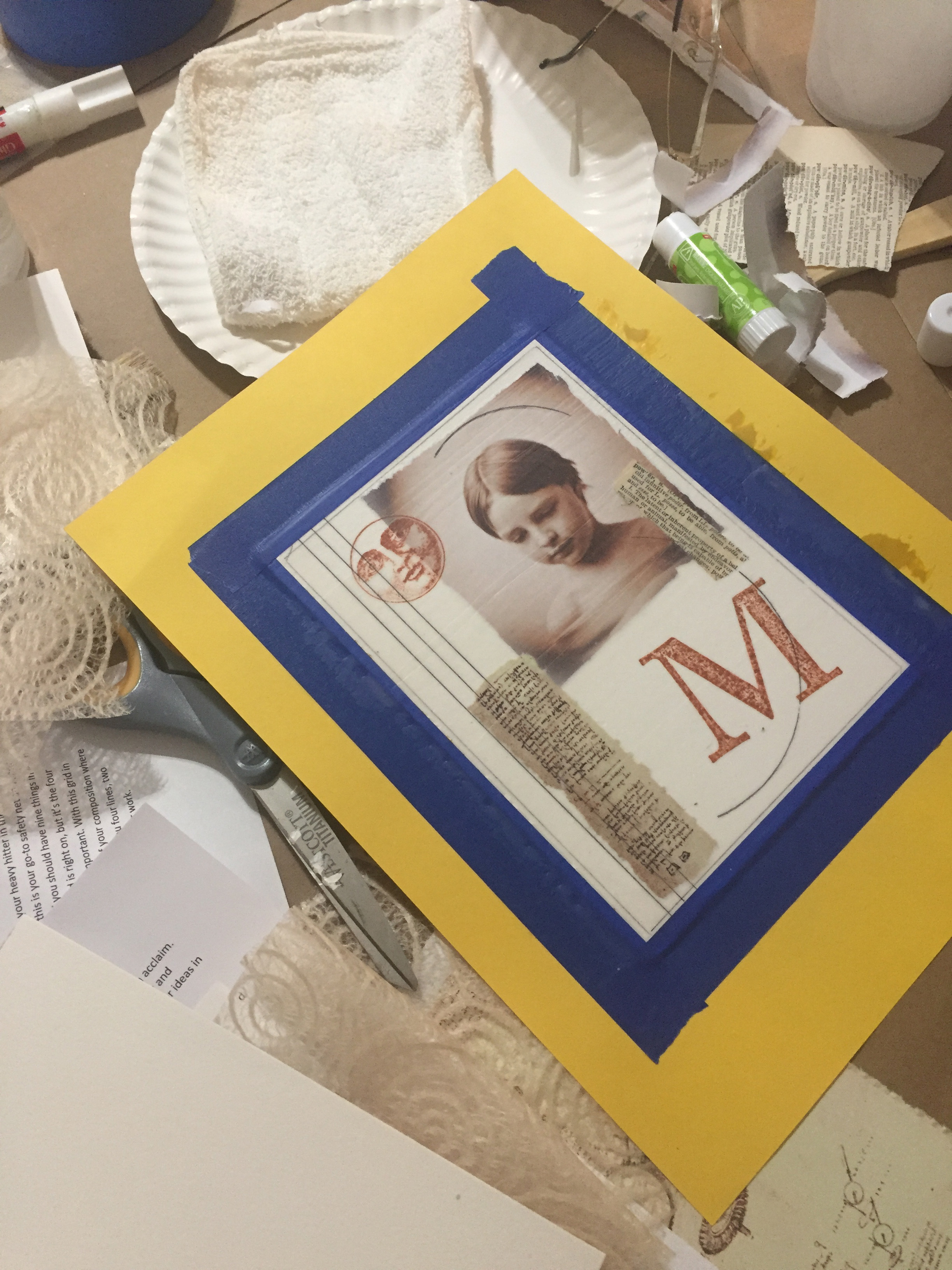
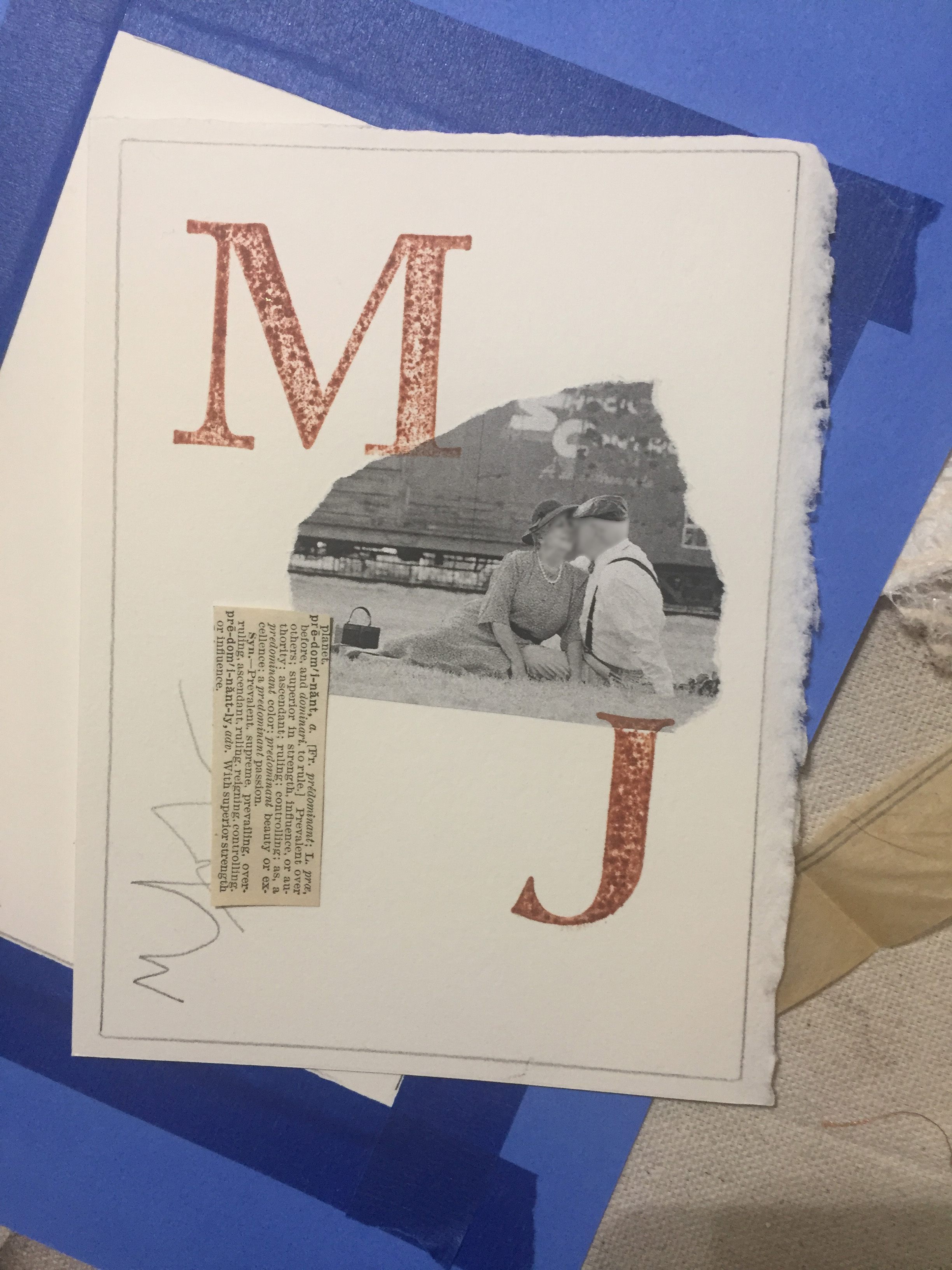
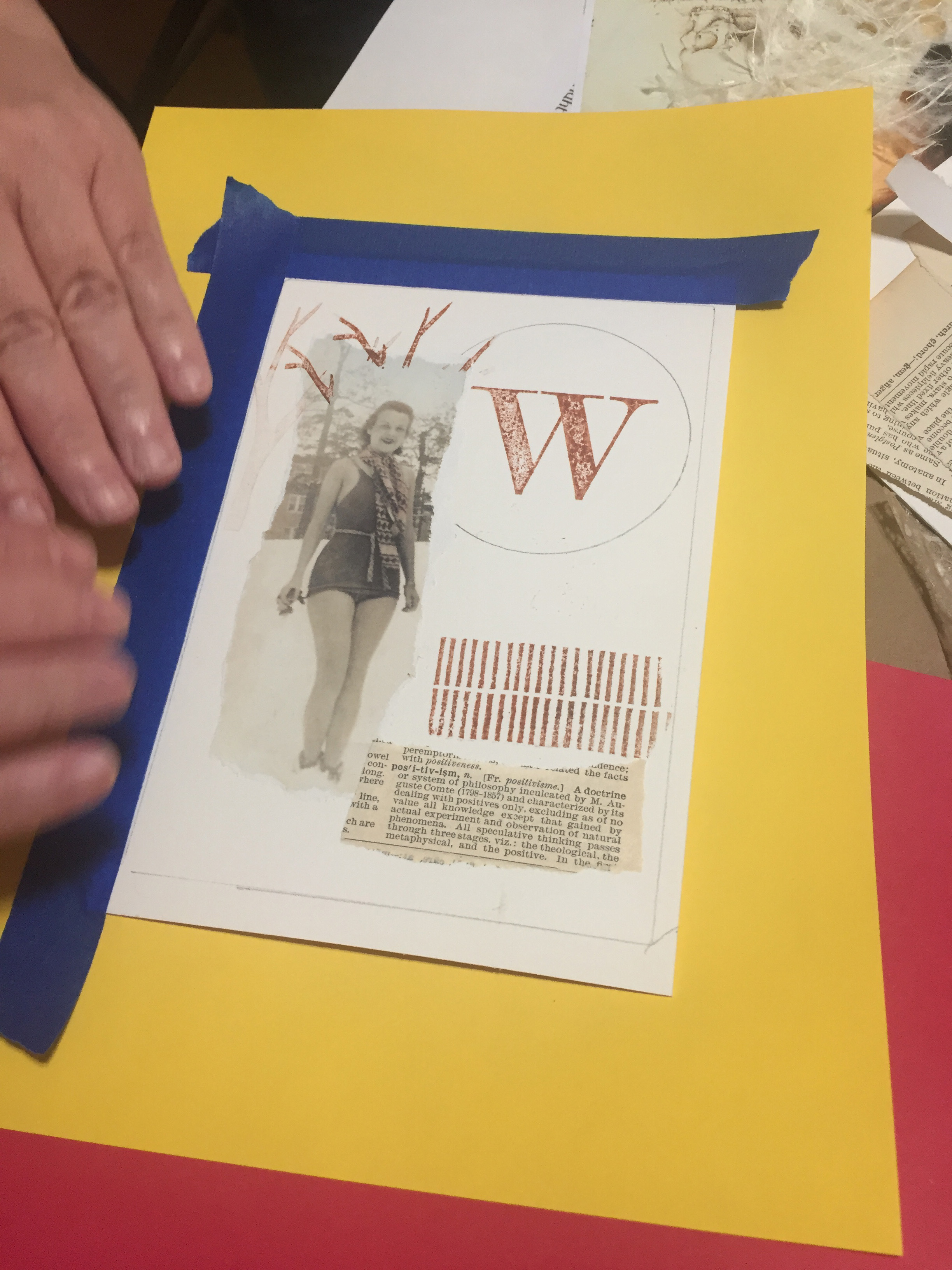
Nancy’s work inspired me to teach a workshop last year called Wax and Words. I modified her techniques a bit with stencils, stamps and scribbles – the results were super! I need to revive that workshop this winter at the new Little Studio. All I need is more time to do it!

If you just want a sample of Nancy’s great tips and have two minutes, here are three quickies to get you inspired when you don’t have time to do the work yourself.

Encaustic Technique 13 Transparentizing Paper

Encaustic Technique 12 Hot Wax Stylus

Encaustic Technique 7 Metallic Powder

Hope you’re enjoying this cooler weather in South Texas – it’s almost beginning to feel like Thanksgiving!

Save

Save

Gratitude for art and community

Yesterday afternoon was tinged with disbelief as news of yet another incident of violence, this time very close to home, began to spread. We were at the San Antonio Art League & Museum welcoming people to  the annual Members Invitational in which four artists who were finalists for SAALM’s Artist of the Year were invited as a group to show their work. As I talked with people, I thought a lot about the power of art to communicate and heal.

Every artist in the exhibit had statements of joy or hope or peace, expressed in his or her own medium and voice. Heartfelt thanks to Rachel Edwards Ridder, whose fiber works of artists’ hands celebrate life-long creativity, to Dona LeCrone Walston with her serene, powerful rocks and river watercolors, to Lee Ricks (who continues to paint well into his 80’s) for his keen observations of our beautiful landscapes, and to Sallie Stanley Carter for the brightly colored portraits of people with stories to tell. Each of you gave us a sense of community and comfort yesterday afternoon.

As you look at the video of yesterday’s opening, I hope you can see the celebration of the arts that has always sustained us. Many thanks to the artists, to the great behind-the-scenes guys who installed the exhibit, and to the people who were there – if you haven’t seen the show, please do come by. It’s a wonderful look at artistic optimism just when we need it most.

Members Invitational Exhibit opens at the San Antonio Art League & Museum from Lyn Belisle on Vimeo.

San Antonio Art League & Museum
130 King William St
San Antonio, TX 78204


Save

Five things that make a really great workshop

All five things were in place yesterday at the San Antonio Art League Studio where seven of us gathered to construct little folding candle screens.

On the practical side, these make wonderful adornments for a table or mantle, and they are perfect gifts.

On the creative side, the process allowed us to experiment with many different techniques. And we got to practice our measuring skills!

Here’s the list of elements that made the workshop great:

  1. Focus and limits – we focused on mixed media collage strips that were 4″x12″ to construct small folding three-dimensional screen for electronic votive lights
  2.  An engaging process with an end in mind – we worked toward the specific construction of an object while paying attention to the process of surface alteration
  3. Limited materials, unlimited possibilities – we began with two methods – one included altered magazine paper with metal leaf, and the other included torn paper images. Each method has hundreds of possibilities and combinations
  4. Generous participants – everyone was willing to share both ideas and materials. When something wasn’t working (e.g., the paper was too wet to cut) we helped each other solve the problem
  5. Reflection and practical anticipation – we celebrated when we saw our candles lighted. Each one was different. We talked about how the process could be improved, expanded, and altered, but agreed that what we had done was absolutely perfect!

When you look at the video, try to see how each of the participants found different solutions to the concept of constructing these folding collage cards. It was indeed a great workshop!

Lyn Belisle Workshop at the San Antonio Art League: Votive Candle Collage from Lyn Belisle on Vimeo.

Here’s a list of the materials we used – very simple (I don’t believe in requiring expensive specialty craft products):

  • 9×12″ construction paper or other medium weight paper
  • Two 4×12″ pieces of decorative paper
  • 4 2.5” square pieces of translucent vellum or translucent rice paper
  • Two ½” bands of contrasting paper for side trim
  • Compass or large round hole punch
  • Craft glue or double-sided tape
  • Stamps, stickers, metallic pens – whatever “de-lights” your heart
  • Small twigs, reeds or sticks (optional)
  • A battery votive tea light
  • and – voila!!

Mary Ann Johnson’s work in progress

I’ll be scheduling more workshops soon, both at the Art League Studio and at my own studio! Stay tuned, and happy fall weather in San Antonio – at last.


Save

A great encaustic share

Working on an encaustic collage in my small studio space

You all know how much I enjoy teaching workshops with beeswax and collage, and some of you have my eBook about this, called Behind the Veil. One of the main points in my book is the fact that you don’t have to spend big bucks and have a giant studio to work with wax as an art medium.

I am happy to report that there are lots of other people who are using a simple setup for exploring this fun technique. One of the best I have come across recently is artist Laly Mille. She is incredibly generous in sharing her techniques, so rather than re-inventing the wheel, I want to pass along her information to you. Click on the image below –

Laly gives you a one-page overview with two excellent videos, including this one:

Honestly, you can almost smell the beeswax when you watch this! She also has a simple but complete list of materials as well as sources on finding them.

I am so grateful to artists like Laly who share their experiences and knowledge freely so that we can all create together. I’m headed back to the studio to heat up my griddle and do some beeswax layering – Laly has inspired me 🙂


Save

Thoughts on a studio anniversary.

A year ago – almost to the day – I said goodbye to my studio in Carousel Court. It was a hard goodbye. The space had been a gathering place for workshops, art shows, Show-and-Tell Saturdays, poetry readings – many things to remember and cherish. I truly miss that place, but it had become a huge responsibility, too big (and expensive) for one person to keep up forever.

Here’s a look at one of the early workshops there with beloved guest artist Sherrill Kahn. It was so much fun!

A month after I closed the doors forever, I found a smaller place just down the street from my new house. It has four rooms, lots of storage space, and reasonable rent.

Some of you have been there – thanks! Because of downsizing, and new responsibilities at the Art League, my workshop schedule had to be adjusted downward. Arg!

But ironically, on this anniversary weekend, I had two workshops at the new little studio, both of which were delightful (and neither of which was on my website calendar).

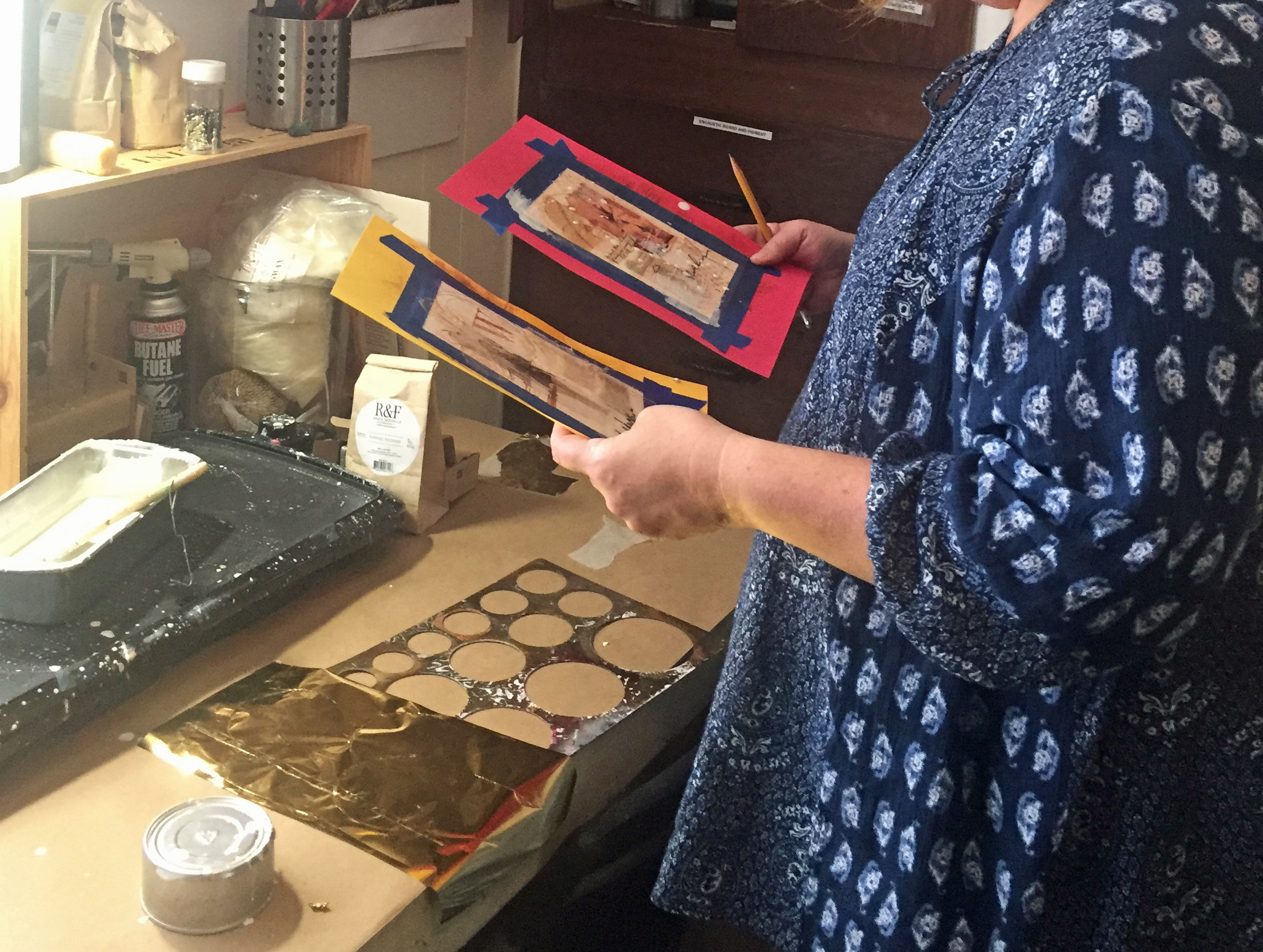
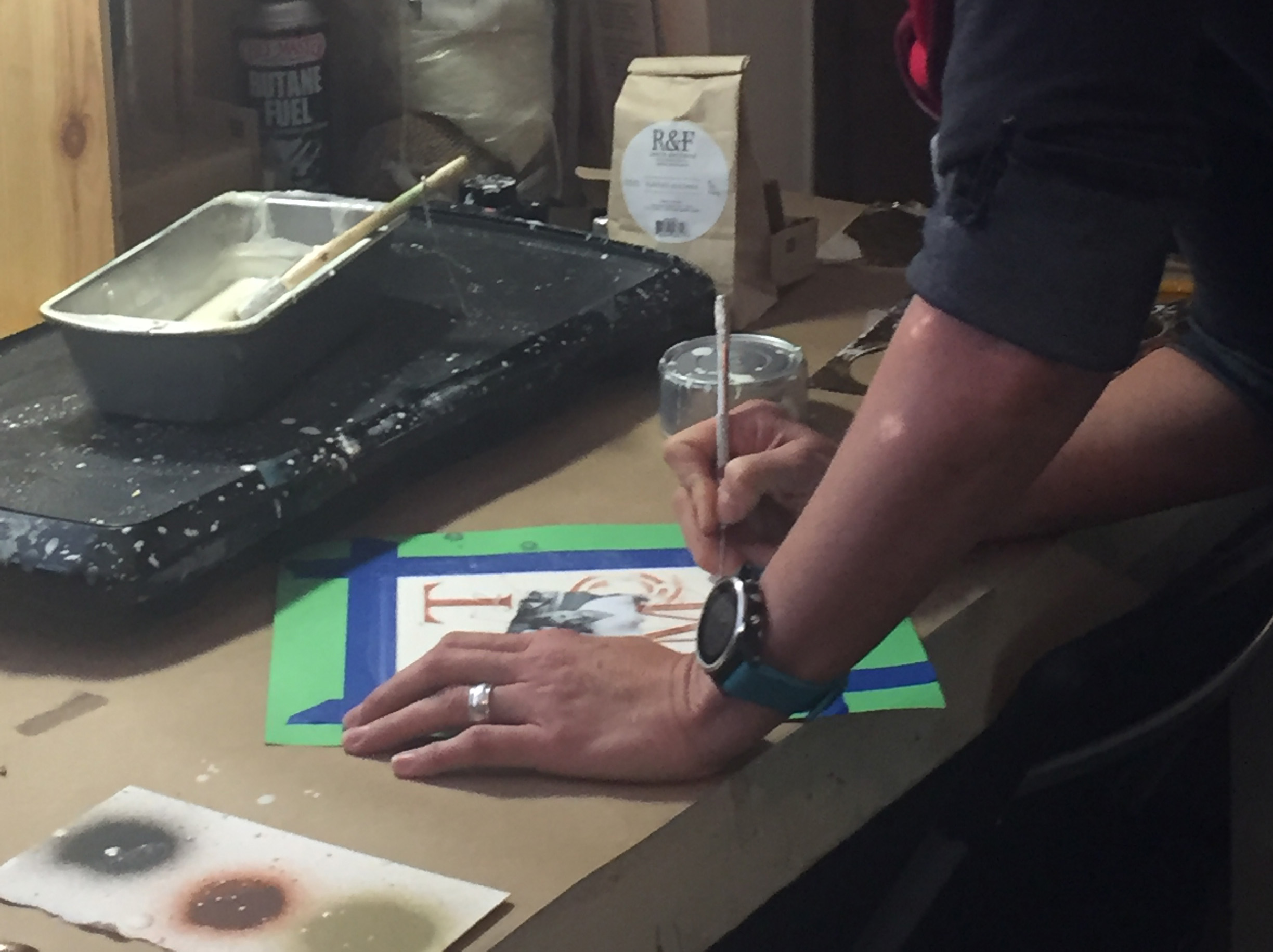
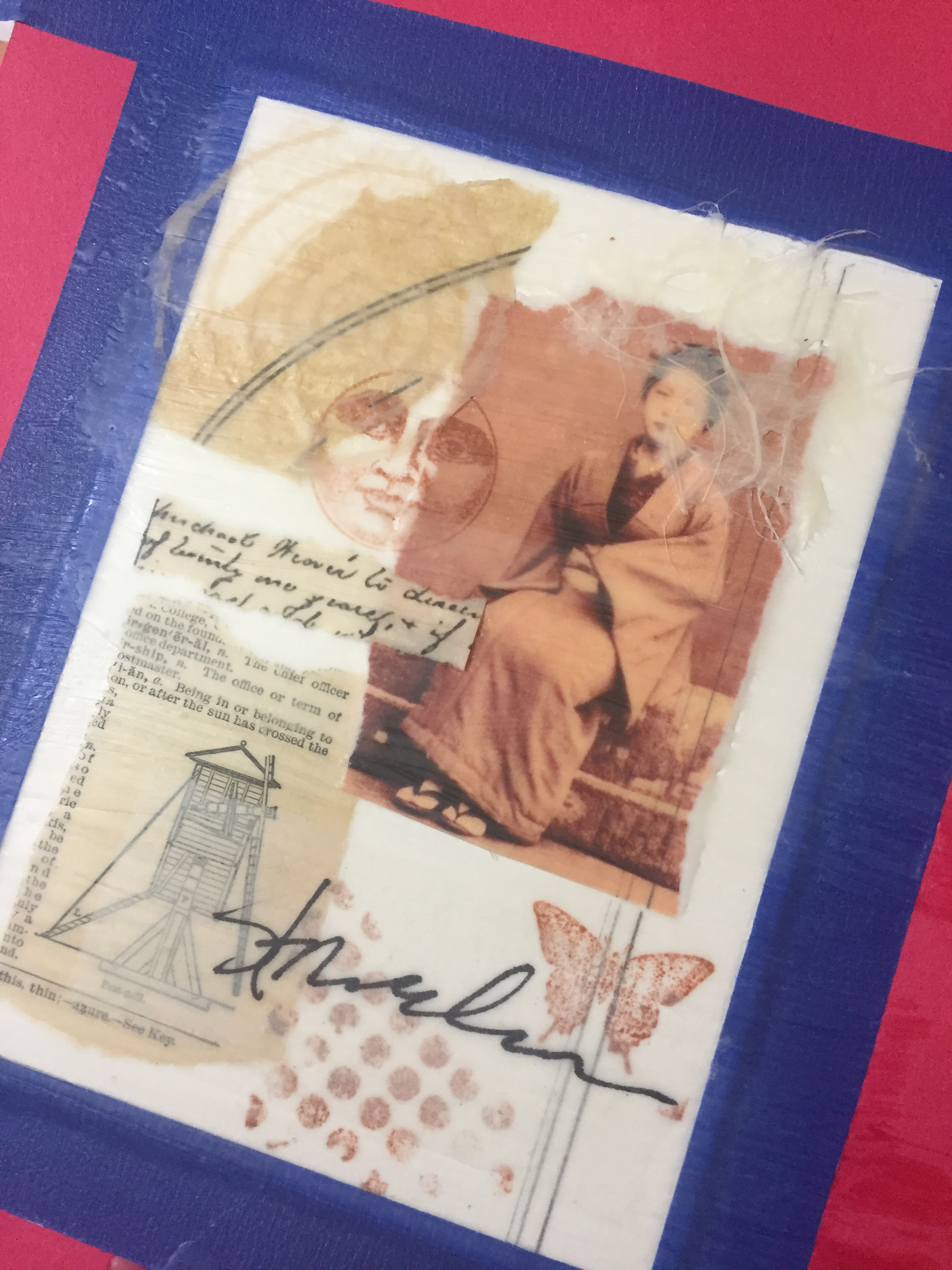
The first one on Friday the 13th was organized by six friends who wanted to learn some encaustic basics. They contacted me, and we scheduled it at their convenience.  We did a variation of the “Behind the Veil” vintage photocollage workshop. We worked with layered beeswax, oil paint, book foil, walnut ink – all the fun media that gets good results. Here’s a video of that “workshop-by-request” gathering:

Lyn Belisle Workshop: Encaustic Collage by request from Lyn Belisle on Vimeo.

The second workshop on Sunday was my old favorite, Creating Spirit Dolls. I have a group of friends who went with me three years ago to Whidbey Island when I taught with Joanna Powell Colbert. They had been wanting to learn to make spirit dolls, and so we did it! Here’s that video – it’s so interesting to see how different everyone’s turned out.

Making Spirit Dolls at Lyn Belisle’s studio in San Antonio from Lyn Belisle on Vimeo.

I love teaching workshops! And as I look back on this year, I’m feeling the loss of those gatherings at the old studio. In the new place, we are limited to six people in a workshop, but that’s actually a good number. If you have a group of four to six people who’d like to learn mixed-media together, let’s talk. Workshop-by-request is a great concept.

I’m also going to expand online workshop offerings through some new ebooks with videos, starting with the popular “Postcards to Myself”. I got the nicest letter from an Etsy buyer yesterday, which gave me some encouragement:

“Dear Lyn,
Please continue making the e-books for people like me who live in another state and want to learn and experiment…am so excited…youre such an inspiration…thanks for sharing…and with your open heart all that you share and give will come back 10 fold to fill your heart and spirit as you have done for myself and others.”
  Jacque in Washington State.
Finally, I have high hopes for the studio space at the Art League on King William Street. With good luck and some anticipated financial support, that studio may become the kind of gathering place that the old Carousel Court studio was. We’re having a workshop there on the 29th, and there are still two spaces left. Join us and give us your ideas and feedback

Workshop at the Art League Studio on King William Street

Looking back, it’s been a crazy, exciting, challenging year and one that has confirmed how much I love teaching and learning with all of you, no matter when, where or what! I hope to see you soon. Thanks for your support and friendship 🙂

“The secret of change is to focus all your energy, not fighting the old, but on building the new.”

― Socrates

Save

Save

Save

The art and science of aromatherapy – essential oils and Alzheimer’s Disease

I’ve studied and used essential oils since 1989 and was actually teaching workshops on their uses way before I began teaching art workshops. In the late ’90s, Dr. Bill Kurtin and I partnered in sharing research-based information about aromatherapy with social agencies and college classes, and set up our informational website, called Chemaroma, in 2006.

Bill is a biochemist who chaired the Chemistry Department at Trinity University for many years. We’re married now, and since Bill retired from teaching, he’s had time to do more research on current studies about essential oils. He’s just written an article for our Chemaroma blog summarizing recent research on essential oils and Alzheimer’s Disease. Here’s the link to the complete article, which I think is wonderful and encouraging.

In his article, Bill writes, “The research . . ., as well as much work not mentioned, strongly suggest that EOs may provide an excellent alternative, natural, widely available, and inexpensive treatment for AD, particularly for easing the symptoms of the disease.” He writes for a general audience, who, like me, have trouble with scientific complexities – whew! It’s a fascinating premises that could help millions.

If you have not any in-depth reading on the science of aromatherapy and need an introduction, here’s a good background article from the University of Maryland Medical Center. And, or course, you can always go to our website, Chemaroma, for more info.

I’ve always relied on Clary Sage essential oil for getting past creative blocks – the name in Latin means “clear eye” – and its smell is intoxicating.  Here’s another take on essential oils from an artist on the Craftsy site.

Bill and I are especially interested in essential oil research that pertains to our aging population – anything that will help all of us stay alive, engaged, and creative longer is worth pursuing! Read and share the article, Are Essential Oils Useful in the Treatment of Alzheimer’s Disease.” It’s a good one.

Save

Celebrating arts diversity – clay, glass, fiber

Vincent van Gogh wrote, “I am seeking. I am striving. I am in it with all my heart.”

Good artists keep refining and redefining their medium, pushing boundaries and asking questions of themselves and their fellow artists. The San Antonio arts community has this kind of commitment – deep roots and diversity that would make any city proud. And they share and collaborate.

This evening, the San Antonio Potters Guild and the San Antonio Glass Art Guild are joining together to meet at the San Antonio Art League, viewing and discussing the work of sculptor and painter James Hendricks. And later in the fall, the Fiber Artists of San Antonio will tour the Art League Museum. I love this city and its multi-talented artists!

Speaking of the Fiber Artists, I was lucky enough to get a sneak preview of Friday’s opening of the 43rd Juried FASA Exhibit. The photos of the work are amazing.

Here’s a short video of some of the work you will see at Friday’s opening:

Fiber Artists of San Antonio: Preview of 43rd Juried Exhibition from Lyn Belisle on Vimeo.

And here’s the exhibit info – the juror, nationally know fiber artist Doshi, has done a remarkable job in her selective process:

  • FASA 43rd Annual Juried Fiber Art Exhibit
  • Opening Reception: Fri., Oct. 13, 2017, 6-8 p.m.
  • Exhibit on display: Fri., Oct. 13 – Fri. Nov. 17, 2017
  • Semmes Gallery, University of Incarnate Word, 4301 Broadway St.
    San Antonio, TX 78209

Doshi is not only a discerning juror and curator, but a fantastic fiber artist herself. While she is in San Antonio, you can meet her and see her own spectacular work. She creates exquisite hand dyed clothing in original designs that range from contemporary to traditional. Her technique uses knotting, pleating, rolling, pressing or sewing during the dyeing process. The resulting designs are the memories of the method used to resist the dye.

Want to see for yourself? You’re invited!

Art is everywhere in every form. Celebrate it and share it – and even wear it!


Save

Workshop: light a candle

Sometimes it seems as if the world gets scarier and scarier, and it’s awfully hard not to get discouraged. We just have to keep focused on creative ways to keep ourselves centered so we can continue adding a little beauty to life’s journey.

That’s not exactly the way I intended to talk about this upcoming workshop, but it seems fitting. I’ll be teaching once again at the San Antonio Art League studio on King William, and we’ll be lighting things up with a votive candle collage project. The date is Sunday, October 29th and the time is 2-5 PM.

I wrote about this project for Cloth Paper Scissors magazine a couple of years ago, but now I’ve added the idea of personal collage to the basic structure.

We’ll spend a relaxing three hours talking about art and life while we create these collage votive cards. I’ll provide all materials, including the little switch-on candles.

You’ll add your personal touches through the collage elements and the colors you choose.

There are four spaces left at this writing, and you can sign up here on my website.
A portion of the tuition will benefit the San Antonio Art League & Museum.

Let’s shine some light together. I am so grateful for you all —

Save

Assemblage assembly tricks – and a place to get inspired

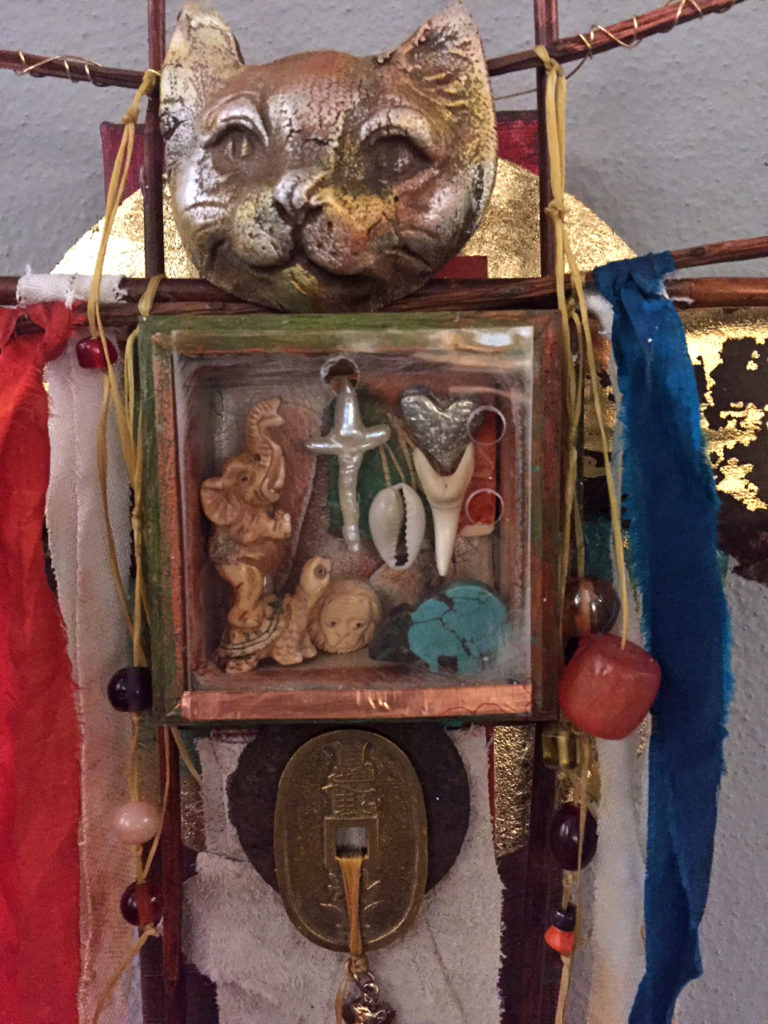
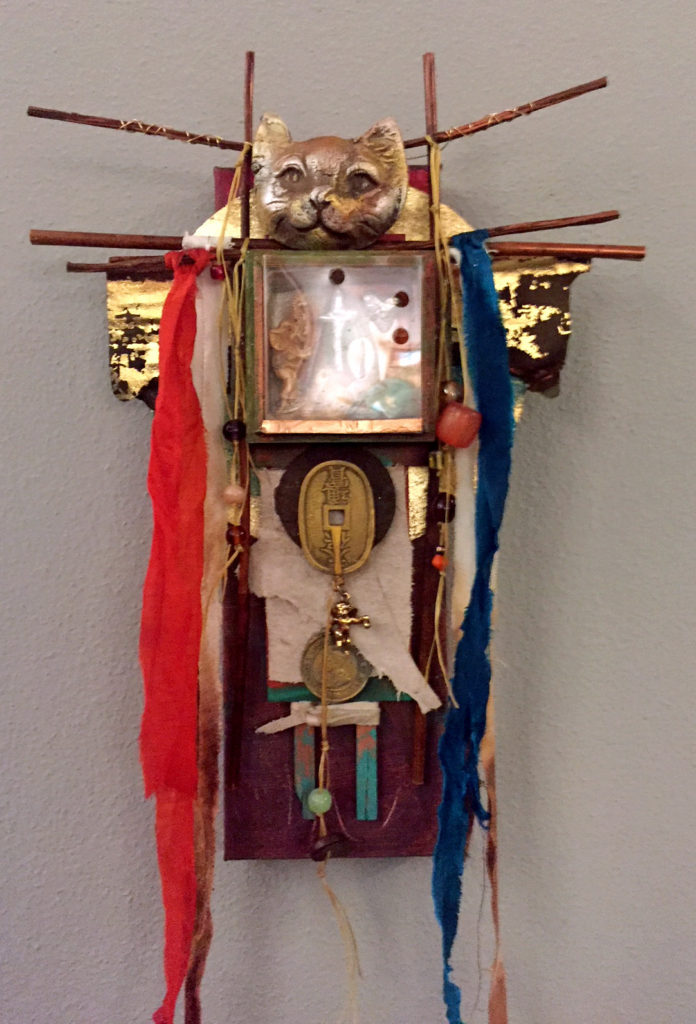
Stick with me, Kid – I’m been furiously creating assemblages for the last month for Marta Stafford’s First Friday opening in Marble Falls – be there!

“Assemblages” by definition mean you have to stick stuff together, and I’ve learned more about attaching stuff to other stuff than I ever thought possible. Here’s a quick look at some adhesives and glues and how I use them.

GLUE STICKS:

I use these to tack layers of lightweight material to each other before attaching them to more permanent surfaces. In this photo, you can see that the layers of amate paper are stuck together to keep them from shifting. I’ll go over the surface with beeswax soon, but right now a glue stick is perfect to keep them from shifting. I like Scotch Permanent glue sticks, BTW.

E6000:

If you have two different materials, such as clay and wood (below) and can weight the pieces for several hours, E6000 is a great solution. The self-leveling formula forms a powerful bond with most any material and will remain flexible once cured. You just have to be patient (which sometimes doesn’t work for me).

HOT GLUE GUN:

This is the method I most often use in my workshops because you get an instant bond. You can work quickly and It is the most versatile adhesive you will find. I have had some pieces come loose after a few years, so I discovered a trick that I’ll share.

When you are ready to hot glue two objects together, such as a clay face to a piece of archival matboard, put a small dab of E6000 on the substrate and then hot glue the objects together right over the E6000. The hot glue will bond immediately, and the E6000 will cure gradually and provide a stronger bond. And you get instant gratification.

2P10:

I have to thank my contractor for this tip – he told me about this stuff. Man, 2P10 is scary strong and scary fast! The piece below got its designed changed because I made a crooked bond, but it turned out great – happy accident.

You have to be absolutely ready to make the attachment and work quickly. I would advise you to practice with some scrap pieces before using the two-part system. Follow the cautions. But if you want to glue a Volkswagen to a tree, this is the stuff for you!

This piece has metal glued to paper glued to clay glued to wood glued to canvas – etc – but 2P10 works on almost all surfaces. Use with care.

Hope some of this helps you with your own assemblages.

BUT WAIT!! If you want to see some of the most beautiful assemblages in the universe, go to the Bijou Theater tonight at 6:00 for Celebration Circle’s Altar show!!

ONE PEOPLE, MANY PATHS: The Sacred Art of Altars 14th Annual Exhibit & Silent Auction is a must-see!

Tickets are just $15 and are available at this link.

Here’s a list of participating artists, and you can bet you’ll be inspired to get out there and glue stuff to other stuff after you’ve seen this spiritual altar assemblage exhibit!

Maria Alvarado, Zet Baer, Lyn Belisle, CeeJay Black, Bill Bonham, Pam Bryant, Susan Calkins, Sofia Dabalsa, Susan Damon, Steve Daniel, Lynn Denzer, Sandy Dunn, Jane Dunnewold, Dani Ferguson, Sarah Ford, Betty Franklin, Karl Franklin, Joan Frederick, David Anthony Garcia, Skip Gerson, Suzy Gonzalez, Martha Grant, Rudi Harst, James Hendricks, Jon Hinojosa, Dawn Horten, Jagwired Art, Julie Jarvis, Joy Jimenez, Stefani Job Spears, Amy Jones, Deborah Keller-Rihn, Mark Kohnitz, Kevin Lewis, Fontaine Maverick, Marcia Rae McCulley, Jeff McDaniel, Beverly Meyer, Kathy Miner, Jose Mojica, Susie Monday, Alexandra Nelipa, Ray Palmer, Cindy Palmer, Junanne Peck, Cynthia Phelps, Kathleen Pittman, Theresa Powers, Tomas Ramirez, Thom Ricks, Patsy Sasek, Ron Schumacher, Bill Simons, Chuck Squier, Jodi Stauffer, Melanie Strybos, Pamela Taylor, Dean Valibhai.


In retrospect . . .

Delaware artist Rebecca Raubacher at her retrospective exhibit, Rehoboth Art League

What is a “retrospective”? In art-speak, it’s an exhibition showing the development of the work of a particular artist over a period of time. I met Rebecca Raubacher last Friday in Rehoboth Beach, Delaware, at an event honoring her and her retrospective show at the Rehoboth Art League. Here’s one of her early drawings.

Debby, Rebecca Raubacher, 1976

Talking with her got me thinking about how our paths as artists change and build over the years. Rebecca has always been a consummate draftsman, and her current paintings have a lot of mixed media drawing techniques with oil sticks and metallic inks. Her themes of faces and figures has continued throughout her career.

Rebecca Raubacher, 2015, Watercolor, graphite, sepia ink, and metallic and opaque markers on paper 11 in x 14

So here’s the question for you – have you gone back recently and looked at your earlier work? (This is not a “have-you-gotten-better” question – who even knows what “better” is anyway.) And it doesn’t matter if you’ve been making art for one year or fifty. All of us choose what to keep and what to leave behind. That choosing and abandoning gives us our “style.”

Thanks to a house fire in ’83 (arg), I don’t have much of my earliest undergrad work back in the 60’s. I did take a photo of this piece called “Datachip” which I did in 1979. It’s hard to get a good photo of a drawing behind glass, but you get the idea.

Lyn Belisle, Datachip, graphite and PrismaColor, 24×30″, 1979

Shortly after that, I abandoned drawing for a while and started making a series of large-scale origami kimonos and other large collages which sold well in the ’80s and ’90s.

And like a lot of other artists, I was doing commercial art along the way, like these covers for the NEISD Community Education program – they were mostly collages, too:

And my love for clay has always followed me around – here’s a bowl I did in the 80’s – faces and clay!

So the things I’ve kept are clay, collage, images of faces, and earth colors. I’m still experimenting within those areas. And, overall, the idea of “shards” – constructing new things from small found objects, images and clues from the past, connects the dots for me.

Go back and look at your own work. What colors and themes and images predominate? I read a lot of those advice-for-artist blogs that say, “Get out of your comfort zone! If you like neutrals, go wild with color! If you like watercolor, try oils!” I don’t necessarily agree. Our style develops from our intuition about what we do best.

Our personal retrospective journey is just that, a journey. We take what we discover along the way and build on it. More likely than not, the work of other artists influences us but it doesn’t define us as we keep what resonates and forgo the rest.

So your homework is to find the oldest piece of personal artmaking that you have, and give it a good look. Post it on Facebook if you like! See what changes you’ve made. Think a bit about your personal retrospective. It’s fun and enlightening.

Georgia O’Keeffe, drawing of hand, age 14


Save

Save

Save