Beeswax and Clay: experimental play

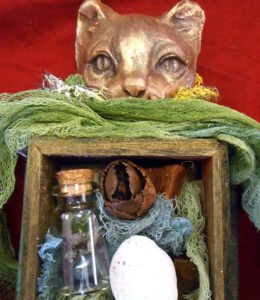
Studio work is not all directed toward completed pieces of art – sometimes the best part is experimentation without expectations. Whether it works or doesn’t work, the results add to the body of knowledge about the subject at hand. I got to play a bit at my studio yesterday, and learned a few things.

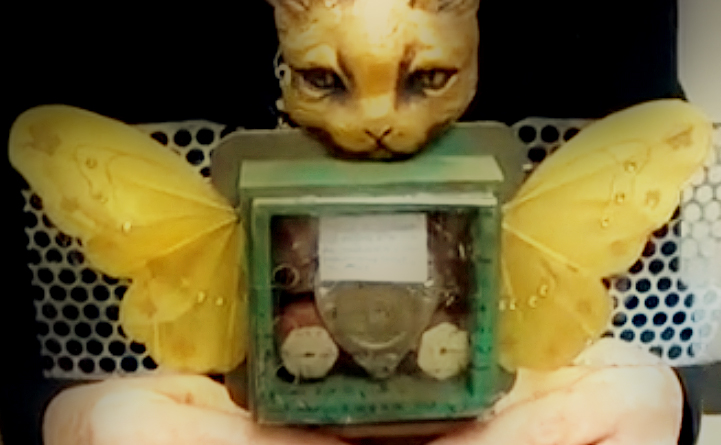
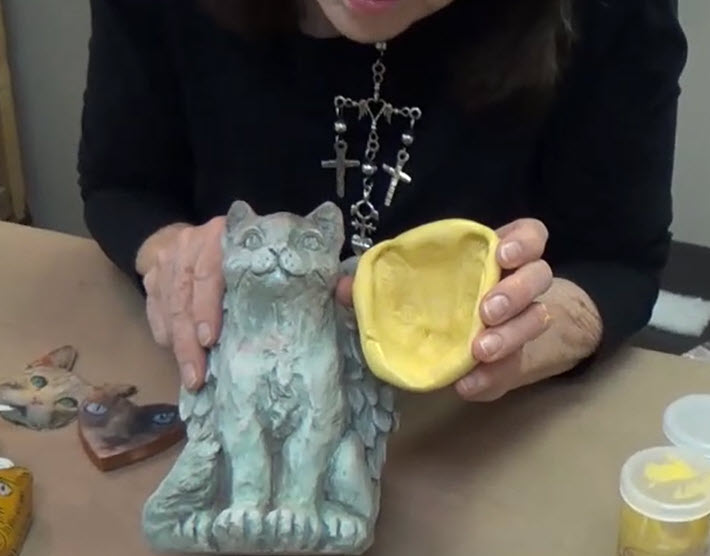
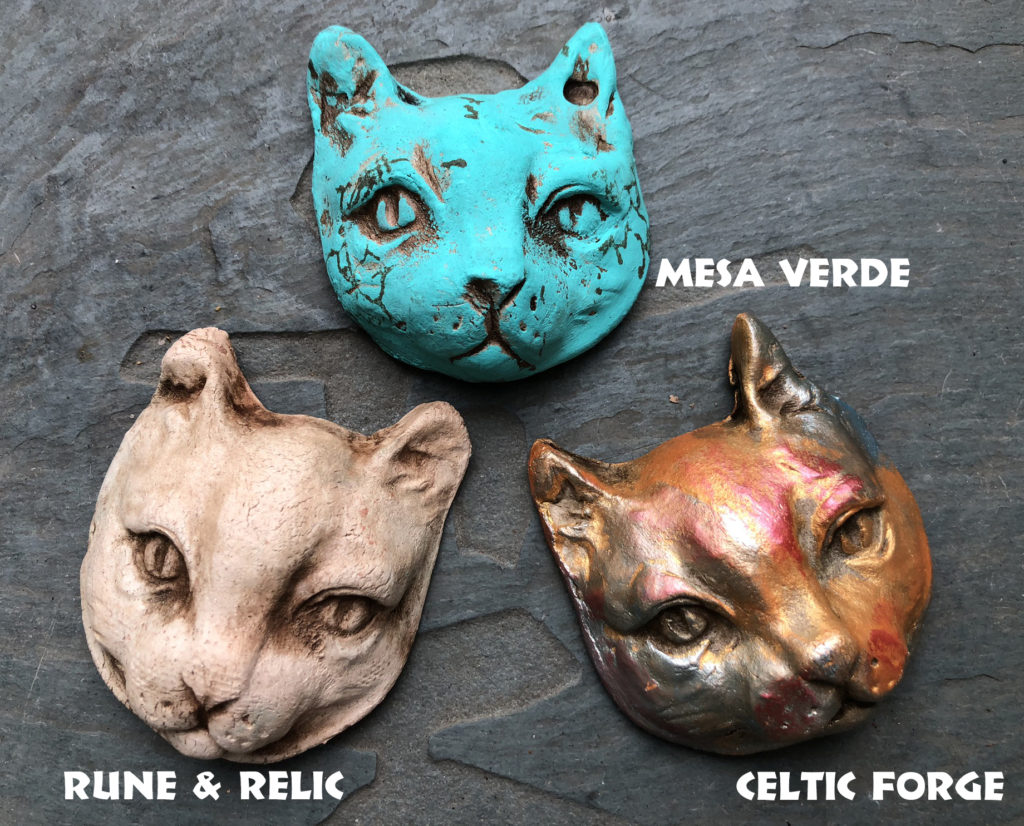
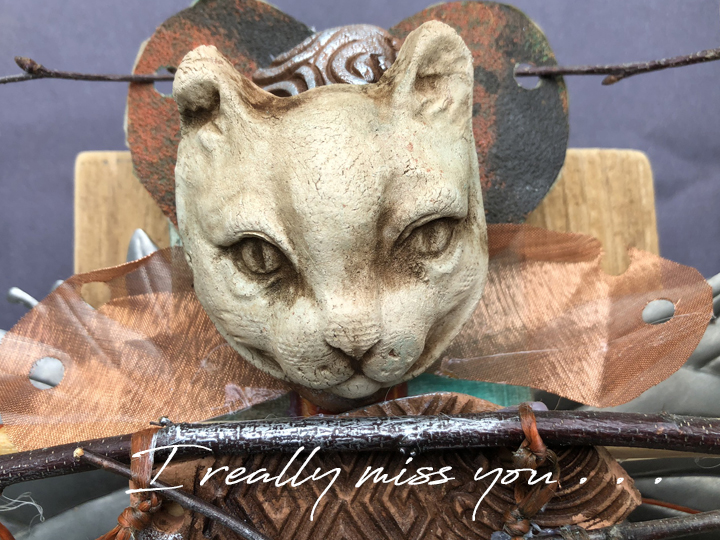
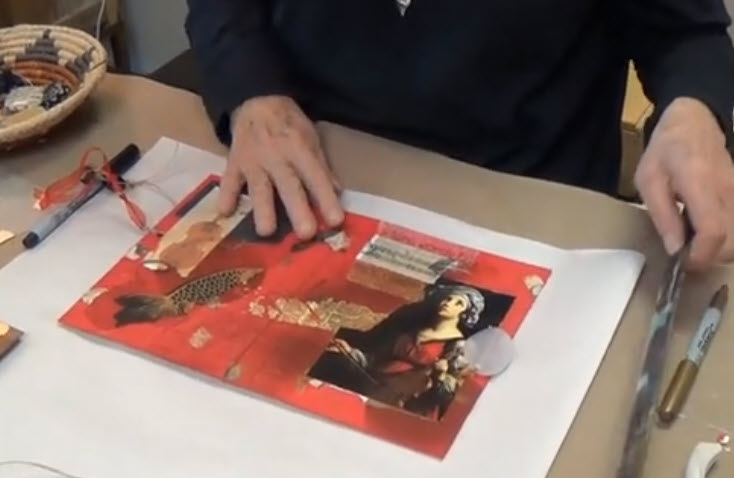
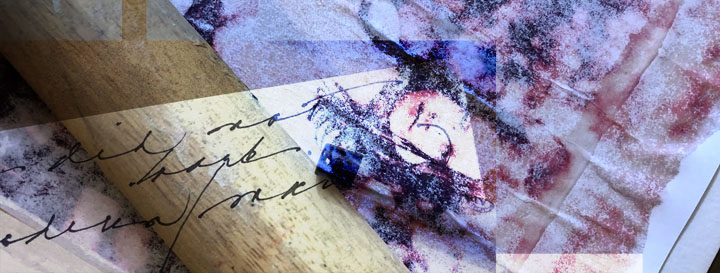
I’ve been doing a lot of mixed media sculpture lately, and I wanted to play with beeswax on textured fired unglazed clay (bisque). The video camera happened to be set up above the work table, so you get to see what I was playing with.

This is not a tutorial at all – it’s just me, fooling around and making comments 🙂

I learned a couple of things from these experiments:

  • White clay is a better match for beeswax than red clay
  • Eucalyptus might be a better shade of walnut ink for this process because it’s not as intense as Terra Cotta
  • Heavily textured clay surfaces don’t take the beeswax as successfully as lightly textured surfaces
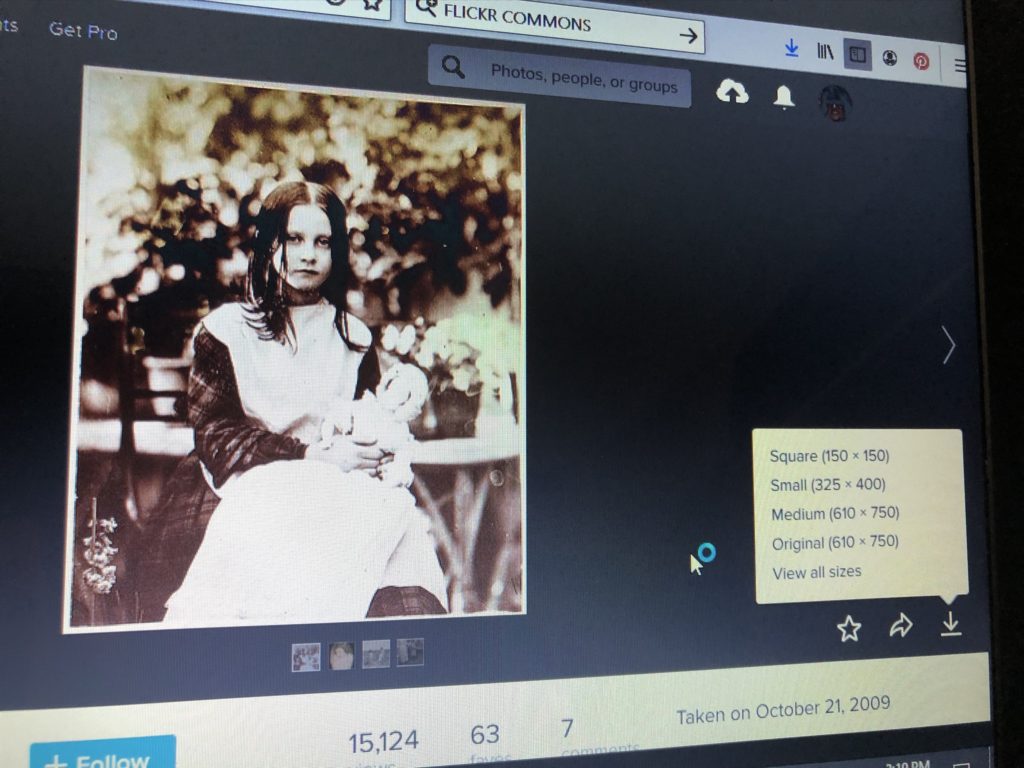
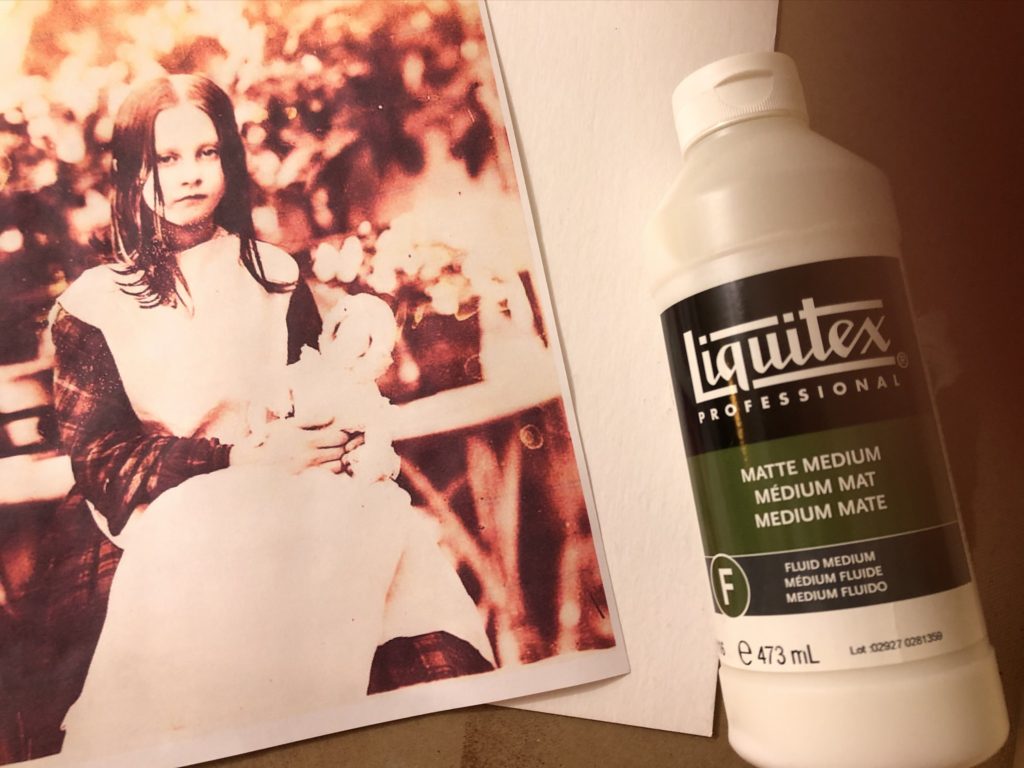
  • Photo-transfers on clay are not particularly beeswax-friendly because they are not porous enough due to the transfer process

New things I want to try because of these experiments:

  • Using the same technique on paper clay to test its absorbancy
  • Doing more intricate scoring and carving into the beeswax surface once it’s cooled on the clay
  • Heating the beeswax with a heat gun to “drive it” into the clay surface to see what happens to the finish
  • Adding metallic wax to the beeswax surface aft it has cooled.

I’ve filed this information away until I need it – probably at one of those “Aha!” moments when I realize that this technique is exactly what I need to complete a work in progress. Or maybe not! But everything you learn doesn’t have to be put to practical use – it’s OK to play.


Medical Miracles and Healing Art

I’ve just returned from two intense weeks San Diego with my brother, who lives in Austin. My brother (who is just 14 months younger than I am) needed a very critical and specialized operation, and UC San Diego Health is the worldwide leader for this procedure, called pulmonary thromboendarterectomy (PTE) surgery. The surgery was – hooray –  a huge and miraculous success thanks to incredibly skilled doctors and expert staff.

If you’ve been through  a similar experience, you know that you spend a lot of time at the hospital waiting for results, which can be stressful. Fortunately, the UC hospital campus was a haven of healing, in no small part due to its art.

The Jacobs Healing Arts Collection is exhibited throughout the hospital, from hallways to patient rooms. The collection includes more than 150 individual pieces, including paintings, sculptures and digital photographs.

I spent many hours looking at the art and finding fascinating details that engaged me. This painting (above), Roses and Two Lemons by Manny Farber (1996) is an oil on board featured on the first floor of Jacobs Medical Center at UC San Diego Health.

Below is another piece that fascinated me – it’s a huge spectacular fiber sculpture/canvas behind glass that appears to have been made from partially cut canvas which was sliced into tiny “tiles,” then folded and gilded.

Take a look at a couple of detail photos, below. It’s hard to figure out how this was done, but the results are amazing – kinda like the surgery!

One more small collage by an elevator caught my eye  – it reminds me of our Citra-Solv workshops:

After having time to really look at these artworks, it occurred to me that true “healing art” does not mean “inspirational” posters of hands and sunsets and lotuses (although those can have their place).

The real curative power of creativity comes from authentic work by artists whose message is engaging and intriguing like those in the UC San Diego Hospital’s Jacobs Collection.

Even when we are most stressed and anxious, carefully curated art helps us think and question – how did the artist do that? What do those shapes mean? Why do those lines feel visually serene? How in the world did the artist mix that color?

It’s more than just a distraction or decoration – it’s a comforting connection to human creativity that is ageless and infinite.

It’s good to be back home. Thanks to the wonderful UC hospital and staff in San Diego for performing healing miracles!

And thanks to the artists who help us heal by keeping us focused on our universal humanity.


“Where can I get . . . ? (my top five sources – non-Amazon!)

The New Year is a great time to identify the creative materials you use the most .  These are your signature media, your “desert island” necessities. This list can help you in your resolution to streamline and simplify your studio space once you know what you will really use.

I know what MY own signature media are. Here are the Top Five that I use extensively in my own work and in almost all of my workshops (Raise your hand if you’ve used walnut ink because you learned about it in one of our workshops!)

  1. Tsukineko Walnut Ink
  2. Beeswax
  3. Book Foil
  4. Sari Silk
  5. Artificial Sinew

I get a lot of questions about where to find these materials since they are not really mainstream art/craft materials. I prefer to buy from places other than Amazon (although the Big A is certainly fast and convenient).

But when I can obtain my signature materials from other artists or independent retailers, I try to share those sources.

Here they are – enjoy looking! :

Tsukineko Walnut Ink:

https://www.imaginecrafts.com/walnut-ink/view-grid/1351

I have always ordered my walnut ink spray from Imagine Crafts. They have friendly customer service and ship quickly.  It’s often hard to find walnut ink at places like Michael’s or JoAnns (a lot of people have never heard of it) but it’s always in stock at Imagine.

If you browse around the Tsukineko inks, you’ll see that there is a pastel set (Cherry Blossom, Cornflower, Willow, Lilac) as well as an earth-tone set (Java, Eucalyptus, Walnut, Terra Cotta). Either set of four bottles retails for $23. Any color can also be purchase singly for $5.70.

Beeswax:

There are many different forms of beeswax and thousands of ways to use it.  I use beeswax for encaustic collage and for assemblage. I use it on clay and on fiber. My preferred beeswax is all natural White Beeswax pellets, refined in the USA without any chemical bleaching aids. My favorite source for this is Swans Candles in Tenino, WA.

Swans has a fine selection of beeswax and other encaustic supplies (including Damar Varnish if you want to make your own encaustic medium). Their prices are excellent. You can buy a pound of Natural White Beeswax pellets for $9.95.

Most retail art stores now sell beeswax and other encaustic supplies, but you can expect to pay almost twice as much per pound. Even on Amazon, a pound of R&F Encaustic White Beeswax lists at $18.86.

Book Foil:

This foil, also known as Deco Foil, is generally used for transferring metallic finishes to craft projects using an adhesive. Here’s a link to a video that shows demos about that. However, if you’ve taken an encaustic workshop with me, you know that we also use it to create fine gold marks onto a waxed surface.

One of the best places to order this foil is Dharma Trading Company. They are generally known for their fiber art supplies, but you will love their site for lots of other reasons! For Deco Foil, for example, they have the best selection and lowest price of anyone, including Amazon. Currently, they sell a cylinder of five sheets, 6×10″, for just $3.89.

Sari Silk:

I discovered my source, Felt Better, on Etsy several years ago, and I have ordered from them many times.

This is what the owner, Michelle, says about her sari silk: “The beautiful, exotic sari ribbon I carry is all the best things about recycling that I love. First and foremost, it helps our fragile planet by making use of material that would end up in landfills. Did you know that it helps women too? It’s a fair trade product that works close with women co-op groups, insures they get a fair wage, that helps them support their families….and most importantly, no child labor is involved.”

I use sari silk for so many things – for journals, assemblage, spirit dolls, and just to hang in my studio for pure enjoyment of its colors, history, and textures. A 100 gram skein (about 45 yards) costs $12.50 at Felt Better.

Artificial Sinew:

Do the words “cat gut” make you shudder? What about “sheep sinew?” Those were traditional material used for lacing and tying leather and gourds. Fortunately, artificial sinew is now available because I use a lot of it! It’s a material I use for clay assemblage, bead stringing, fiber art, and almost anything else that requires tying one thing to another thing.

I used to buy it at Tandy’s Leather Store, but have discover a new online treasure trove. The Thread Exchange specializes in the kinds of thread that are not sold in stores, including a huge selection of artificial sinew. The company is based in North Carolina and its website is user-friendly.

They have almost twenty colors of sinew, although I am partial to the Natural and the other earth colors like Terra Cotta. A 17-yard roll is about $5.00 and a 265-yard roll is only about $15.00.

For 2020, I would like to make a commitment to bring into my workspace only those materials that I really need, use and love. Hmmmm… it’s not always easy, because experimenting with new things is part of the game.

So here I go, tempting you with great sources for wonderful materials that may be new to  — I hope some of these will inspire your work for the new year. Thanks for reading SHARDS!


Two Pamelas and me, scumbling and waxing to our hearts’ content

Wednesday’s Votive Candle Screen get-together was a de-light – I was joined in the studio by Pam B. and Pam F.  and the three of us spent a relaxing afternoon experimenting with surface design on paper for a candle screen project.  I’ve taught workshops on this topic before, but this session had a more intensive focus on hand-enhanced decorative papers.

This project is perfect for the holidays. Paper is folded and slit in a way that allows it to open in the middle for a little battery candle to fit inside. I wrote and article about this for Cloth Paper Scissors magazine a few years ago.

Alas, the magazine is no longer around, but I still have the article. Here’s an example of the folded paper votive screen:

We spent more time working on surface design than we did on decorating the finished votive screens.

First experiment – we covered a sheet of 9×12″ lightweight watercolor paper with three colors of acrylic paint, dry-brushing and “scumbling” the colors together. After that first layer dried, we stenciled over it with gold acrylic paint – here’s what that looked like:

Our next experiment involved Italian decorative paper with gold writing on it. We made loose brushstrokes of melted beeswax over the paper, then sprayed it with various hues of walnut ink. Here’s one of the Pamelas rubbing off some of the walnut ink from the cooled wax:

This paper folded beautifully into the votive screen shape:

Here are some more photos of various stages of the process of assembling the votive screens. I honestly don’t know which treatment I liked better – the scumble and stencil, or the beeswax and walnut ink.

The votive screens turned out well, but all of us decided that the hand-decorated paper surfaces were the real winners. Both of the techniques we used – scumble and stencil and beeswax and walnut ink –  would lend themselves beautifully to abstract painting, which will be my next workshop coming up in February of 2020.

Thanks to the two Pamelas for experimenting with me!

Here’s the list of materials if you want to try this on your own:

Votive Candle Cards Materials

  • 9×12 construction paper or other medium weight crafting paper
  • Two 4.5×11 pieces of decorative paper
  • 4 2.5” square pieces of translucent vellum or translucent rice paper
  • Two ½” bands of contrasting paper for side trim
  • Compass or large round hole punch
  • Craft glue or double sided tape
  • Stamps, stickers, metallic pens – whatever “de-lights” your heart
  • Small twigs, reeds or sticks
  • A battery votive tea light

As a special gift to you, I’m sharing the original article that I wrote for Cloth Paper Scissors with all of the directions and how-to photos for making your own mixed-media votive candle screens. I hope you enjoy it! How about making one for every person at your holiday dinner table?

VotiveArticleCPS

Happy Holidays, and thanks for reading SHARDS!

Photo by Food Photographer | Jennifer Pallian on Unsplash


Gray Friday – sorta like Black Friday, but with a reward after the commercial

It’s the day after Thanksgiving, and instead of running around shopping, I’m enjoying a gray rainy Friday just writing and rambling.

In this SHARDS post, you’ll find:

  • 1. An idea for my next eBook
  • 2. A Black Friday commercial (well, a Gray Friday one)
  • 3. A reward of a free air-dry clay technique demo

1. I’m thinking about air-dry clay. I started a book on this topic a couple of years ago and somehow let it lapse, but now I believe it’s time to make it into an eBook with videos, coming early next year.

I even have a cover and a title for the air-dry clay book (subject to change – like I said, this idea started a couple of years ago)!

What do you think? Would it make a good eBook with videos? It has unlimited possibilities for mixed media and fiber artists.The good thing about air-dry clay is that you don’t need a kiln, and many of the newer paper clays and polymer clays are very permanent and durable. And they even take beeswax!

So with all of this in mind, I’m going to give you a FREE SAMPLE of an easy air-dry clay process – a downloadable handout on how to transfer an image to a thin slab of air-dry clay. 

__________________________________________________________________

2. But first, you have to promise to read the following commercial and not just skip to the end. Here goes:

I’m teaching a brand new online workshop about Origami Kimono construction with a group called Mystic Springs Studios in their year-long Artwalk Alchemy 2020. The kimono workshop is cool. You will love it. And when you buy the Artwalk Alchemy 2020 subscription, you get my workshop plus 23 others that look good too. I know some of the other artists, including Anne Marie Fowler who heads the program, and the projects look intriguing.

Anyway, for this weekend only, you can get a discount on the ArtWalk Alchemy 2020 classes.

You can click on the image above to go to the class description, or just click HERE.

I’ll be around when the Art Walk classes start to answer your questions and give feedback, as well as post photos of your work – so save $10 and sign up now!

And while I am in commercial mode, you can shop for my three existing eBooks (the first two with videos) just to see how they work. All have great reviews, if I do say so my own self 🙂  Here they are:

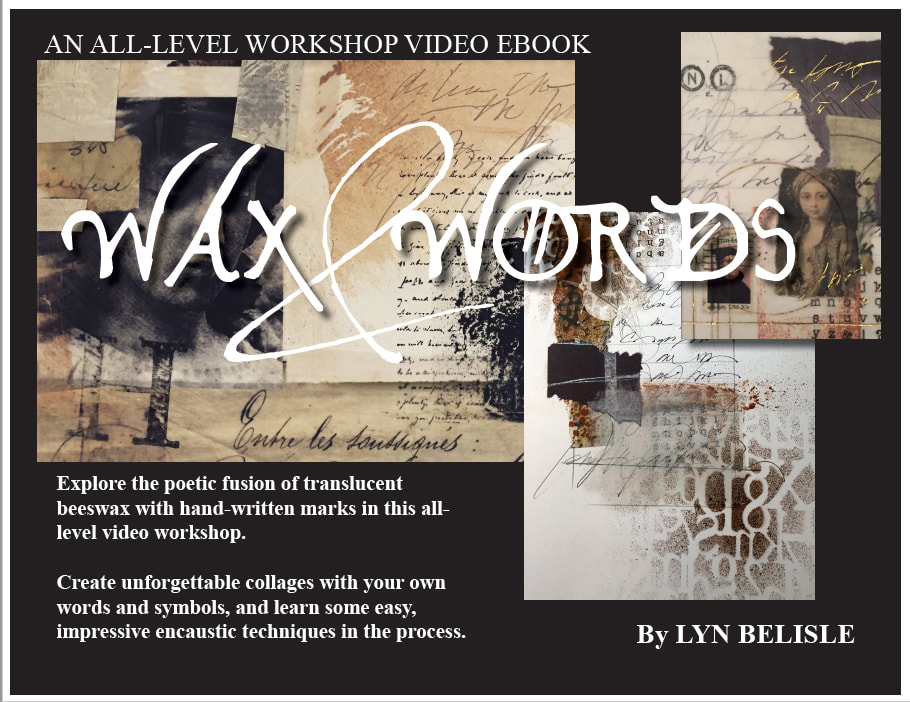
WAX & WORDS: An exploration of asemic writing, words, mark making and images enhanced with beeswax encaustic layers and gold foil – with nine videos

Beeswax, Clay, Paper and Fiber Talismans – with videos!

Behind the Veil: Beeswax and Collage

The upcoming air-dry clay eBook should be a good addition to this collection.

END OF COMMERCIALS – START OF FREEBIE!

_______________________________________________________________

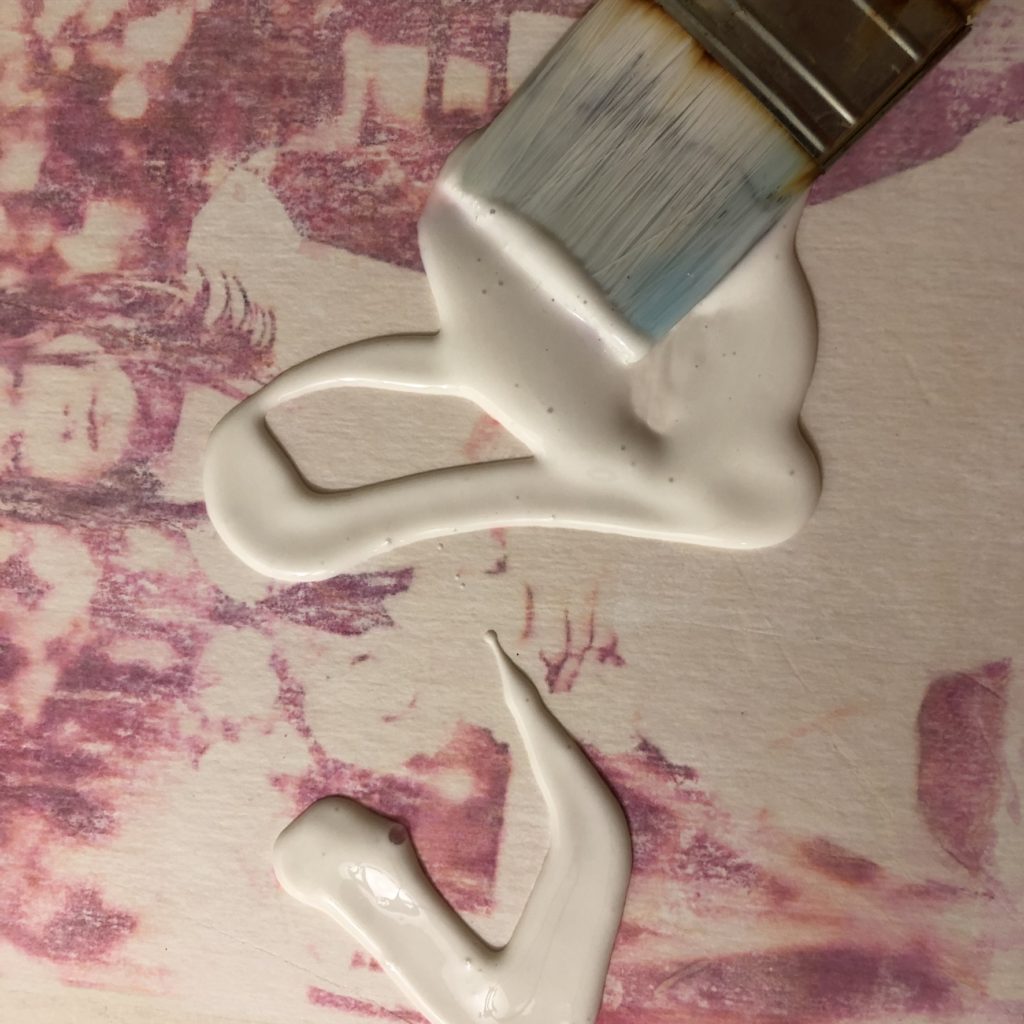
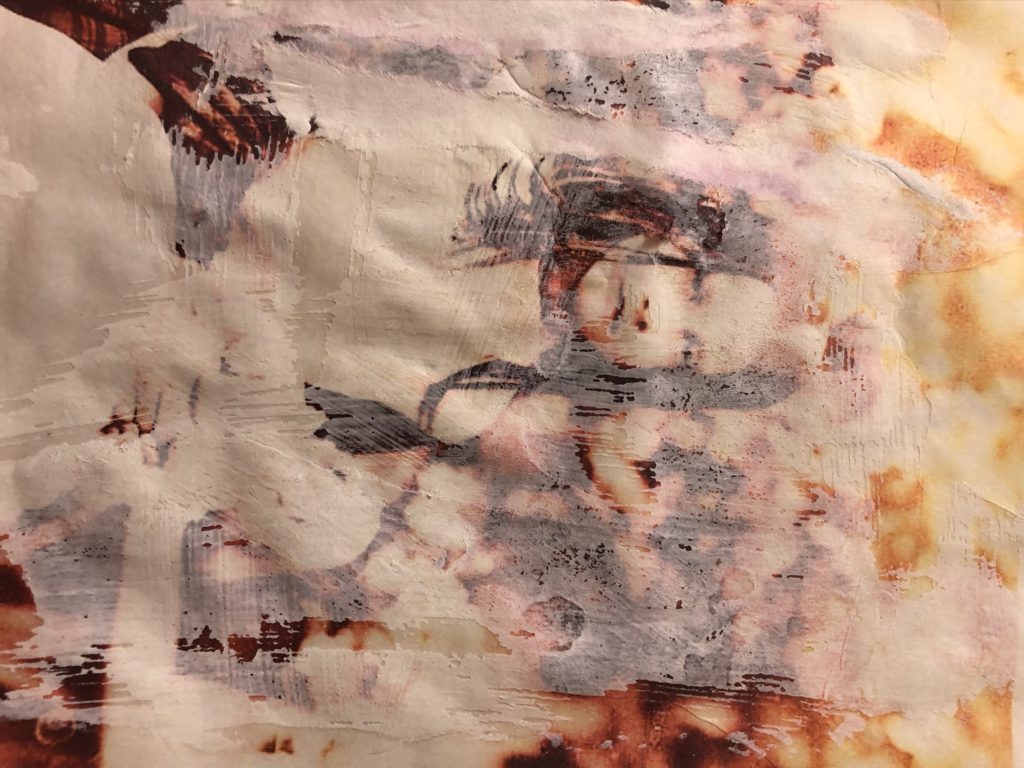
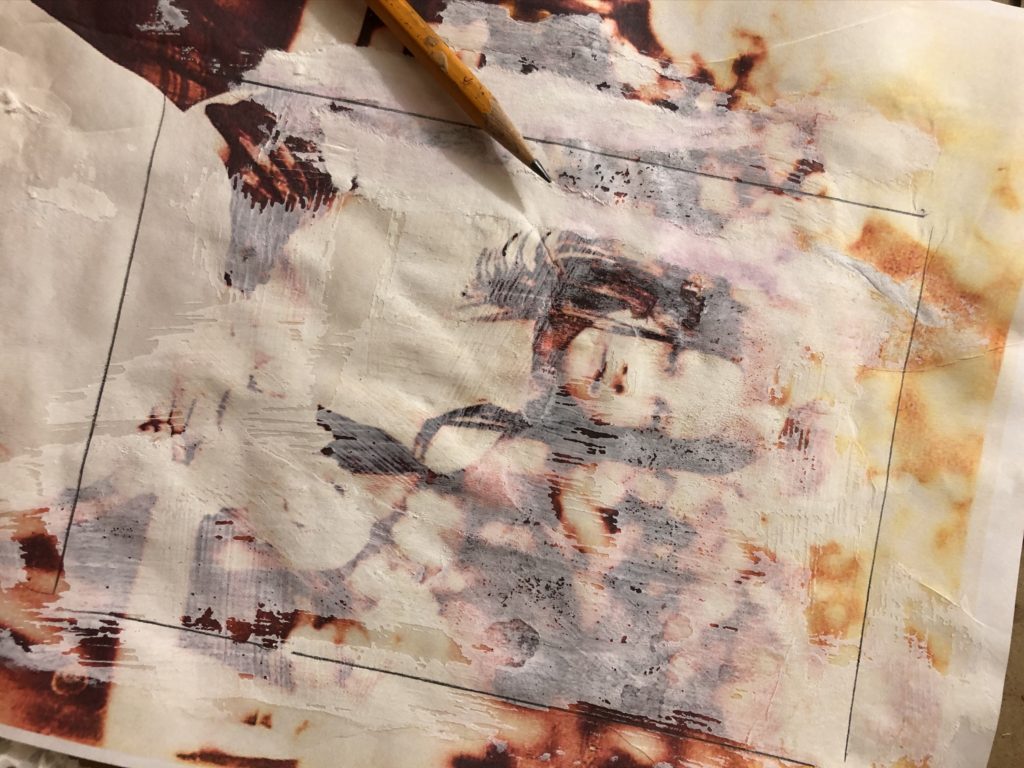
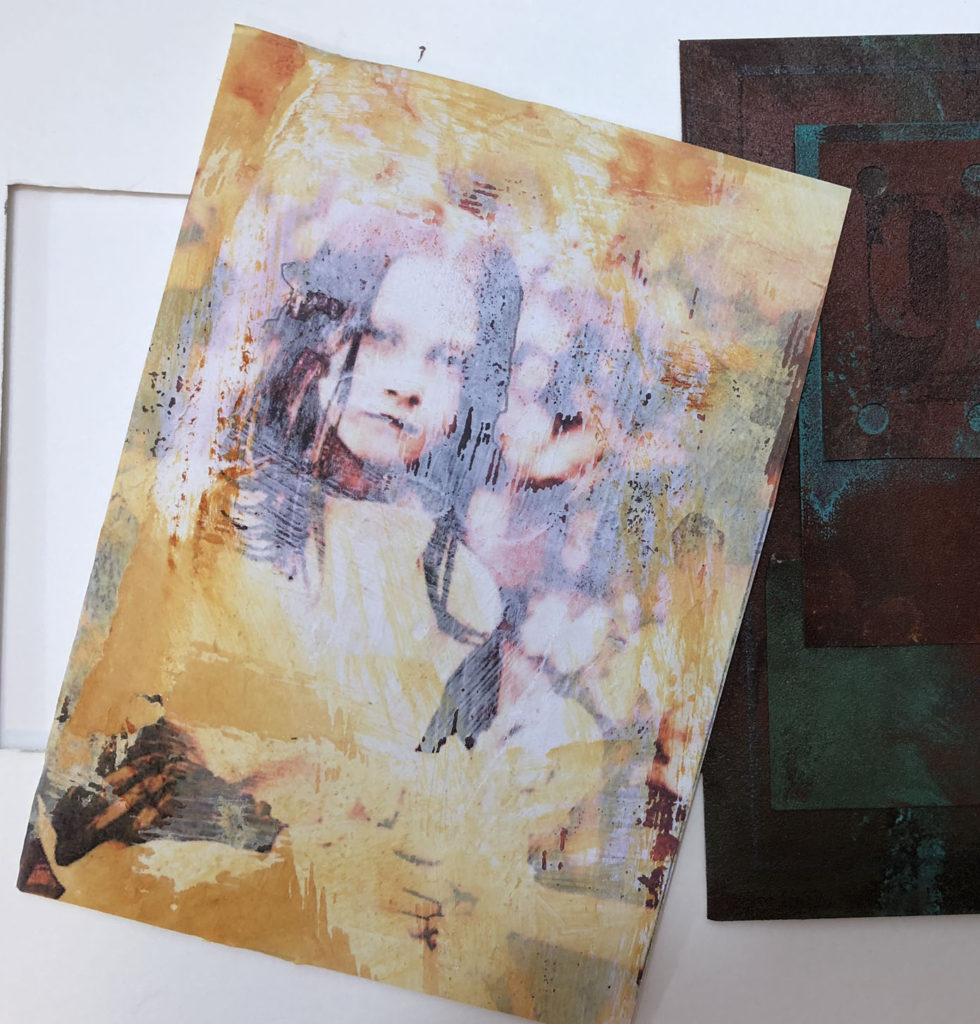
3.  Your free technique demo from the upcoming eBook – the photos below show an inkjet image printed on plain copier paper that has been transferred onto a thin slab of air-dry clay.

The second photo show the complete sample with more clay and mixed-media elements added.

Acrylic transfer on air-dry clay in progress

Completed sample – inkjet image transfer on air-dry clay with cold finishes

Here is all you need to do this image transfer technique – acrylic medium and air-dry clay (and an image, of course). I’ve given you two links to the products, but the materials are available at more than these two places. I have found that these two brands work best, but you can certainly experiment.

Delight Air Dry Clay

Golden Fluid Matte Medium

And here’s how:

4. BUT WAIT – THERE’S MORE!

If you’re interested in air-dry clay, regular clay, photos of clay, collages about clay, etc., etc., don’t forget to enter the Texas Clay 20/20 Vision juried show at the San Antonio Art League!! It’s the best entry fee on the planet – only $10. Here are the details:

The deadline is December 12th, so shake a leg if you want to win that $500 first place award!!


Workshop report – painting is hard work!!

Imagine setting off on a path with lots of possible destinations and no map of where you were going – except for a possible clue at every intersection? That’s what happened to the participants in our Acrylic Abstract Painting Exploration workshop Wednesday. The phrase “trust the process” was the only compass on this journey toward a non-objective acrylic painting.

We did some warm-up paintings on 300# watercolor paper and practiced blending “no-colors” with a scumbling technique. Then we developed a compositional framework based on either a landscape or cruciform foundation.

When everybody seemed to be stalled, we laid out our work on a table and I prepared a big blog of Cadmium Red paint and told the hapless victims to add red paint to their work – anywhere they wanted, but it had to be red.

Wow! That was a jolt of energy. Everyone knew that they could paint over the red if they wanted to, but just that bright pop of color pointed at lots of new possibilities.

Some of the techniques we practiced going forward were:

  • Mark-making
  • Scraping
  • Lifting
  • Taping
  • Ombre stripes
  • Glazing
  • Stenciling
  • Texture
  • Object stamping
  • Veiled collage words

Each artist took a very different path, although when a technique worked particularly well, everyone gave it a try.

One thing that helped a lot was consistency – consistency of size (12 x 12″) and consistency of basic palette colors.

My friend Gwen Fox taught me that you could make a myriad of rich colors with just these three Golden acrylics:

These colors, plus white and Payne’s Gray (or black) create amazing and easy color harmonies.

Here are some details from the participants’ paintings that show these colors at work with a few added colors and some of the surface techniques:

Watch the Workshop Video (below) for further views of the paintings and the process. The participants were learners and risk-takers of the best kind!

VIDEO LINK

Thanks for reading – and watching!


Animals, animals . . . . what a spirited workshop!

We finished the second part of the “spirit critter” workshop today at the Art League – beautifying our creations.

Leslie Newton did a very skillful job of loading and firing the kiln between last week’s session and this one. Not one ear or tail was lost.

Pan of fired nekkid critters

Today I got to teach some cold finish techniques for the workshoppers to experiment with on the test pieces and the animals. Cold finishes (or post-fire finishes) are amazingly versatile as long as the piece is not going to be used as a functional item – like a mug.

Potters are discovering things like walnut ink (yeah, my old favorite) and wax embedded with metallic particles. Here are some sample pieces that I used today to demo and test various combinations of walnut ink and metallic wax..

And here are some that were made by Jill Wilson, one of our participants, that show lots of possibilities.

When it came time to put finishes on the animals, a lot of participants liked the idea of the simplicity of just using walnut ink to bring out the texture. Here’s an example – this little guy is almost Pre-Colombian looking – very minimalist and whimsical.

By contrast, this piece has layer upon layer of metallic wax and walnut ink which gives it the look of cast bronze.

This is an example of a cold finish formula that I demonstrated today – there are a thousand variations:

  • Spray the bisque-fired clay liberally with Java walnut ink and let it sit for five or ten seconds.
  • Blot the ink with a shop cloth, then dip one corner of the cloth in water and wipe away the color on the surface, leaving the ink in the contours.
  • With your finger, add a layer of silver Inka Gold metallic finish.
  • When that is even, burnish it with a cloth, then add another partial layer of blue Inka Gold, being random and leaving spots uncovered.
  • Add another random layer, this one gold, and blend in with the blue as you go.
  • Rub on a bit of Jacquard powder in Interference Blue. This will give you a raku-like finish.

If you want to see the whole process, click on the links below to see how the animals were created, start to finish:

DAY ONE – BUILDING THE ANIMALS

DAY TWO- COLD FINISHES AND COMPLETION

Many thanks to the participants – Jill Wilson, Lisa Stamper Meyer, Vera Smith, Becky Hadley, Kimberly Anderson – and especially to my co-teacher, Leslie Newton!

Let’s do it again next year!


S____T Animals?*


My friend Leslie Newton and I are teaching a Spirit Animal workshop at the San Antonio Art League tomorrow, and I’ve been practicing!
I chose to experiment with the “slab method” of construction. It’s just what it sounds like. You roll out a slab of clay and cut out a shape. I made a paper pattern of a generic beastie with a neck and four legs, rolled out the slab, then textured it with a cool spiral wooden pattern tool.
The clay was all floppy, so I invented the  Belisle Toilet Paper Roll Animal Hanger/Dryer Box and draped him over it to shape him up. Necessity is the mother of invention, and he was too wet to stand up on his own.
Here are two of his cousins in the dryer box:
I used different methods of texturing the slabs – here is a rubber mat made for that purpose:
I cut out ears and tails to be attached later.
Everything was fired, and then assembled. I put walnut ink on this first fellow, and here is the result.
He’s whimsical and aardvark-like, and although don’t know what “spiritual characteristics” he might symbolize, he’s pretty cool. Now, onto the big question . . . . . .
*Why did I call this post “S____T Animals?”
Because that term is apparently very controversial. Here is a message I received from someone about the title and subject of this workshop shortly after I announced it:
Hi Lyn.  I just wanted to share this article with you, explaining why “spirit animal” is a harmful term. https://www.spiralnature.com/spirituality/spirit-animal-cultural-appropriation/
It was kind of a shock to realize that I was unintentionally indulging in serious cultural appropriation by using the term “spirit animal” which is all over pop culture. Living in San Antonio, we have such a blend of peacefully co-existing cultures here that I have truly not though enough about this.
What are your thoughts? It’s not a debate, just an enlightening discussion about how we can be more culturally sensitive in our art.

Table for Six at my studio – come join us!

Once a month or so, I’m starting to offer small mixed-media workshops at my Olmos Park studio. They are held on Wednesday afternoons from 1-4. I call this informal series “Table for Six.”

There is a limit of six participants and registration is on a first-come, first-serve basis. You’re invited to sign up – you’ll learn something new and take home something interesting!

Here’s the upcoming lineup. Click on a title to read more and register.

LAYERED STORIES: ENCAUSTIC COLLAGE
(three spaces left at post time)
Wednesday, October 30th, 2019
1-4 pm

ABSTRACT ACRYLIC PAINTING
(four spaces left at post time)
Wednesday, November 20th, 2019
1-4 pm

MIXED-MEDIA VOTIVE COLLAGE CARDS
(six spaces left at post time)
Wednesday, December 18, 2019
1-4 pm

All Table for Six workshops are $65 including materials, and, as mentioned, are held on Wednesday afternoons at my studio @ 515-5 E. Olmos Drive. As anyone who has been there can tell you, it’s a cozy, stress-free zone.

but wait, there’s more . . .

If you’d like a great intro to clay, Leslie Newton and I are teaching a ceramic  workshop called Spirit Animals at the San Antonio Art League on Saturday, October 26th and Saturday, OcNovember 2nd. Click on the image below for more about THAT one – it’ll be fun.  And who knows what will be revealed as YOUR Spirit Animal!

Workshops are about the power and comfort of the creative community, about making new personal statements and affirming individuality in a sharing, caring environment. Join in!


Want to explore encaustic portraits? Use your phone to email photos to yourself!

Another enthusiastic workshop group met at my studio on Wednesday afternoon to explore collage, composition, and beeswax. Thanks to Marcia Roberts for organizing this great gathering. They were fantastic.

It’s my custom at the beginning of the workshop to give everyone a large packet of images that have been printed on regular letter paper with an inkjet printer. This insures that the paper is absorbent and will be “beeswax friendly.” I ask everyone to choose only from these images for their first collage.

This gives everyone choices within the same range of images, and it’s amazing to see how different each resulting artwork is. Here are a few of the images being arranged and veiled with white paint and asemic writing.

Then I showed them a tip that I want to share with you as well – how to use your own photos in an encaustic collage. I took a photo of Veronica while she was working at the table, then emailed it to myself from my phone. Here she is – great smile, right?

I went right to my studio computer, opened the email and the attachment, and showed everyone how to print out the photo in sepia tone. Then I adhered it to my demo collage and added some graphic elements such as veiling, asemic writing and stamps.

I continued the demo and showed how to apply a layer of beeswax, to incise, and to add pan pastels and book foil to the composition. It was fun playing with a photo of someone who was actually in the workshop, and Veronica got a collage portrait to take home!

I encourage you to take photos with your phone and email them to yourselves to print out and use in your work. It doesn’t even have to be a person – think orchids, cats, and spider webs!

Everyone in Wednesday’s workshop was really inspired – here are some of their encaustic collages. They paid attention to the composition lesson, and even though some of the packet images were similar, the results are beautifully original.

Veronica Miller

Maggie Fitch

Maggi Peachy

Catherine Danner

Marcia Roberts

I think these encaustic collage workshop are so useful and popular because the lessons on composition and layering can be used in any medium, from acrylic painting to fiber to journaling. And using your own phone photos gives a personal touch that makes this kind of art practice a unique statement of who you are.

Thanks for reading SHARDS!