What do you have to say to yourself?

That was the question in yesterday’s workshop at the studio called “Postcards to Myself.”

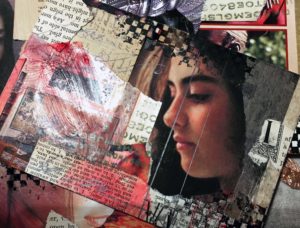
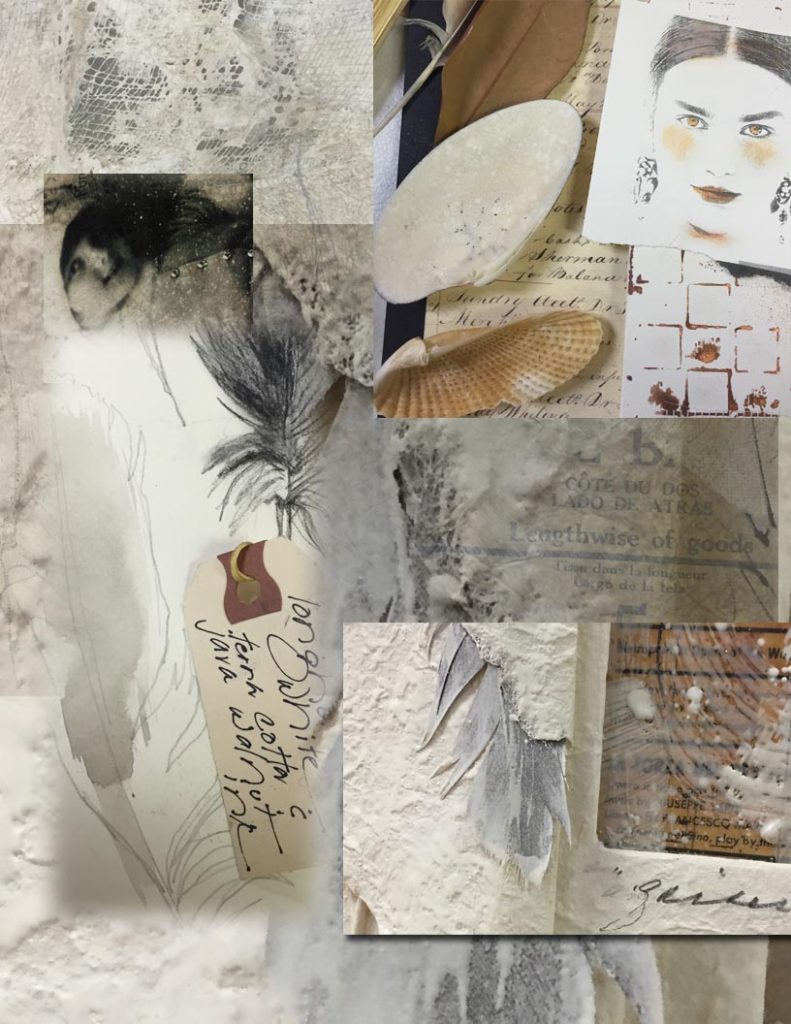
It’s a new workshop, one that I designed to see if we, as artists, create unconscious messages to ourselves as we work on art pieces that combine random images and text. The small works that were produced were amazingly lyrical, and many did seem to have meaningful messages.

The project itself was done in seven stages on an 11×14″ sheet of archival matboard.

  • Stage One – images and objects
  • Stage Two – veiling
  • Stage Three – vintage text chosen randomly
  • Stage four – enhancement and alteration
  • Stage five – selection
  • Stage six – wax or acrylic medium
  • Stage Seven – interpretation

When the collage layers were complete, 4×6″ post-card size areas were selected with transparent plexiglass rectangles. Those were cut out, and then finished either with beeswax or acrylic mat medium. We even wrote notes to ourselves on the backs of our “postcards.”

postcard

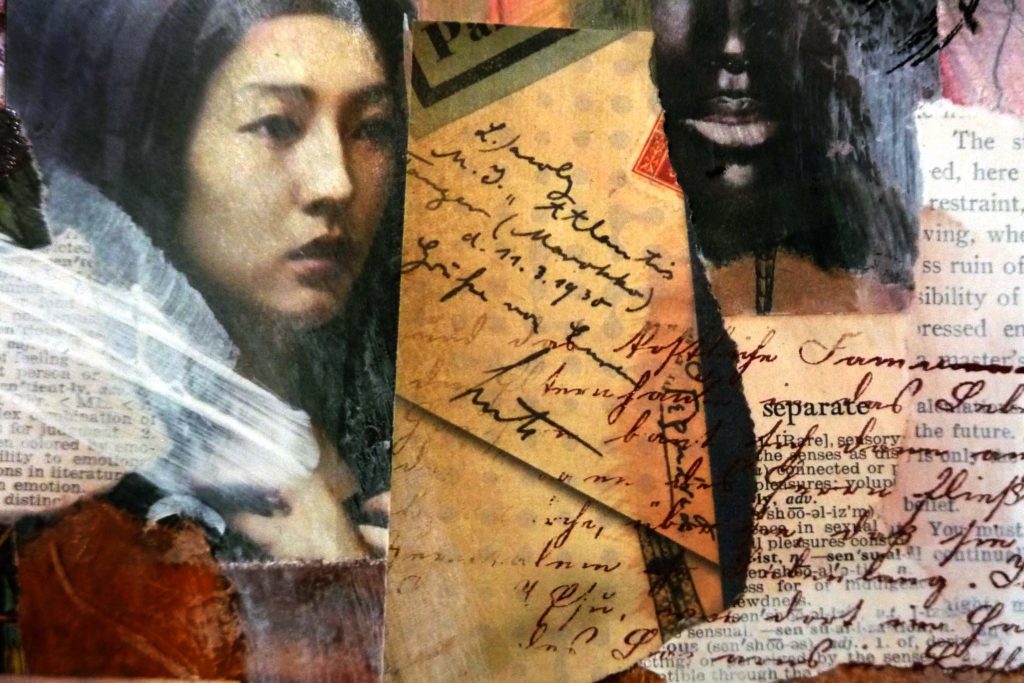
In the example above, this postcard-size section from the larger work shows faces from two different cultures and contains words such as “separate,” “restrain,” and “ruin.” It sounds like a trailer for a mini-drama! And yet it’s a completely coincidental juxtaposition within the larger collage.

We had such fun and learned so much from this project. I’ll definitely repeat it, and will probably create an eBook with with a list of materials and instructions. In the meantime, please enjoy the video from “Postcards to Myself.”

By the way, the first prototype postcard I did included text that said “eat one’s words” – so I was very careful about what I said during our critique!

proto

Save

Save

Save

Last-minute gift tags

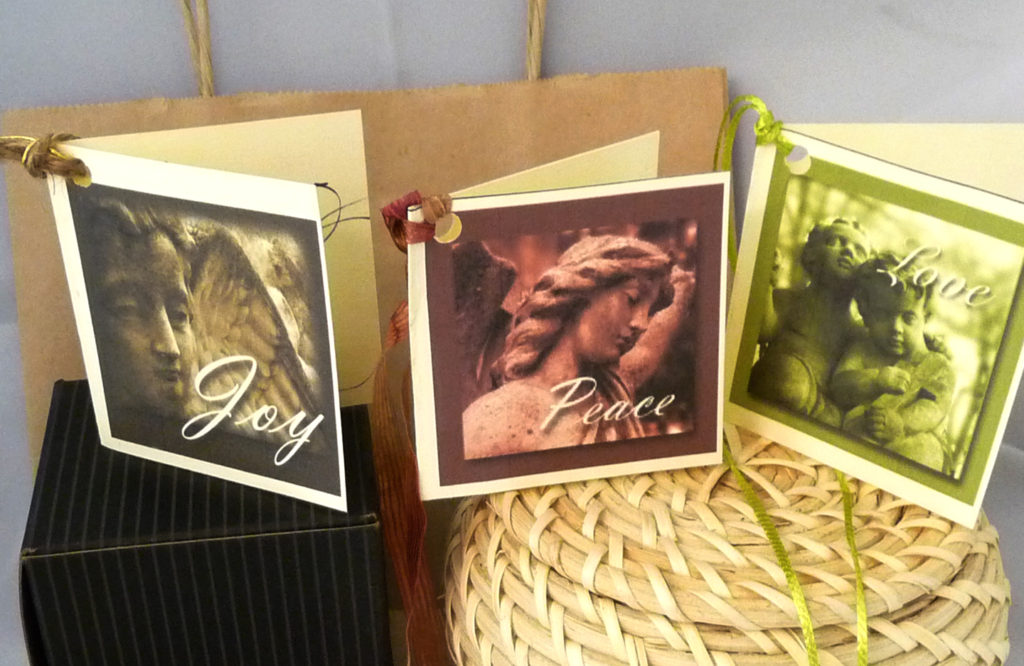
This is a quickie post – we’re all holiday-busy! Four years ago I designed some little gift tags for SHARDS readers, and I actually needed to print out some for myself this morning.

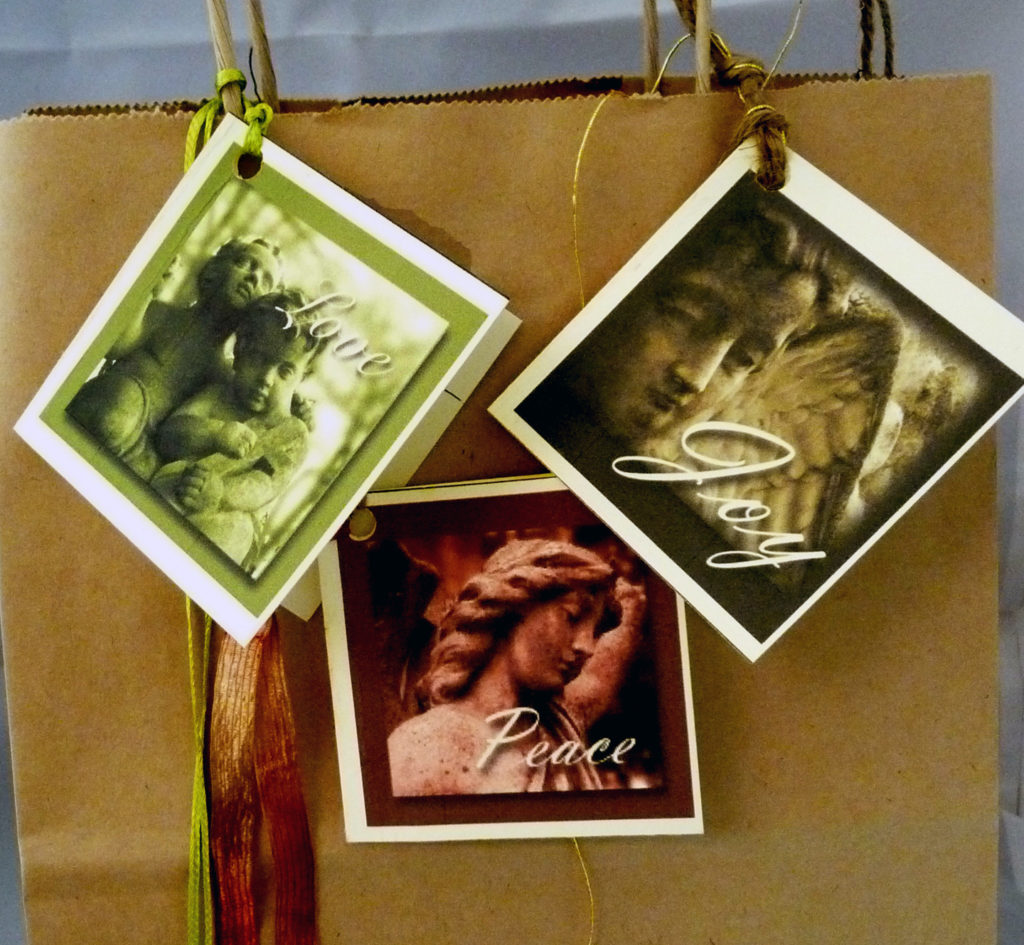
I found the old post from 2012 and decided to share it again with you guys. Here’s what the gift tags look like – you can just print out a sheet of six on card stock, fold them and attach them.

xmastags1 xmastags2

Get your tags here!! And happy wrapping!

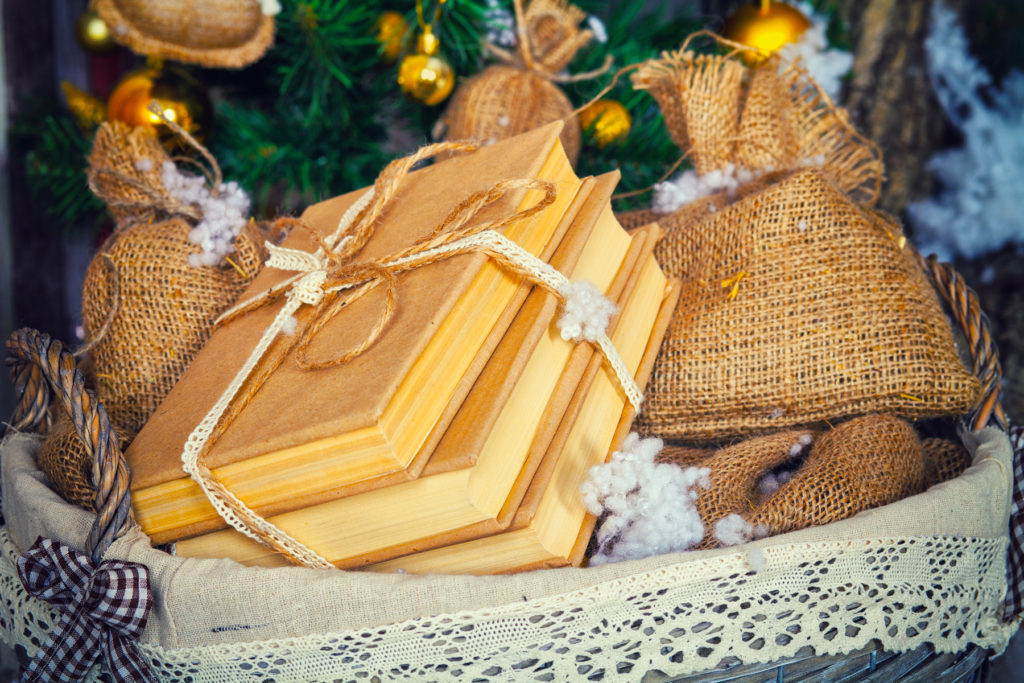
Stack of books and other presents in basket. Christmas decoratio

Secret spaces and free stuff from the Graphics Fairy

What do you think? Actually, this is not really the new studio space, but it has possibilities . . .

So I found a studio space. I can tell you just a few things about it at this point . . .

  • It’s very close to my new home – yay!
  • It’s cozy, smaller than the old studio, but still roomy
  • You’d never know it was there – it’s very hidden
  • The number five (my lucky number) played an important part in finding it

I’m in the process of moving this week and will keep in touch. With luck (and the creek don’t rise), I’ll offer a December workshop there. You SHARDS readers will be the first to know, I promise.

In the meantime, here’s a little creative inspiration from The Graphics Fairy. If you don’t know about this site, you should, especially if you work with collage and mixed-media. Here’s an example:

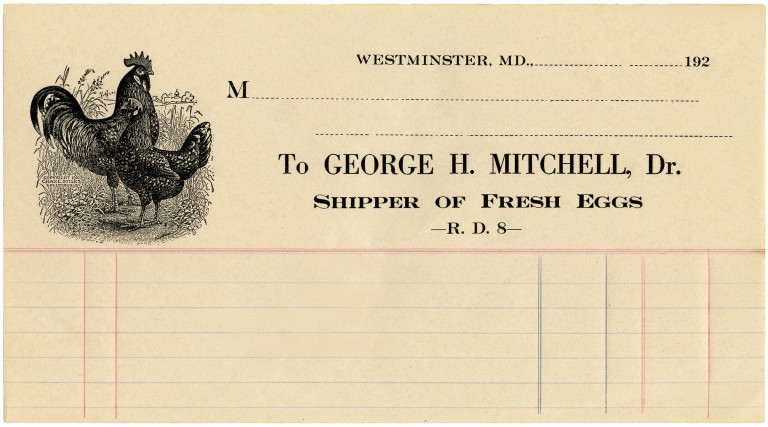
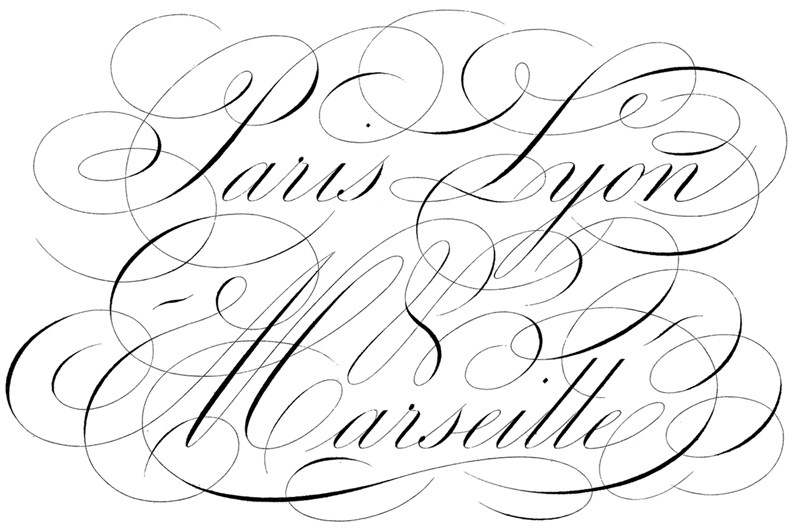
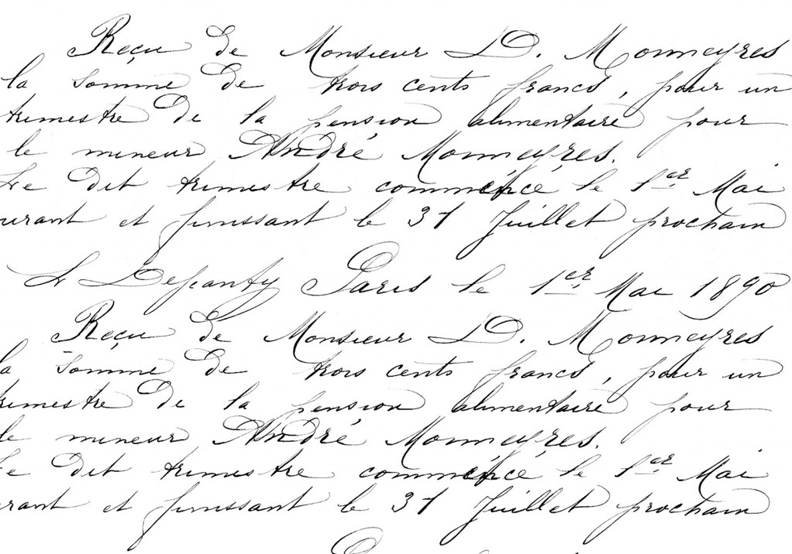
I’ve downloaded three more vintage scripts and graphics for you to print out (below), but you can search the Fairy’s site yourself to find many more. Just right-click on the images to copy them. They look especially cool printed out on tan parchment paper. Print ’em out, then rip ’em up and play with the pieces!

hand2  hand1

hand3

 OK, back to moving – stay tuned!

Save

September Spirit Dolls

Lyn's workshop demo spirit doll

Lyn’s workshop demo spirit doll, “Leafwing”

There’s something about a Spirit Doll workshop that gives me goosebumps. I think it’s because in just three hours, a group of willing people trust their creative instincts to combine some sticks and clay and cloth and build the most amazing mysterious little beings. It’s really magical!

21

You’ve seen my Spirit Doll workshop videos before, and every group is special – this one was particularly memorable. It may have been because of the mix of people, several of whom had come from far away and had never been to the Studio before. There was a lot of welcoming and bonding before the three hours was over.

So this time, I have two videos to share with you. The first one shows the magic of the group pulling together their Spirit Dolls one by one.

And the second one is for YOU. It shows you step-by-step photos of how I made the prototype for yesterday’s workshop just in case you get inspired and want to try this for yourself. I hope you enjoy them both.

Ready to make your own? Here are the basics (especially if you’re a visual learner)!

Finally, if you want all of the Spirit Doll tips and techniques and variations that I have ever tried, I have a DVD called The Magic of Spirit Dolls from my two-hour Artful Gathering class. Just sayin’ – if you missed the workshop, you can capture the “spirit” of it on video! Just click on the image for the link. End of commercial break – have a happy Labor Day!


Save

Save

Pale and painterly papers

A collection of pale papers by Lyn and Lesta

A collection of pale papers by Lyn and Lesta

Lesta Frank and I are teaching a workshop this month called Whiter Shades of Pale. Recently we got together at my studio to play with surface design of all kinds and create papers that have subtle painterly textures and intriguing variations of the palest tints.

The workshop has been sold out for a while, but I thought you might like to see some of the results from our pre-workshop experiments.

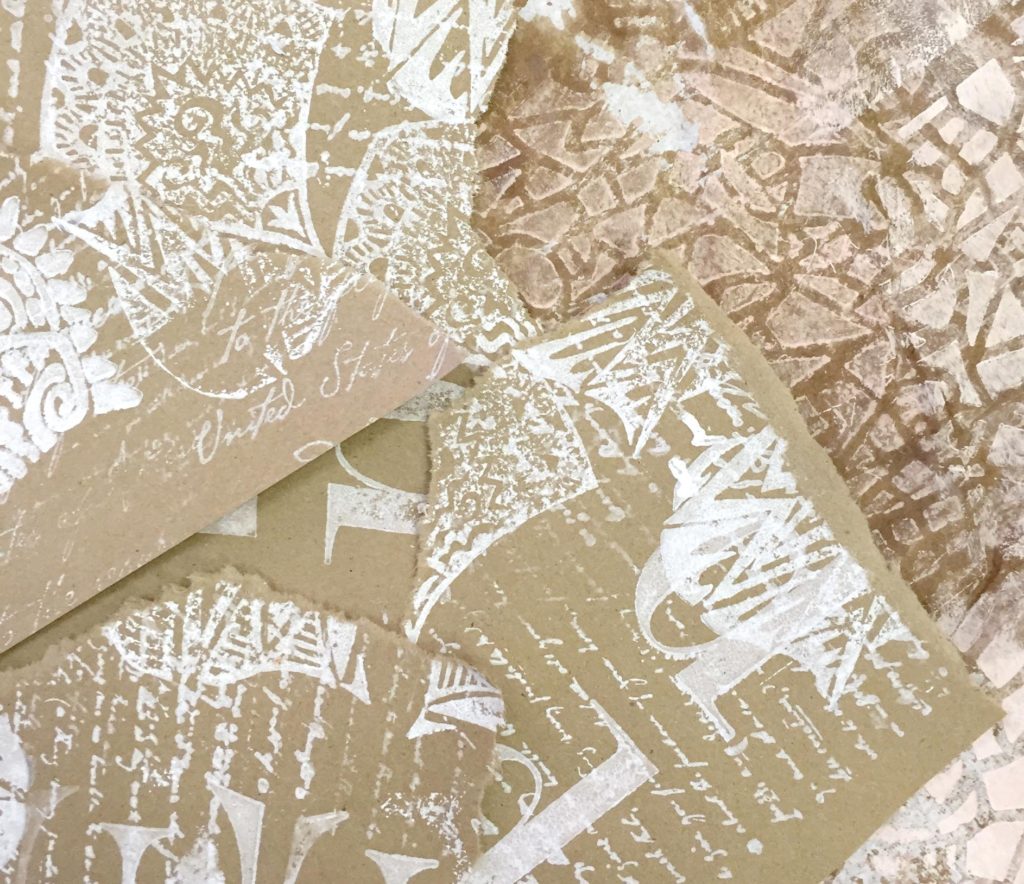
The first idea, below, is so simple – you just do a reverse stamp onto tan kraft paper (like a shopping bag) using a white stamp pad or white acrylic paint soaked into a damp piece of felt. Another variation we did was to roll white acrylic paint onto a textured placemat and print the design onto the tan paper.

blog1

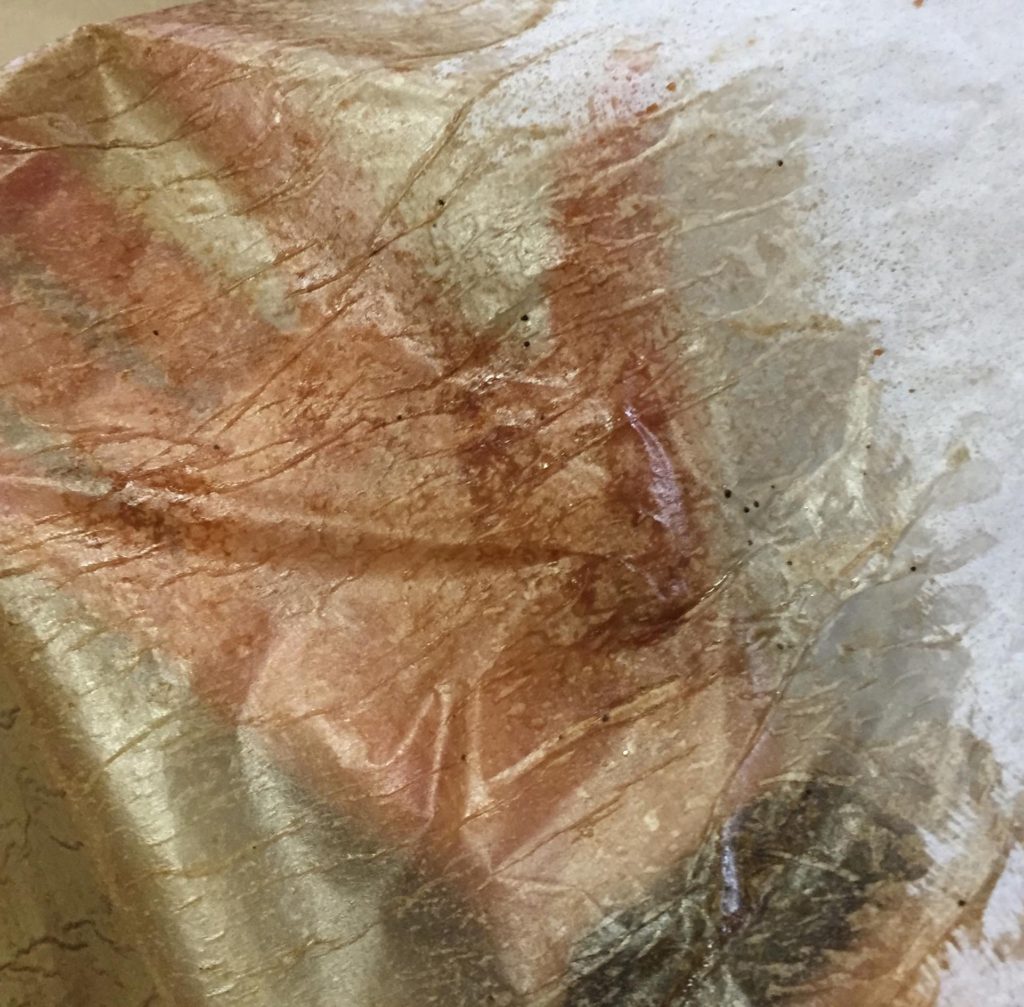
Below, tissue paper has been painted with clear acrylic matte medium, which causes the paper to wrinkle a bit, and then it was sprayed with walnut ink. It’s almost like tinted glass!

blog5
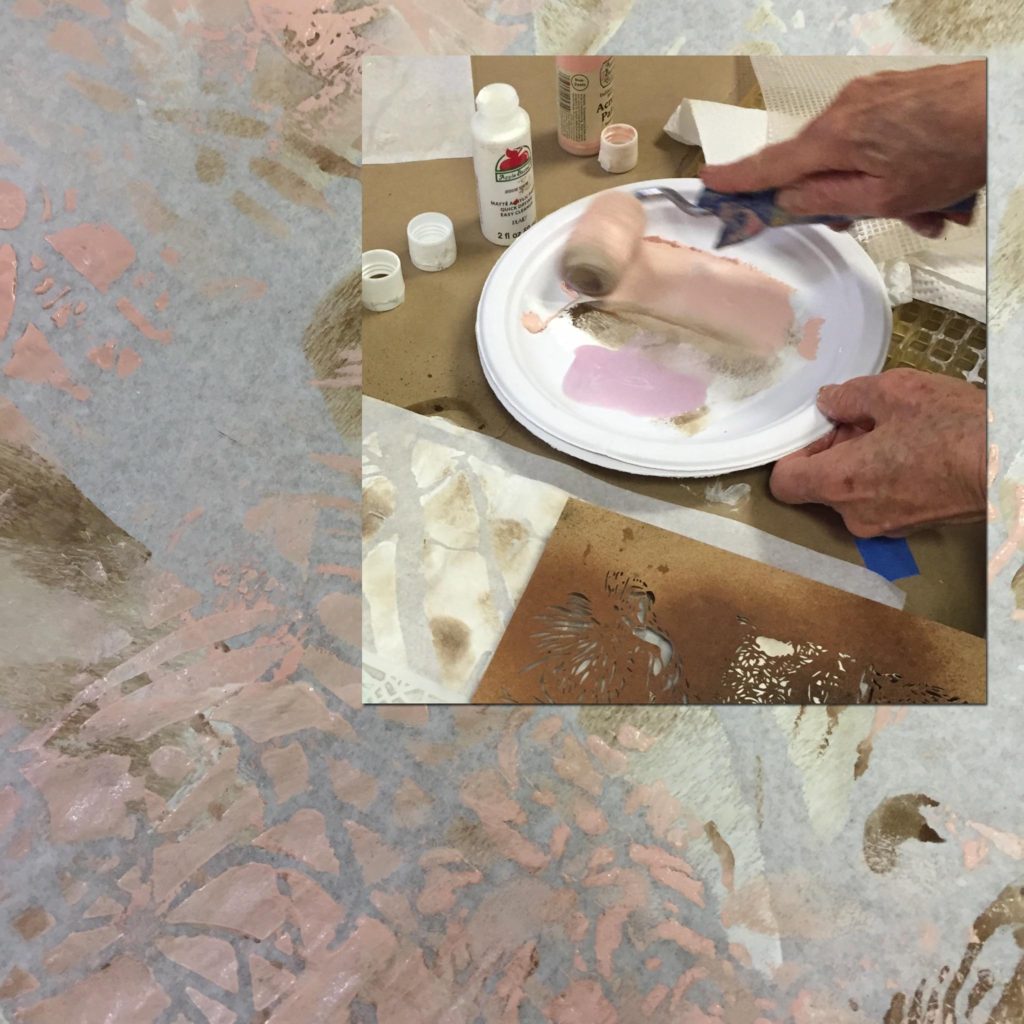
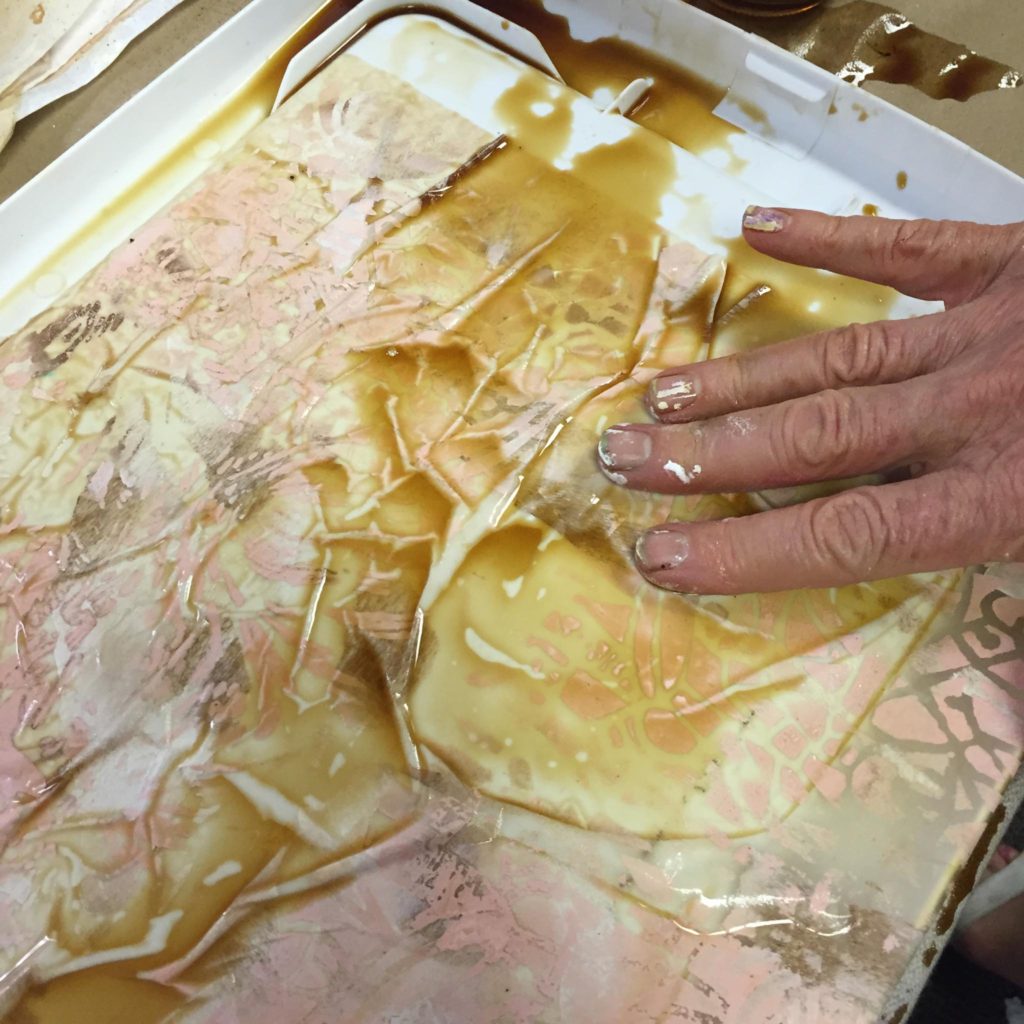
This is one of my favorites. Lesta stenciled white acrylic paint onto deli paper using a small paint roller, and after it was dry, soaked it briefly in strong coffee to “age” it.

blog8

blog7

This is an easy “cheater-ly” way (below) to make multiples of subtle designs for ready-made custom collage paper. We just lay various pale papers on a scanner, scanned them in to the computer, and then printed out 8.5″x11″ composite-designed papers. Lesta tinted the face on the example below with Portfolio oil pastels.

blog2

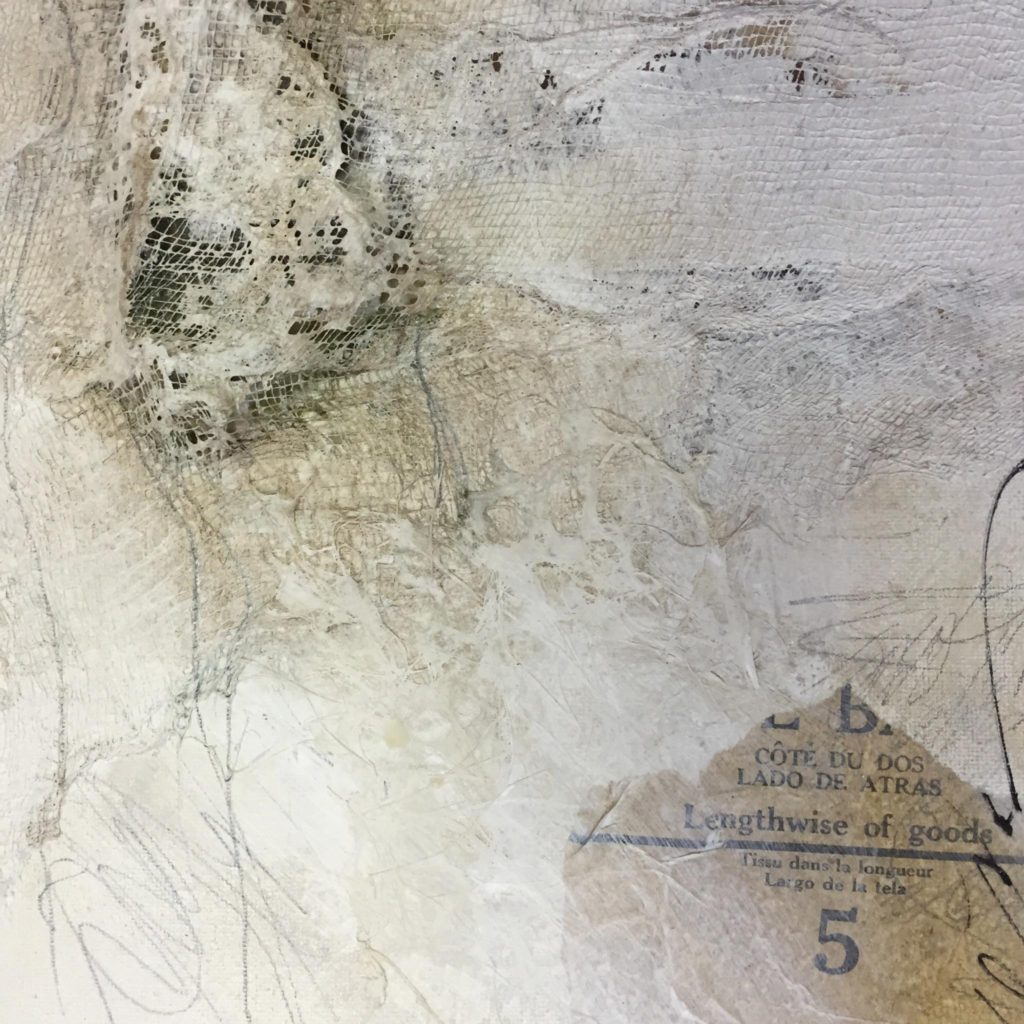
Cheesecloth can be used in so many ways to add interest to collages with pale papers. You can Gesso it and let is dry, then cut it into fragments. You can use Gold Gesso as well. You can also add it as a layer over textures, then paint over it with light tints of acrylic paint.

blog3

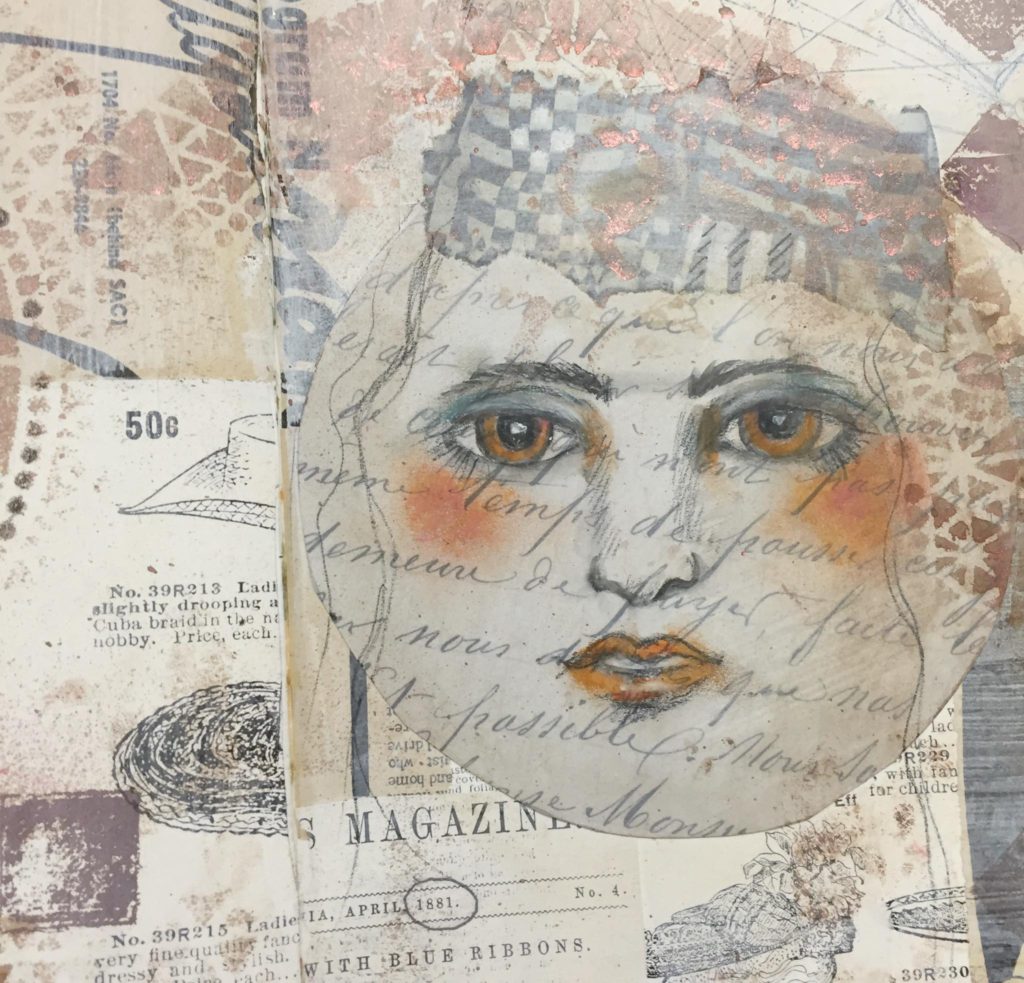
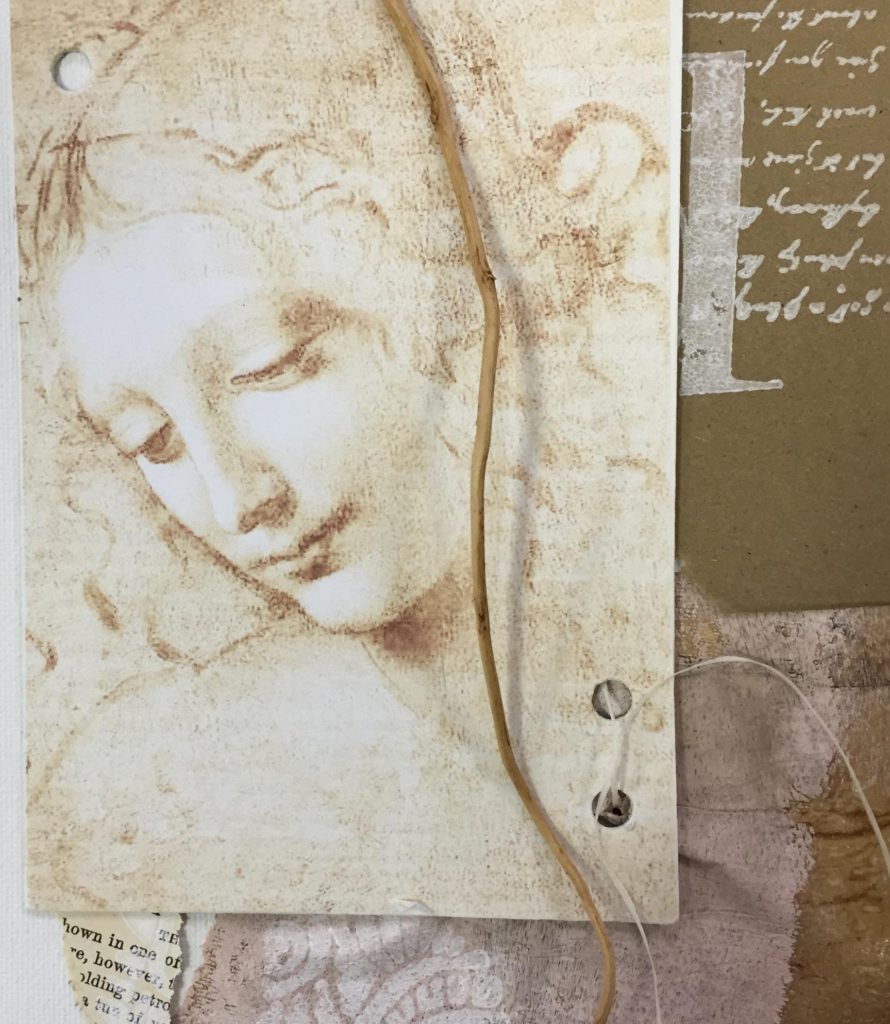
Finally, don’t forget that you can lighten images with your printer using MS Word – here’s a Renaissance face with its contrast decreased, printed on a plain piece of inkjet paper and mounted to matboard. I punched holes and will attach this to a collage as one of the final layers – hmm, and maybe cover it partially with tissue?

blog4

If you want to play around with pale papers, here are some materials you might want to try.

I hope you have a chance to use some of these ideas – you can make just a few pale papers and collage little 3×5″ creations for cards. Or whatever – pale is pretty!

Save

Save

Tissue techniques and encaustic exploration

15We had a full house for yesterday’s Wax and Tissue workshop. Everyone was particularly interested in how to print images on delicate tissue paper. If you do an Internet search, you’ll find all kinds of methods to do this.
Most of the methods involve taping or tacking the tissue on all four sides to a sheet of regular copy paper. I just cut the paper slightly smaller than the copy paper, put two pieces of clear tape at the top, and run that sucker through the printer. So far, so good – I printed about 25 sheets for the workshop and had only two of them crunch up in the printer. Not bad odds considering how thin tissue paper is.

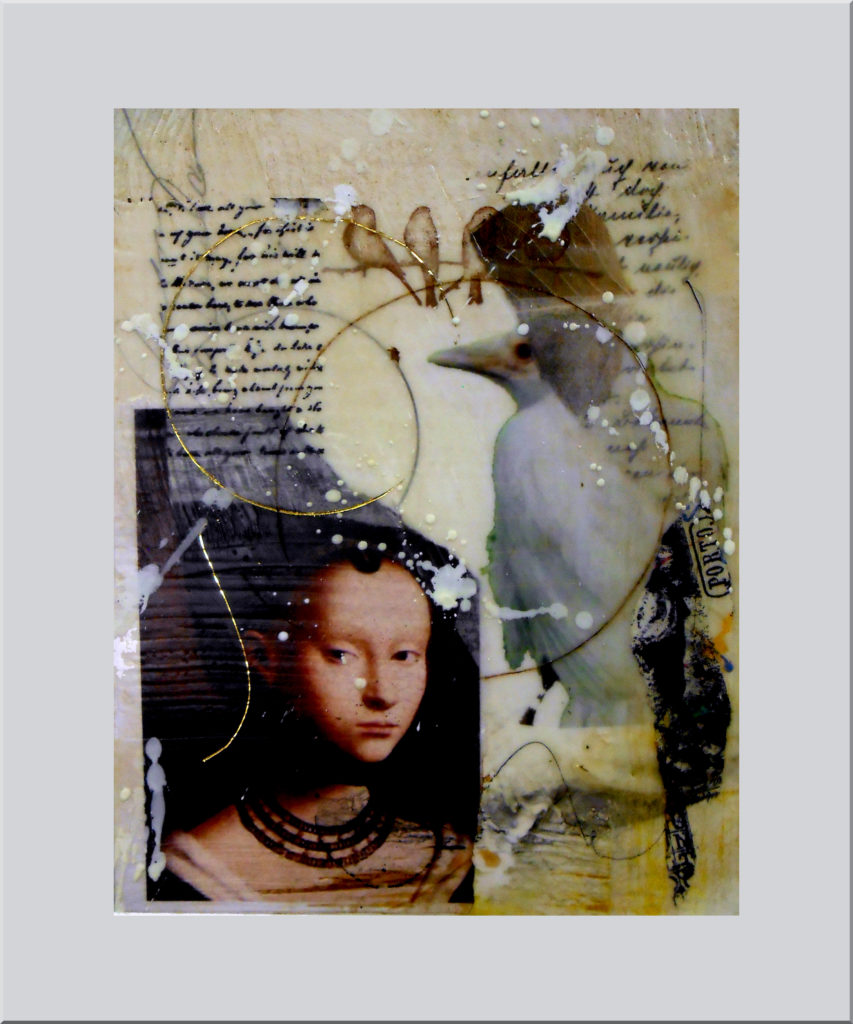
In my example below, you can see how the bird image, printed on tissue paper, becomes translucent when wax is applied over it. It’s always interesting to see how unpredictable the translucent images appear when wax is applied over them. Different kinds of tissue yield different results. I use just plain old wrapping tissue and I iron it first to get the creases out. Works like a charm.

eliz

Lyn Belisle, demonstration piece done during wax and tissue workshop

You can see in my demo piece, above, that the bird image, which was printed on plain white tissue, has a translucency that conceals and reveals elements of the collage above and below it. In the workshop, we started with two opaque “anchor” images and then added layers of wax and tissue to build up our narratives. It was a thoroughly enjoyable experience – everyone was experimenting and developing the best stories as the process evolved. Here’s the video – what do you think? Pretty cool, right?

If you’d like to see what the supply list looks like, you can go to Roses on my Table, a site developed by the fantastic Zinnia from Artful Gathering. Michelle Belto and I have an online class there on Wax and Tissue, but you don’t have to register for the class to get the supply list. You can just click on the Material and Supply List link to see both sources and “ingredients” for this project.

Encaustic Month at Lyn Belisle Studio ended on a high note! And mark your calendar for next Saturday’s Show and Tell from 2-4 pm. Happy Monday!

Save

Save

Face it – this clay don’t need no kiln

faces

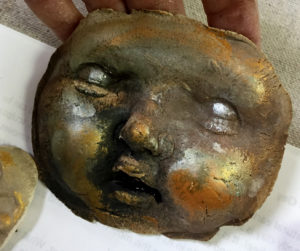
One thing is for sure – the number of faces that came into the workshops on Sunday and Monday were a lot fewer than the number of faces that went out. The energetic and enthusiastic workshoppers must have created hundreds of little air-dry clay people – and not just human faces – there were 3-D molds, insects, cats, and one persona that looked like creepy Chucky (that one became our mascot).

chuckie

The object was to explore ways to use no-fire clay – to make original and iconic clay face shards and other dimensional components without the need of firing in a kiln.

We concentrated on four areas:

  1. How to make reverse press molds with both two-part silicone and with air dry clay
  2. How to use the molds with various kinds of air-dry clay to make a dimensional object
  3. How to finish the surface of the dried clay faces with walnut ink and metallics
  4. How to use those finished components in mixed media projects

The key to success is to embrace the imperfections inherent in the air-dry clay – those cracks and irregularities give the pieces the illusion of heritage and a wabi-sabi touch of imperfect beauty. You can see what I mean from our video – every picture tells a story, every little face has a secret history – hopefully not Chucky’s:


Save

Save

Save

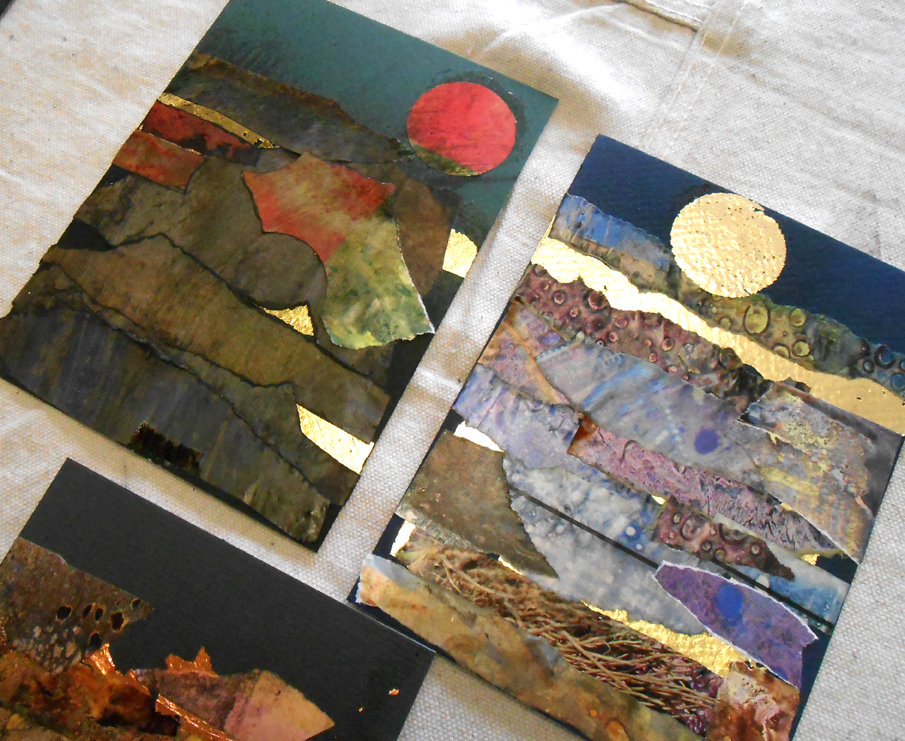
The serendipitous landscape of fantasy

Landscape collages in progress

Landscape collages in progress

Now THIS is one of my all-time favorite workshops – perfect for any level, full of serendipity, with absolutely gorgeous results. Here’s how I described the workshop online:

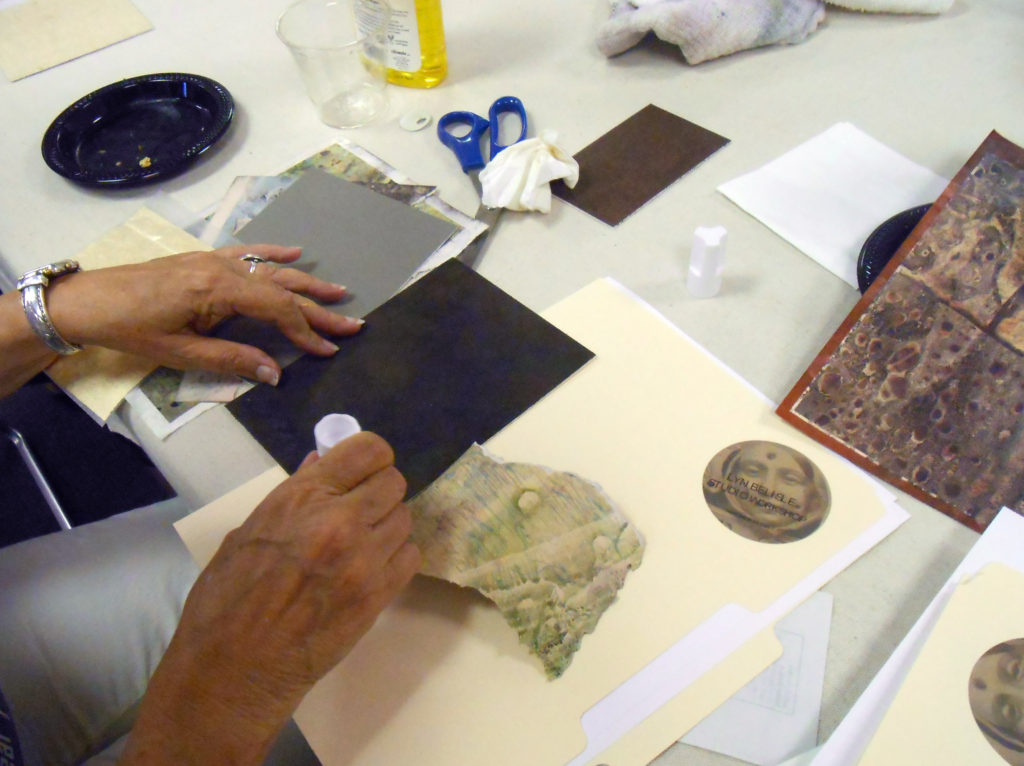
Using the technique of DÉCHIRAGE (day-shur-ah j’) – distressed paper collage –  students will gain a solid grasp on composing little landscapes using a variety of altered papers, natural elements, and mixed media special effects. Lyn will also share art-enhancing framing suggestions that compliment your finished work so that your final display is both appealing and professional looking. Even a total beginner can create a stunning artwork with these fun distressed paper techniques.

Yesterday’s participants in the Altered Paper Landscape Abstractions class rose to the occasion with some stunning work. Some people created several collages, some just one, but all were beautiful and individual. The hardest part was choosing which piece to mat for display.

I loved this comment from Ellen, “I got frustrated because couldn’t make it do what I wanted it to do, but when I let it do what it wanted, I loved it!!” Talk about trusting the creative process – when you let go and accept the beautiful, unpredictable results, magic happens.

Take a look at the video, below, and then I’ll give you the list of materials for this project.

Lyn Belisle’s Altered Paper Landscape Collages: Materials List and Source Notes

For the basic collage:

  • A 5×7” piece of matboard, illustration board, or very heavy card stock
  • Glue sticks
  • Scissors
  • Walnut Ink from
    Tsukineko
  • Altered paper (see below)
  • Metal leaf
  • Stamps and inkpad, your choice
  • Lightweight paper to rub down elements as they are glued
  • Metallic felt tip pens and ultrafine Sharpie (optional)

For the altered paper:

  • Citrasolv orange oil-based cleaning solvent
  • National Geographic magazines or other clay-base ink photos – I encourage you to experiment

4

Sources of materials:

  • Mat board scraps can be purchased or requested for free at most frame and craft shops. Look for ones that are dark colored with white on the back for the most versatile design options
  • Citrasolv is becoming widely available in art stores because of this popular altered paper method. You can usually find it at organic grocery stores such as Whole Foods, as well. Online: Citra Solv is now being sold through Cheap Joes, Jerry’s Artarama, Stampington, and DickBlick
  • Tsukineko Walnut Ink is very versatile for many projects and can be ordered from Imagine Crafts, the Tsukineko distributor:
  • I use Scotch permanent glue sticks, but most good brands will do nicely
  • Metal leaf is available in craft stores or can be ordered here on Amazon.com

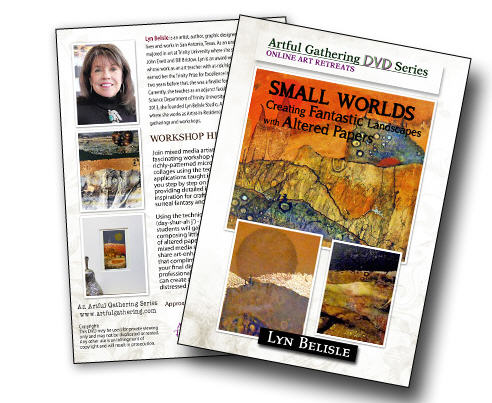
If you want a very in-depth look at this process, including other altered papers such as “ghost paper” with bleach on black construction paper, I have a DVD called Small Worlds, published by Artful Gathering, that offers an intense discussion of how-to-do-it instructions, videos and demos. Happy new week, All!

sw

Waterlogued at our retreat in Fredericksburg

00

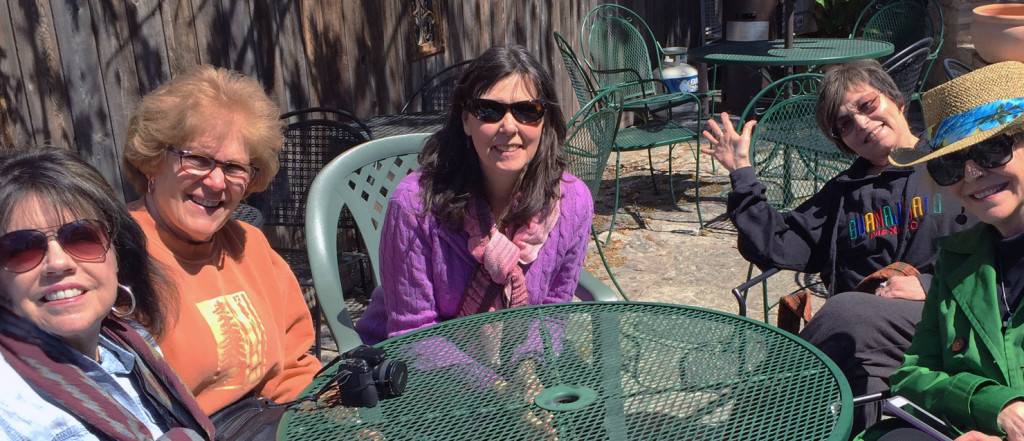
Last year at this very time I was on Whidbey Island at Joanna Powell Colbert’s Gaian Soul Retreat. Four friends from San Antonio went with me, and this weekend the five of us celebrated our one-year anniversary with a reunion trip to Fredericksburg. We stayed at Sidney Burnette’s charming B&B called Butterfly Cottage.

Butterfly Cottage owned by the very lucky Sidney Burnette

We shopped and ate and reminisced. And shopped. And ate! I collected photos of the wonderful colors and textures in this great Hill Country town. Special thanks to Sidney for sharing her country home with us!

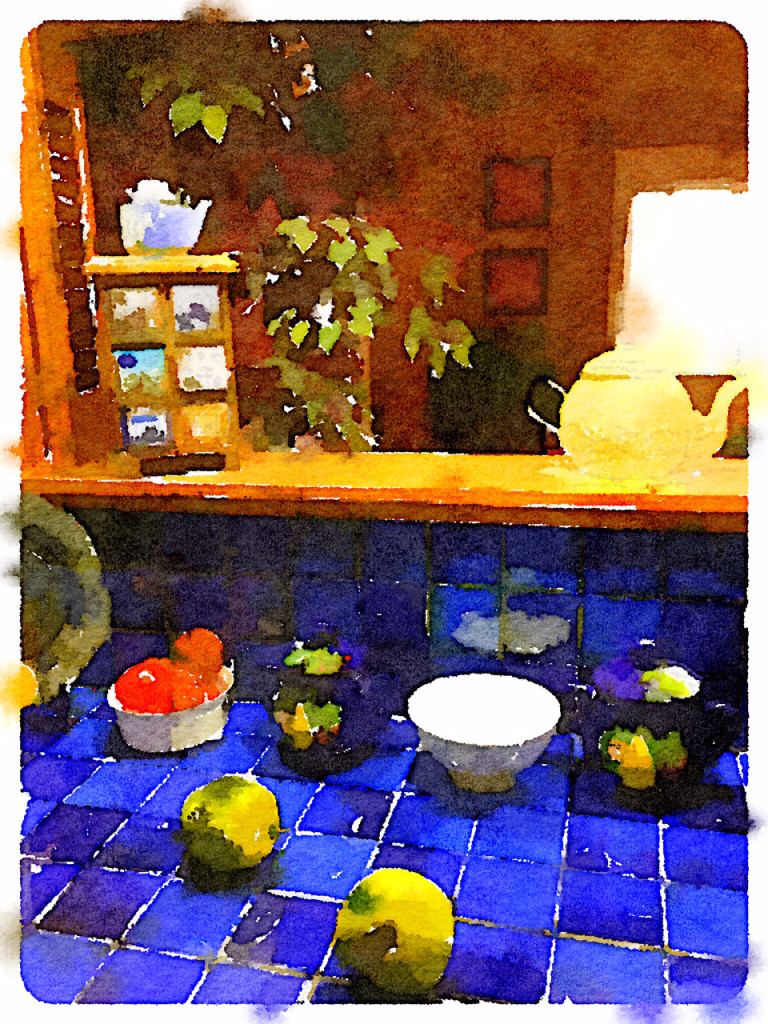
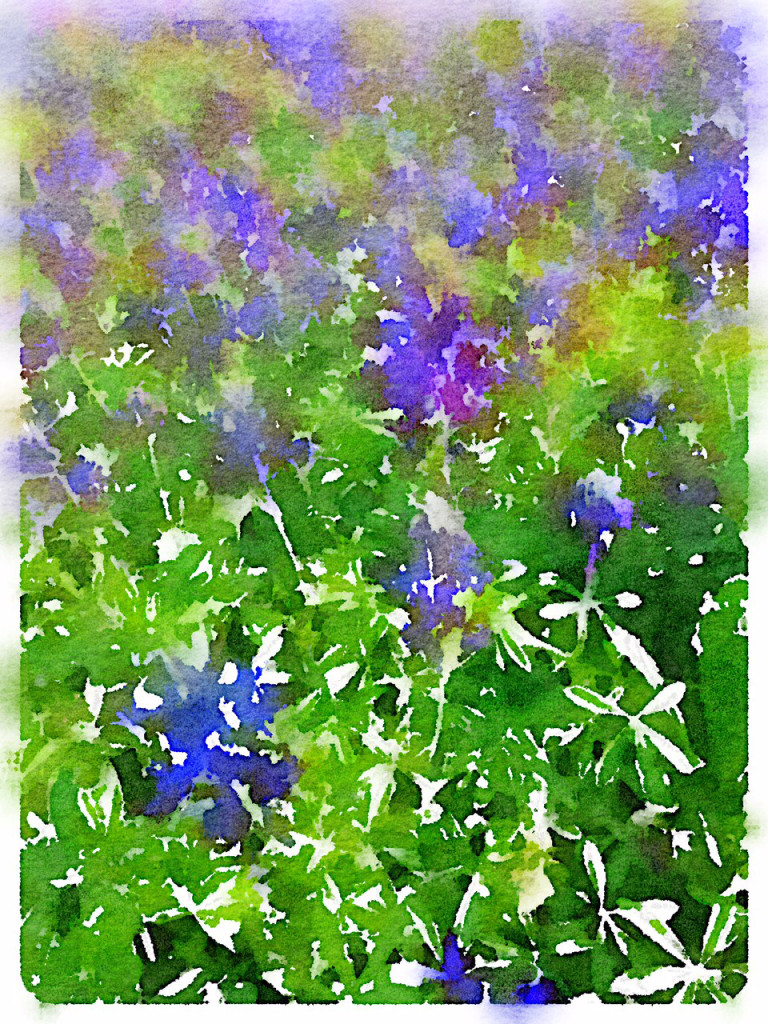
One of the things we played with at the cottage was the artful iPad app called Waterlogue. I’ve had it for quite a while but the others hadn’t seen it – it transforms every photo into a watercolor masterpiece. We went crazy taking photos and transforming everything into watercolor paintings – cats, rocks, each other – nothing was safe. It was an unexpected and fun diversion.

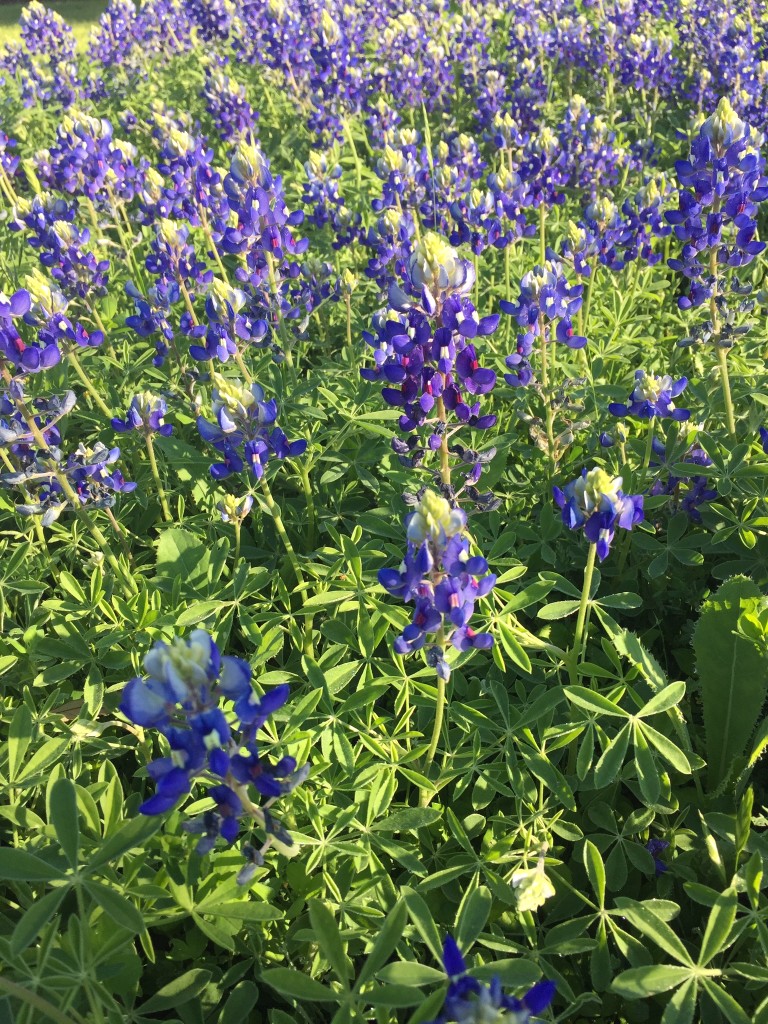
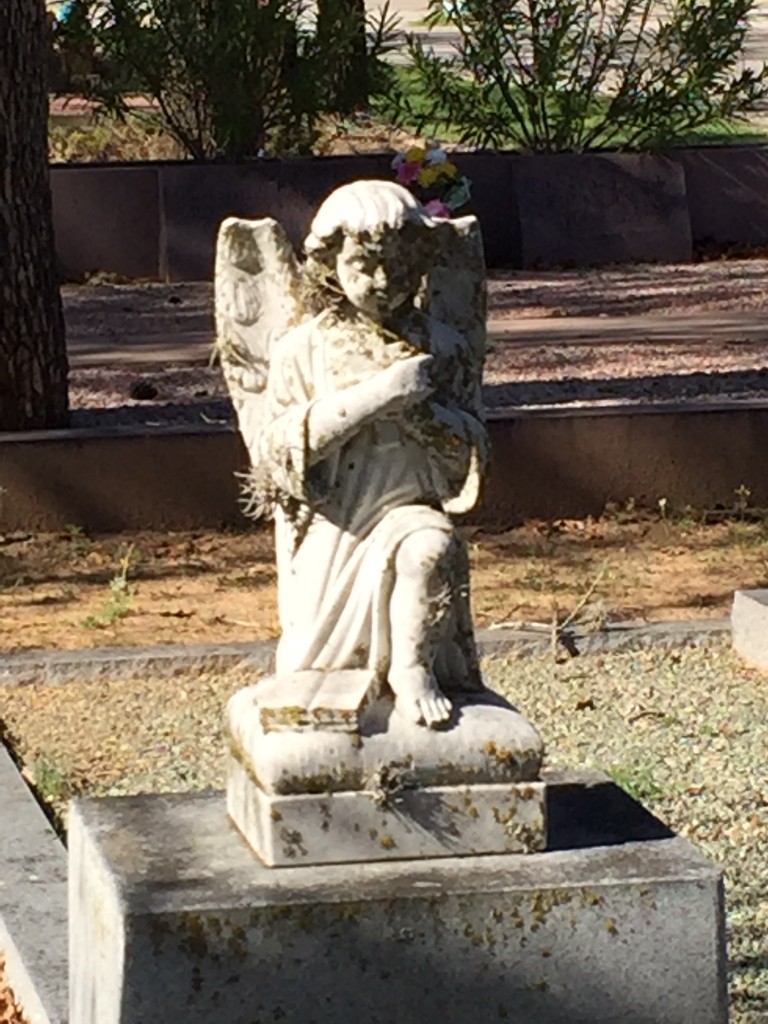
Below are some before and after “Waterlogued” examples from photos I took on Saturday. Truly, the watercolor version take exactly one second and one click to create. I thought you might want to know about this fun app to try it for yourself. It works on iPhones and iPads and costs a mere $2.99 (cheaper than four years of art school). It’s an easy introduction to altered digital images. Here’s more info.

0147cf96f8d4c4c9344c2c2fed658ae694dabad7fe

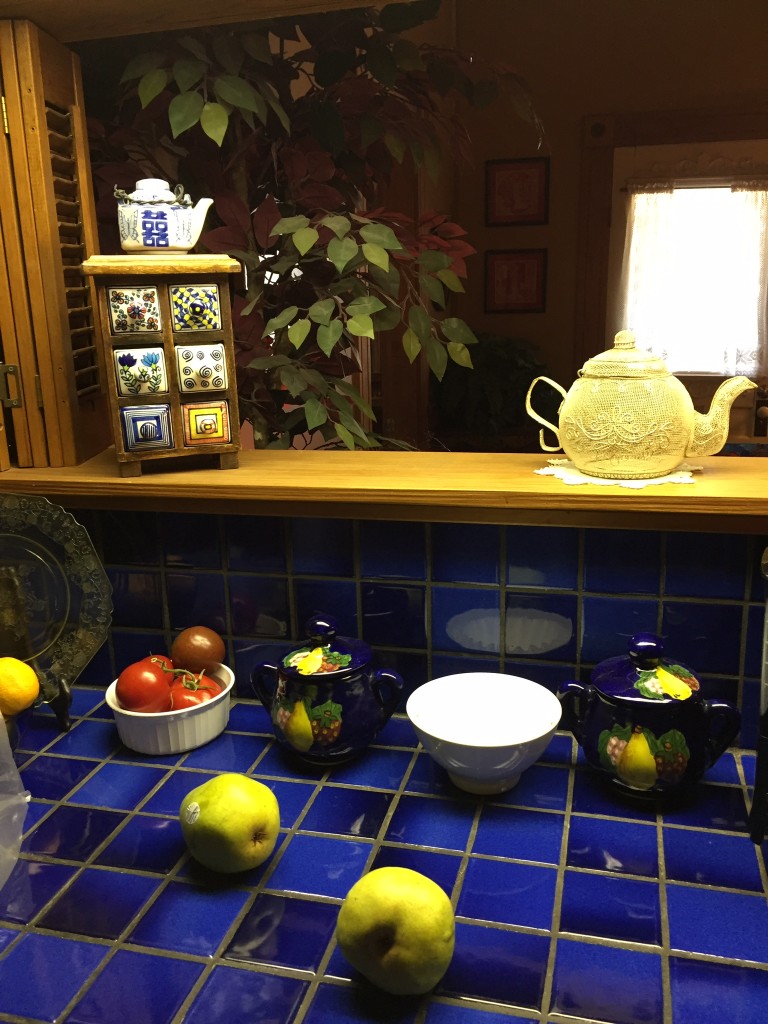
The kitchen at the cottage


Waterlogue version

Waterlogue version

Bluebonnets on Willow City Loop

Bluebonnets on Willow City Loop

Waterlogued version

Waterlogued version

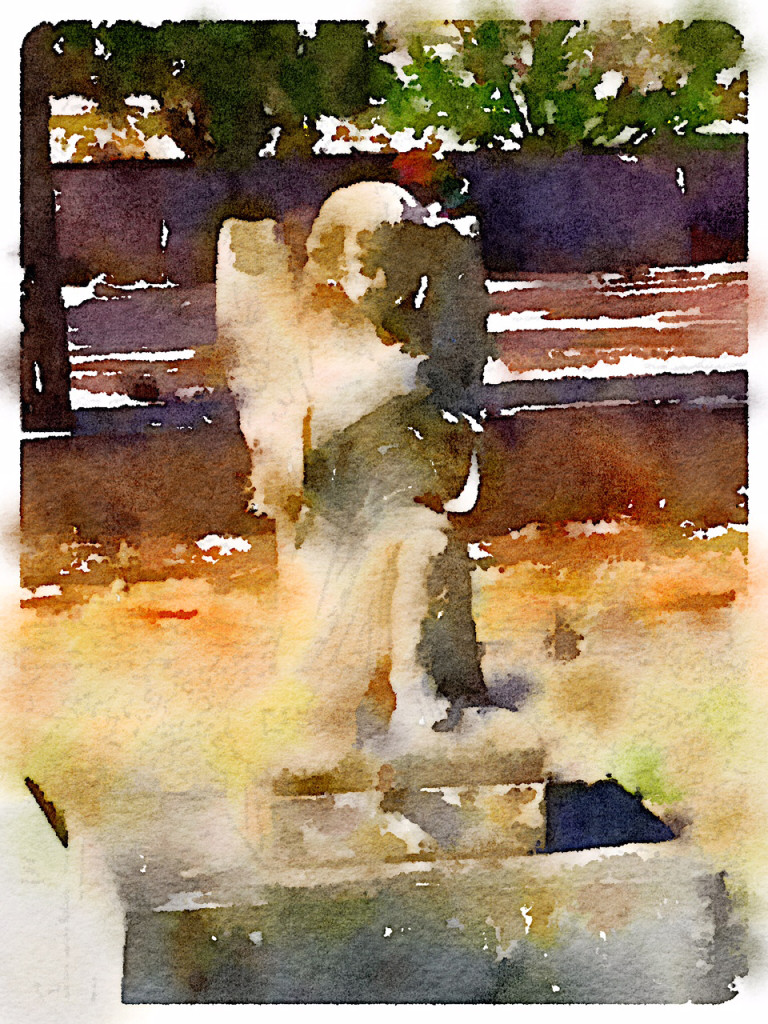
Cemetery angel

Cemetery angel

Waterlogued version

Waterlogued version

Indigo Blue, Take Two

33

The magic of indigo never gets old, even to novice fiber artists like me. Sunday’s workshop was flat-out fun – many thanks go to Mary Ann Johnson, whose expertise in shibori and dyeing greatly enhanced our experience. The weather was perfect – our fabric dried quickly in the breeze and the sunshine on our makeshift clothesline.

Here are the basics of how we did it:
The fabric is tied, clamped, rusted stitched, crumpled – any or all. Then it is submerged slowly into the indigo vat for about a minute. The bound fabric is gently removed from the dye bath, avoiding  splashing or dripping into the vat, as this introduces oxygen back into the dye. The fabric looks green when you first take it out of the bucket. This is when the magic happens (or to be more precise, chemistry). Indigo develops its color when it is exposed to oxygen. Once the fabric is in contact with the air, it starts changing color and turns from green to blue. You can see some of this happening in the video, below.

If you are new to this process, I highly recommend that you start with the Jacquard Indigo Kit. It has everything you need to make true indigo plant-based dye. The video below, from Jacquard, shows how to do it.

Things to watch out for – holes in rubber gloves!  The biggest danger, though, is addiction to indigo dyeing, particularly when you realize it can also dye paper and yarn.

I can’t wait to cover some journals with my indigo fabric, and perhaps combine indigo-dyed paper with encaustic. It’s true blue indigo love!